
Last updated November 21, 2026
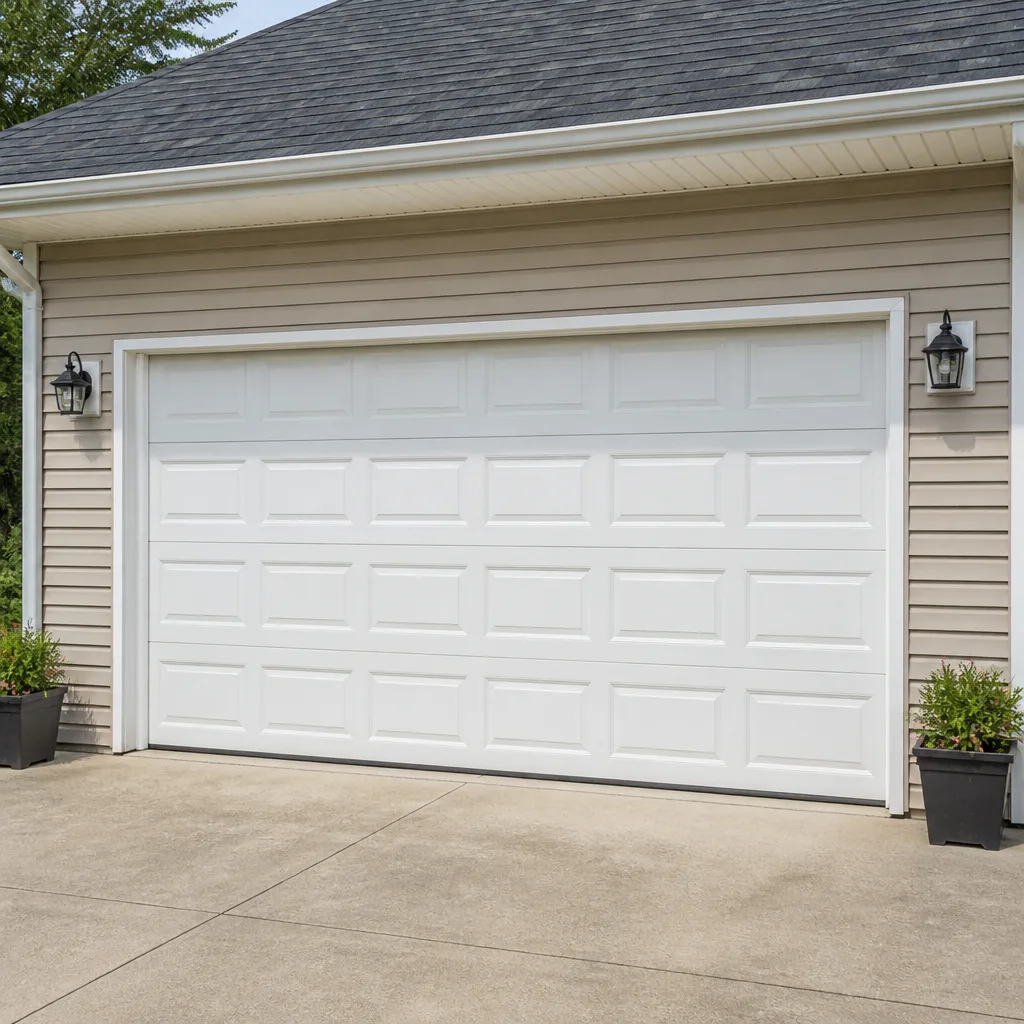 Raised-panel steel
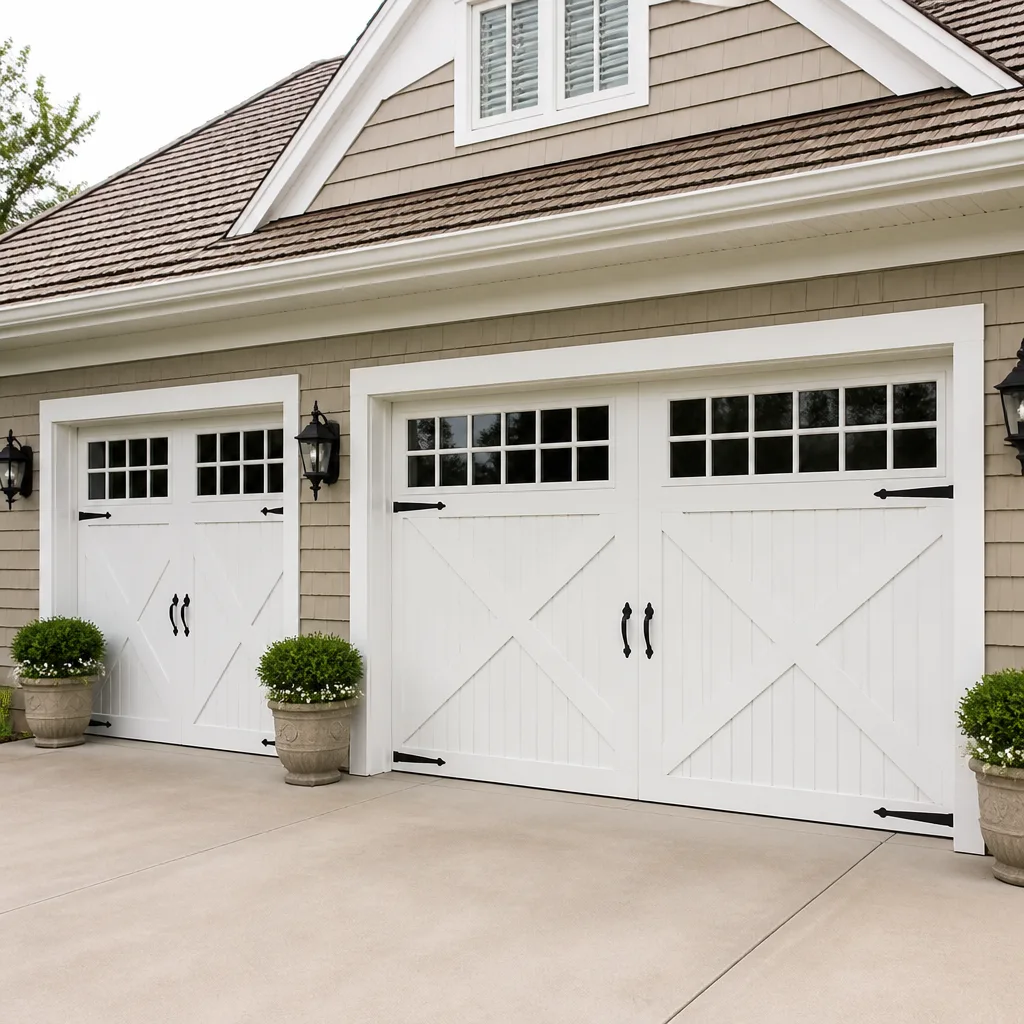 Carriage house
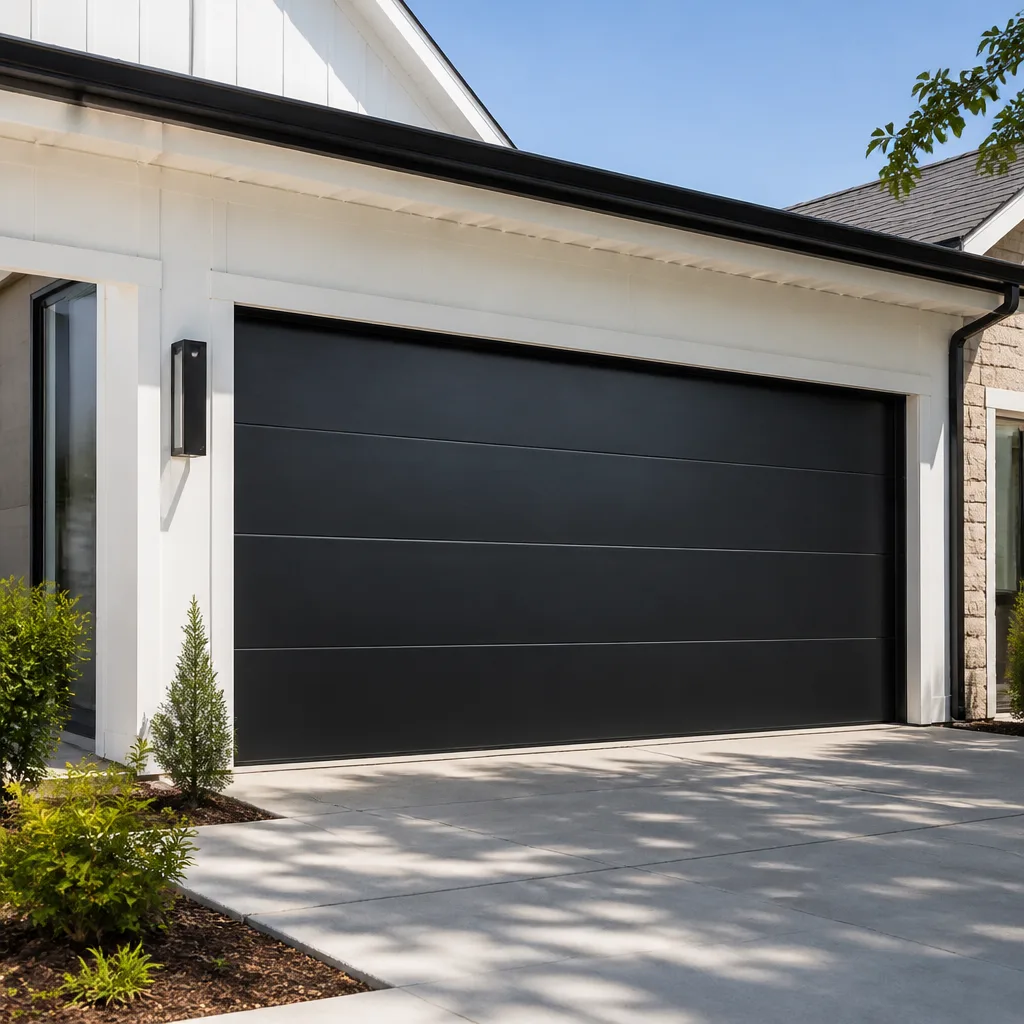 Modern flush
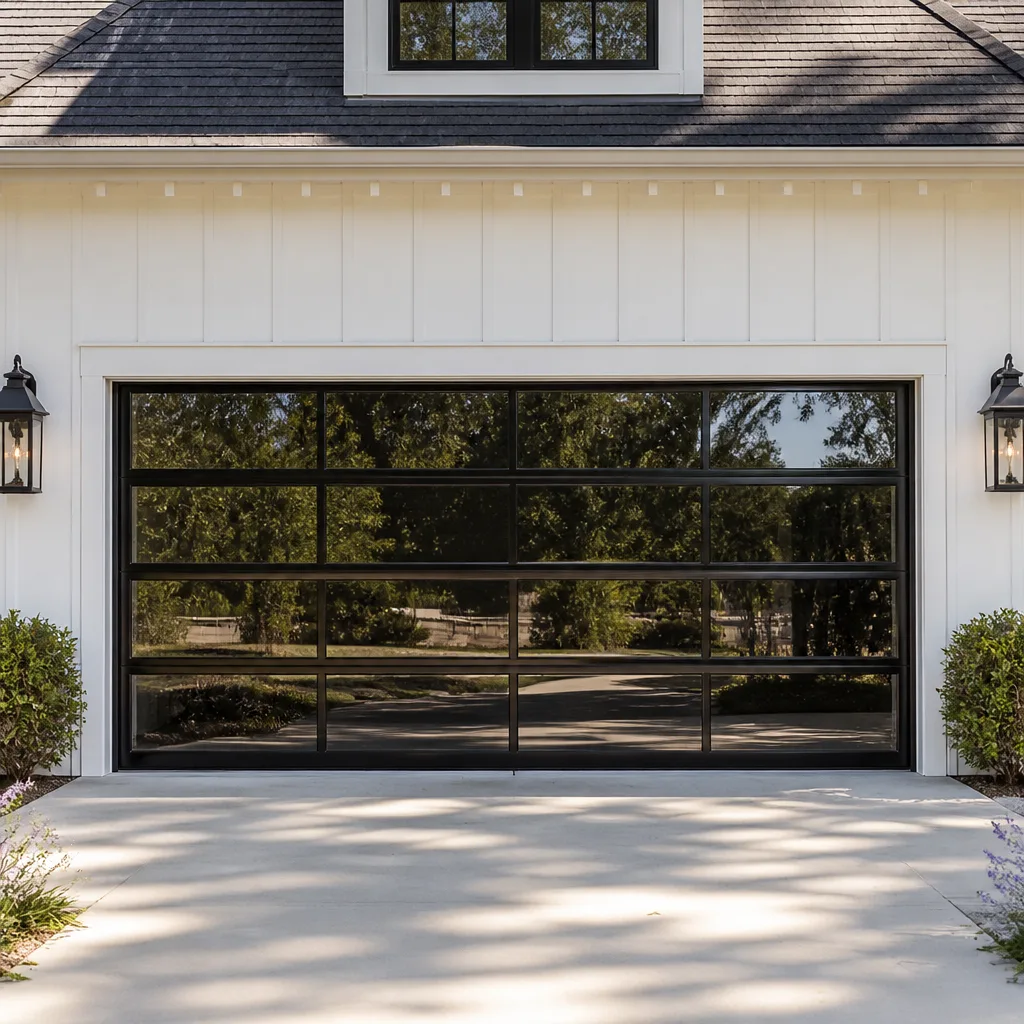 Full-view glass
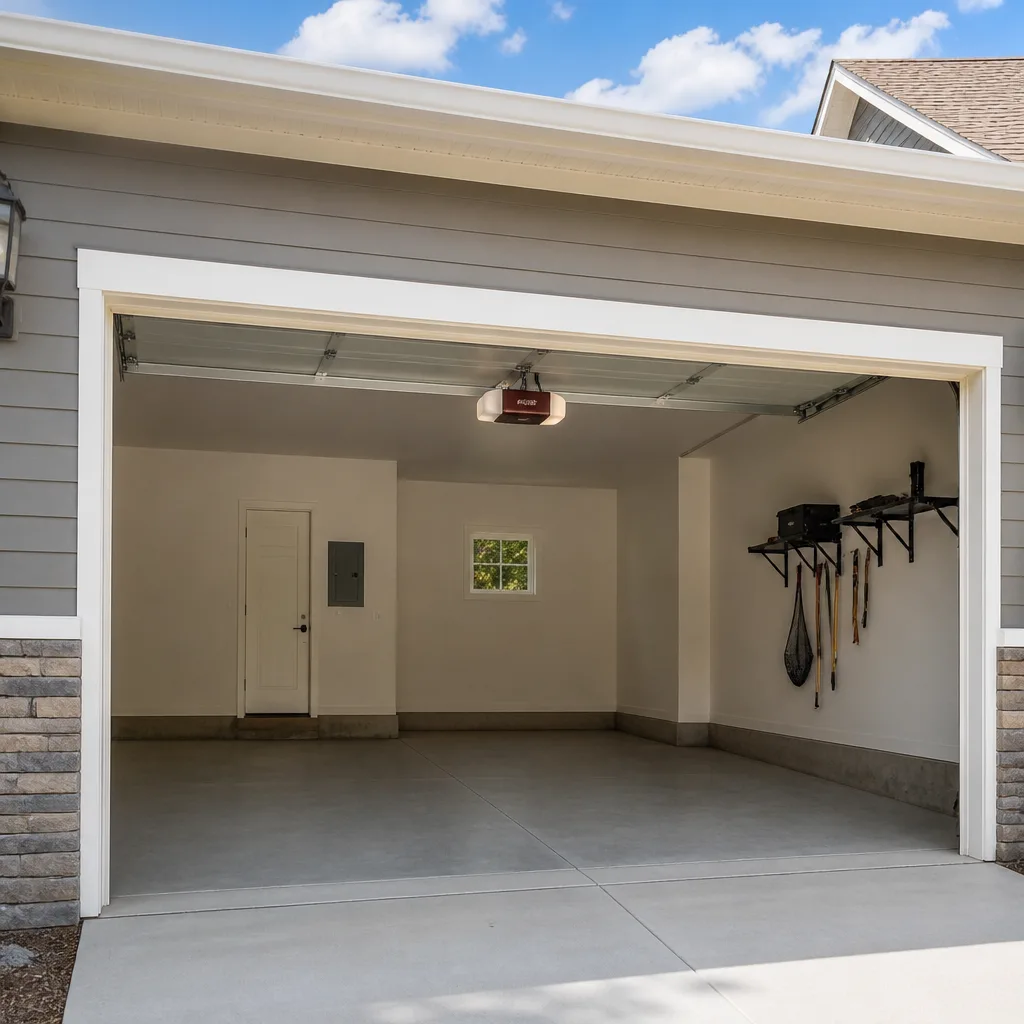 LiftMaster openers
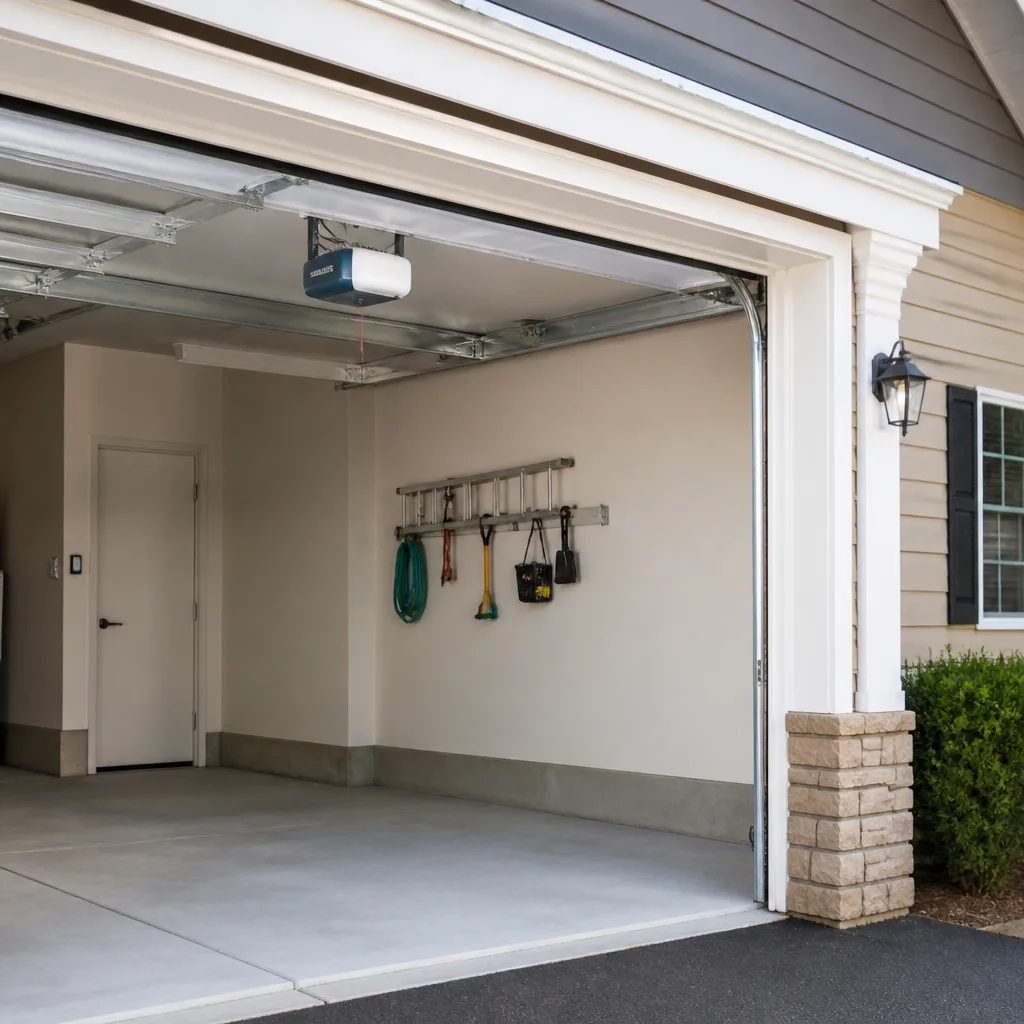 Chamberlain openers
Full 25-point door and opener safety check with every visit - springs, cables, rollers, tracks, and your LiftMaster or Chamberlain opener included
You get a price before we start. It does not change when the pro arrives.
Get your free estimateGarage Door Permits, Codes & Inspections in Woodside, NY: What You Need to Know
Most Woodside homeowners assume a garage door replacement is a like-for-like swap that needs no paperwork. That’s the expensive misconception. Under the NYC Building Code, a permit requirement can trigger the moment you change the size of the opening, add an opener where none existed, or alter the structural header above the door. “I didn’t know” doesn’t stop a violation from attaching to your deed, and it doesn’t satisfy a title search at closing. This guide walks through exactly what needs a permit, how to file or confirm one for a Queens property, what an inspector actually looks at, and how an unpermitted door surfaces during a sale. It’s written for Woodside properties specifically, from a team that handles doors here every day.
Quick Answer
A garage door replacement in Woodside, NY generally requires a NYC Department of Buildings permit when you enlarge or change the opening, install a new opener or electrical circuit where none was permitted, or alter the structural header. A straight like-for-like door swap with no structural or electrical change is usually treated as maintenance. When in doubt, ask the NYC DOB or your Queens filing professional before the truck shows up, because a permit filed after the fact is far more expensive than one filed before.
Styles & brands we work with
- Raised-panel steel
- Carriage house
- Modern flush
- Full-view glass
- LiftMaster openers
- Chamberlain openers
Table of Contents
- Does a Garage Door Replacement Need a Permit in NYC?
- How Do You File or Confirm a Permit Through DOB NOW in Queens?
- What Does a Garage Door Inspection Actually Check?
- Fire-Rated Doors for Attached Garages in NYC
- How an Unpermitted Door Surfaces in a Title Search
- What It Costs to Cure an Unpermitted Job Retroactively
- Woodside Property Details That Affect Your Filing
- When to Call a Professional
Does a Garage Door Replacement Need a Permit in NYC?
Replacing a garage door with an identical-size door, same track positions, same header, same opener type is usually maintenance. Anything that changes the physical envelope of the opening or the structure around it is typically a permit-level job under the NYC Building Code. The specifics matter, because a contractor who says “we don’t pull permits for doors” may be correct for a like-for-like swap and wrong for what you actually asked for.
Work that commonly triggers a permit in Woodside include:
- Enlarging or reducing the opening. A wider or taller garage door changes the header load path, and structural changes almost always require a filing.
- Installing a new opener or a new electrical circuit. Adding a motor where there was none, or running new power to the ceiling, is electrical work that needs to be on a permit.
- Modifying the header or framing. If the door frame, jamb, or header needs reinforcement or replacement, the inspector wants to see it on paper.
- Changing door type in a way that affects fire separation. An attached garage with a habitable room above or beside it has specific fire-rating requirements.
- Converting a garage to living space, or the reverse.
Work that’s normally routine maintenance:
- Replacing a broken spring, cable, roller, hinge, or sensor.
- Swapping a door of the exact same size and type, without structural or electrical changes.
- Replacing a failed opener with one of the same type and mount (opener replacement is a repair, not a structural change).
- Adjusting travel limits, safety sensors, and track alignment.
The line blurs the moment you go beyond like-for-like. A Craftsman or LiftMaster opener swap keeps you in repair territory. A brand-new opener install on a garage that never had one pushes you into a filing. If you’re unsure which category your job falls into, the safest move is a call to the DOB’s Queens borough office or your filing professional before the door is ordered. For non-structural garage work we handle every day, see Garage Door Repair Woodside. For anything that touches the opening or the structure, get the paperwork sorted first.
How Do You File or Confirm a Permit Through DOB NOW in Queens?
NYC filings go through DOB NOW: Build, the department’s online portal. Queens is handled as a borough within the same system, so there’s no separate Queens-only portal. A licensed filing representative or a registered design professional typically submits the application, uploads plans and supporting documents, and schedules inspections through the same interface. You can check the status of a permit filed for your property from the public DOB NOW search using the property’s address or BIN, whether you or your contractor filed it.
Here’s the typical sequence for a Woodside garage door job that needs a permit:
- Confirm the scope requires a filing. Your contractor or design professional reviews the door specs, opening, header, and any electrical work, and confirms whether a permit is needed.
- Prepare the documents. Door manufacturer specs, cut sheets, structural details if the header is involved, and electrical plans if an opener or new circuit is being added.
- File through DOB NOW: Build. The filing rep submits the application and pays the fees.
- Wait for plan review or approval. Simple filings clear faster; anything touching structure takes longer and may require additional documentation.
- Perform the work after approval. Doing the install before the permit is issued is what creates the violation that shows up later.
- Schedule the inspection. The permit itself will tell you when the inspection is required (typically after the door and any electrical are complete).
- Close out the permit. After a successful inspection, the permit is signed off and the job is legally closed in DOB records.
If you’re buying a Woodside home and the seller says “the door was replaced a few years ago,” pull the DOB NOW record for the address before you close. If no permit exists and one was required, you’re inheriting the problem. This is one of the reasons we tell homeowners to keep the filing paperwork with the door manual, and it’s why any reputable garage door repair conversation should include a quick “does this need a permit?” check on anything beyond a repair.
What Does a Garage Door Inspection Actually Check?
An inspector reviewing a permitted garage door job isn’t there to test your opener’s range. They’re checking that the work matches what was filed and that the door meets the code requirements for its location. What that looks like on a Woodside job:
- Door matches the filed specs. Model, size, and type as shown on the approved plans.
- Opening dimensions match the filing. No surprises on header height or width.
- Header and framing. If structure was part of the scope, the inspector wants to see it before the drywall or finish goes on.
- Fire separation. If the garage is attached to the house, the door assembly satisfies the required rating.
- Electrical rough-in (if applicable). New opener circuit is properly run, boxed, and inspected.
- Final functional check. Door operates, safety reverse works, sensors respond.
Two things trip people up. First, sequencing: an inspector will fail a job if the drywall is up over framing they were supposed to see. Second, the door on site has to be the door on the paperwork; substituting a different model “because it was in stock” can fail the inspection. Raynor and Chamberlain products, for example, publish cut sheets that make it easy to demonstrate compliance, but only if the exact model on the permit is the model on site.
Our technicians have up to 9 years of experience, and the recurring lesson is that most inspection problems come from ordering the door before the filing is confirmed. The fix is boring but effective: file first, order second, install third, inspect fourth. If inspection day reveals something wrong with the door itself (operator, sensors, alignment), we handle that with garage door opener repair and a service call before the reinspection.
Fire-Rated Doors for Attached Garages in NYC
If your Woodside garage shares a wall with the house, an attic, or a habitable room above, NYC requires fire separation between the garage and that space. That’s not a garage-door rule specifically; it’s a building-envelope rule that the garage door assembly is part of. The intent: buy occupants time to get out if a fire starts in the garage.
In practice, for a garage door job this means:
- Attached garages typically require the door assembly (including the wall around it) to maintain the required fire separation. The exact rating depends on the assembly and the code edition the job is filed under.
- Standard steel and insulated steel doors can meet the requirement when installed with the correct jamb, header, and fire-rated sealant at the perimeter. The door itself is only part of the system.
- Wood doors and specialty styles may or may not qualify. What matters is the listing and the way it’s installed.
- Detached garages are a different story. A freestanding garage at the back of a Woodside lot doesn’t have the same separation requirement as one touching the house. Many Woodside properties have rear-yard or side-yard garages; confirm which yours is before ordering a fire-rated door you don’t need, or skipping one you do.
Manufacturers like Clopay and Amarr publish fire-rated listings for specific models and assemblies. The door on the permit has to be one of them, installed as listed. We help homeowners work through door selection on garage door installation all the time, and the fire-rating question is the one that most often changes which door makes sense. If you’re not sure whether your garage is attached for code purposes (a common confusion on Woodside lots where the garage touches a breezeway or a rear extension), ask the DOB or your filing professional before choosing the door.
How an Unpermitted Door Surfaces in a Title Search
A title search pulls permits and violations attached to the property’s DOB record. When a Woodside home goes on the market, the buyer’s attorney and title company look at that record. An unpermitted door replacement that should have been filed but wasn’t will sit in the file as open work with no inspection sign-off, and the buyer’s side of the transaction will flag it.
What happens next:
- Buyer’s attorney reviews DOB records. Any open permits, unclosed work, or violations come up here.
- Question raised before closing. Typically: “Is this door permitted, and if not, who closes it?”
- Seller has to cure it or negotiate a credit. Filing retroactively at this stage is more expensive than filing correctly upfront.
- If the seller can’t cure it in time, the buyer may walk or renegotiate the price. Deals get delayed over exactly this kind of item; a small unpermitted door can hold up a larger transaction.
If you’re the buyer, always ask for the DOB record before signing. If you’re the seller, get ahead of it: check the DOB NOW record yourself and find out whether the door on the property is one that needed a permit and didn’t get one. A violation attached to the deed travels with the property, so it becomes your problem regardless of who replaced the door. If you’re not sure whether a past job was permitted, the honest answer is to check the record rather than rely on memory.
Lenders vary on how much a garage door paperwork issue impacts a mortgage, but they don’t ignore it. Don’t assume “it’s just a door” gets a pass. It often doesn’t.
What It Costs to Cure an Unpermitted Job Retroactively
Retroactive filing does not have a universal published price; it depends on the scope of the work, whether structure or electrical was involved, and whether a violation was already issued. The cost is consistently higher than a permit pulled before the work because you’re paying for a filing rep, possible violation penalties from the DOB, and inspection time, plus the door-to-spec risk if the unpermitted door doesn’t meet current code and has to be replaced.
The main cost buckets when curing an unpermitted garage door job in Woodside:
- Filing representative fees. Higher for retroactive filings and larger scopes; less for a simple door swap that should have been permitted in the first place.
- DOB violation penalties. If a violation was issued (a stop-work order, an ECB violation, or a notice), those penalties can compound the total.
- Inspections that may require opening the wall. If the inspector needs to see framing that’s currently covered, you’re paying to open and close the finish.
- Door replacement if the unpermitted door doesn’t meet code. This is the biggest risk. If a fire-rated door is required and a non-rated one was installed, the door on the property has to come out.
- Re-inspection fees if the work isn’t right the first time.
In our experience, the estimate that matters isn’t “permit fee vs. no permit fee” – it’s “permit fee vs. permit fee plus violation penalty plus possible door replacement.” That second number is the one attached to a future closing. This is why we ask the permit question on every Woodside door job before we quote it. The written estimate you receive for the door covers the door and the install; the permit filing is a separate scope item and should be quoted separately by the filing representative.
Woodside Property Details That Affect Your Filing
Woodside has a housing mix that matters for these filings. Detached and semi-detached homes are common, and many have rear-yard or side-yard garages accessed from a service drive. Others have attached garages integrated into the original structure. Which one you have changes what’s required when the door is replaced.
Specifics that come up in Woodside:
- Rear-yard garages. If yours sits at the back of the lot behind the house, it’s often detached, and the fire-separation rules differ from an attached garage. Confirm before ordering a fire-rated door.
- Attached garages integrated into the original house. Common in older Woodside housing stock. These almost always require fire separation between the garage and the house.
- Original structural openings. On older homes, the header may have been modified at some point to fit a wider door. If you’re replacing that door, the filing needs to reflect what’s actually there, not what the original plans say.
- Overhead electrical work in garages with no existing opener. Pulling new power is a scope item that pushes a door job into a permit.
- Shared driveways and easements. Not a permit issue on its own, but it affects where the door can sit and swing, which affects the filing.
Woodside is a working neighborhood and most garage door replacements here happen on doors that are used every day. That’s the reason to get it right on paper, not just on the hinge. A door that works and isn’t permitted is still a door that isn’t permitted. Full new-door projects and repair work both start from the same conversation: what’s on the door now, what you want on it, and whether the change requires a filing. If you’re ready to talk through it, call us and we’ll walk through the scope with you.
Common Mistakes to Avoid
- Assuming every door replacement is like-for-like. It isn’t if the size, header, or opener changes. That’s the mistake that most often creates the DOB problem later.
- Ordering the door before the permit is filed. A door on site that doesn’t match the filing can be a failed inspection, and in a fire-rating case, a door that has to be replaced.
- Skipping the DOB record check when buying a Woodside home. The permit history is public. Two minutes on DOB NOW prevents a closing headache.
- Using a handyman for a spring repair or an opener swap on a job that also happens to need a permit. Spring repair and opener work don’t need permits on their own, but if the same job touches the opening or the header, the permit scope matters. Use the right trade for the dangerous mechanical work.
- Letting drywall cover structural framing before inspection. Framing the inspector was supposed to see gets buried, and the permit can’t be closed without opening it back up.
- Assuming the door on site can be swapped for an in-stock model. The door on the property has to be the door on the approval, especially for fire-rated products.
- Selling a house without checking garage door permit status. An open item on the DOB record is one of the first things a buyer’s attorney will flag. Cure it before listing, not mid-transaction.
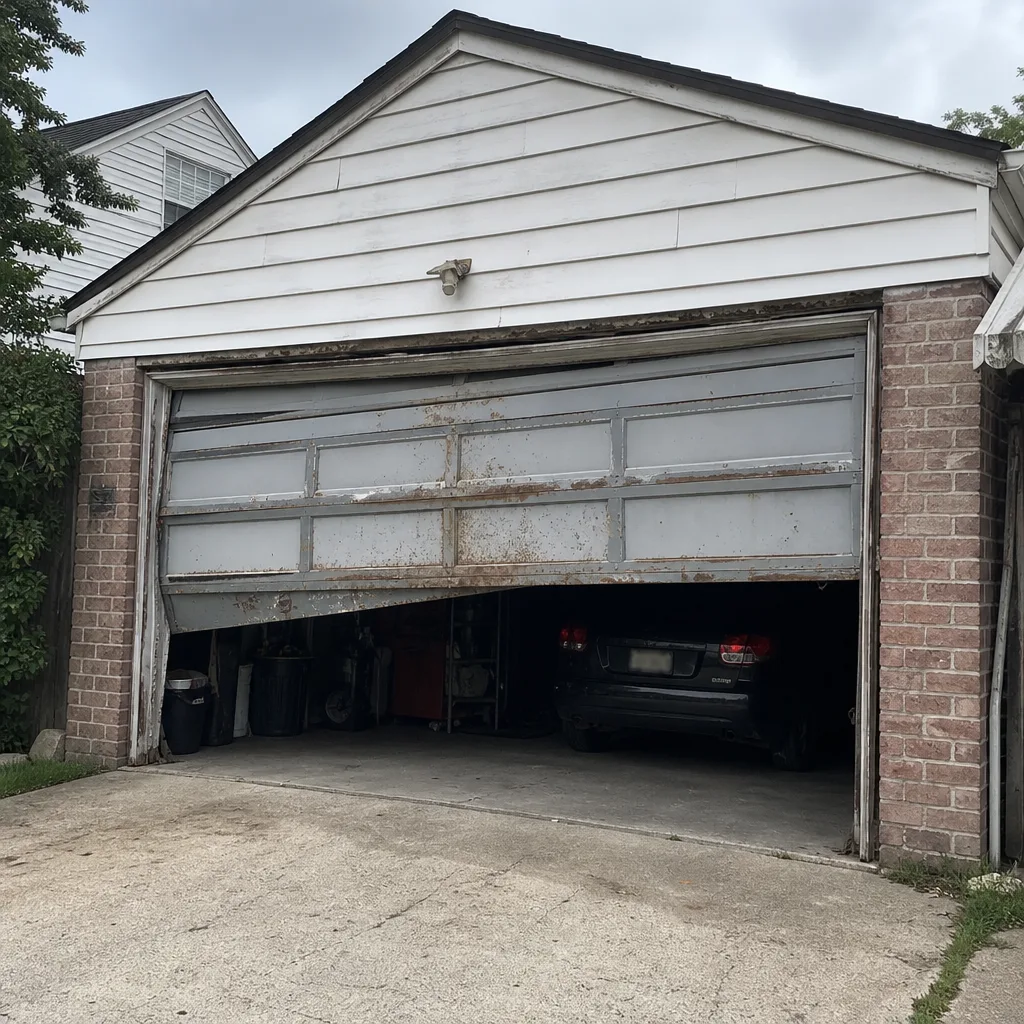
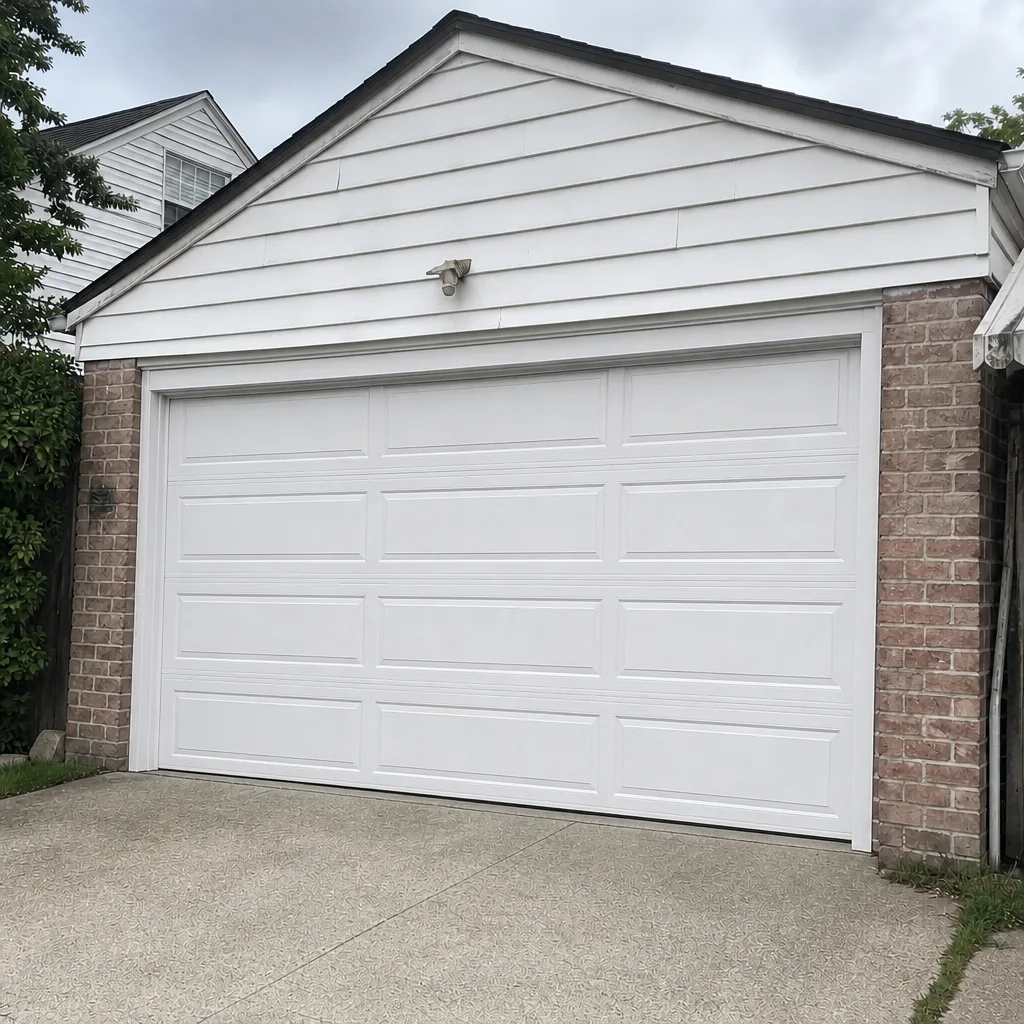
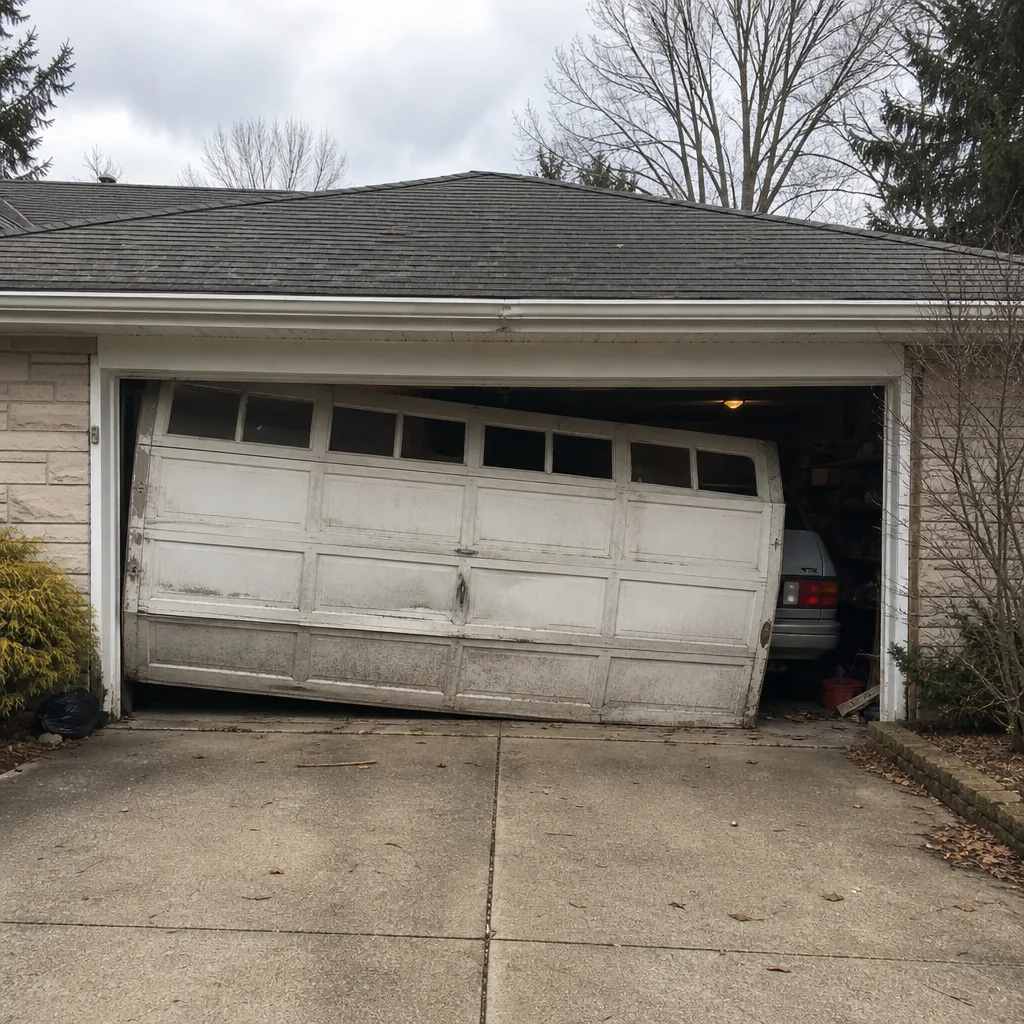
See the difference
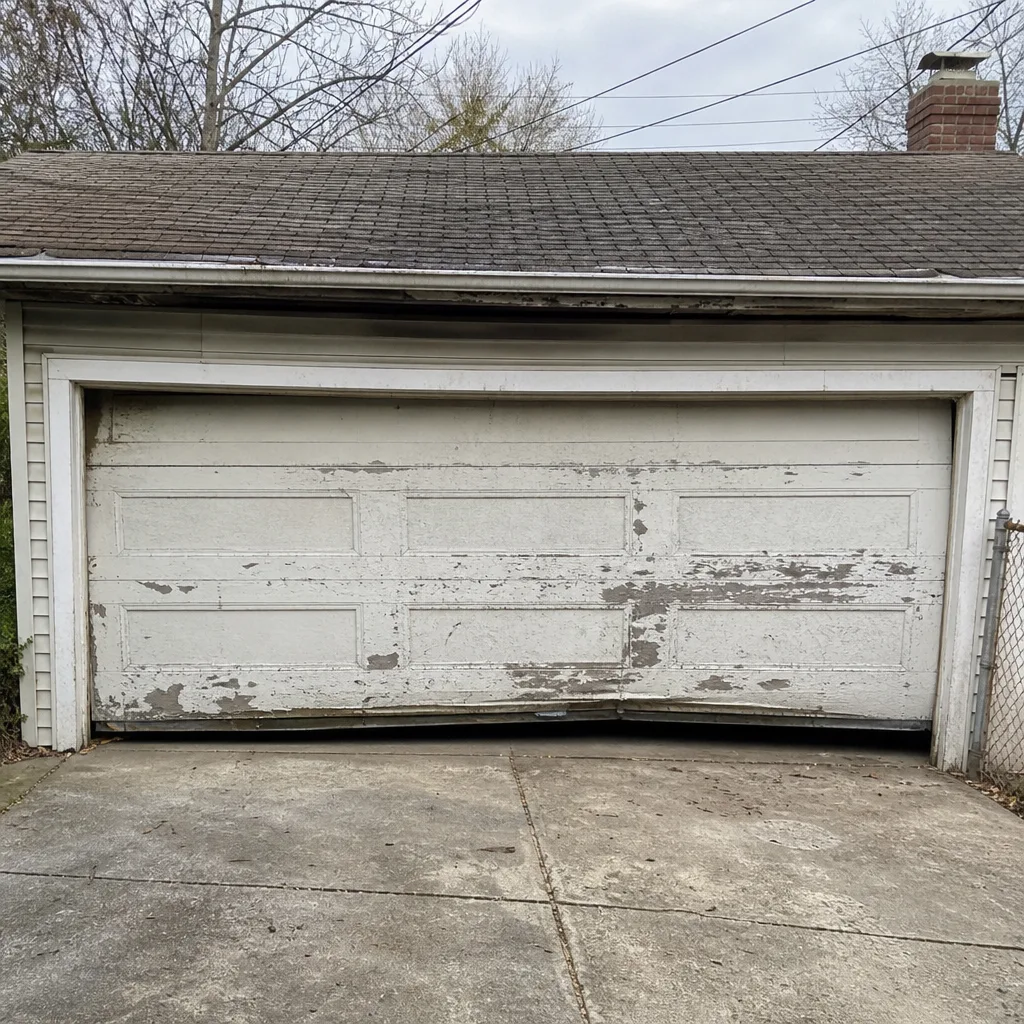 Before
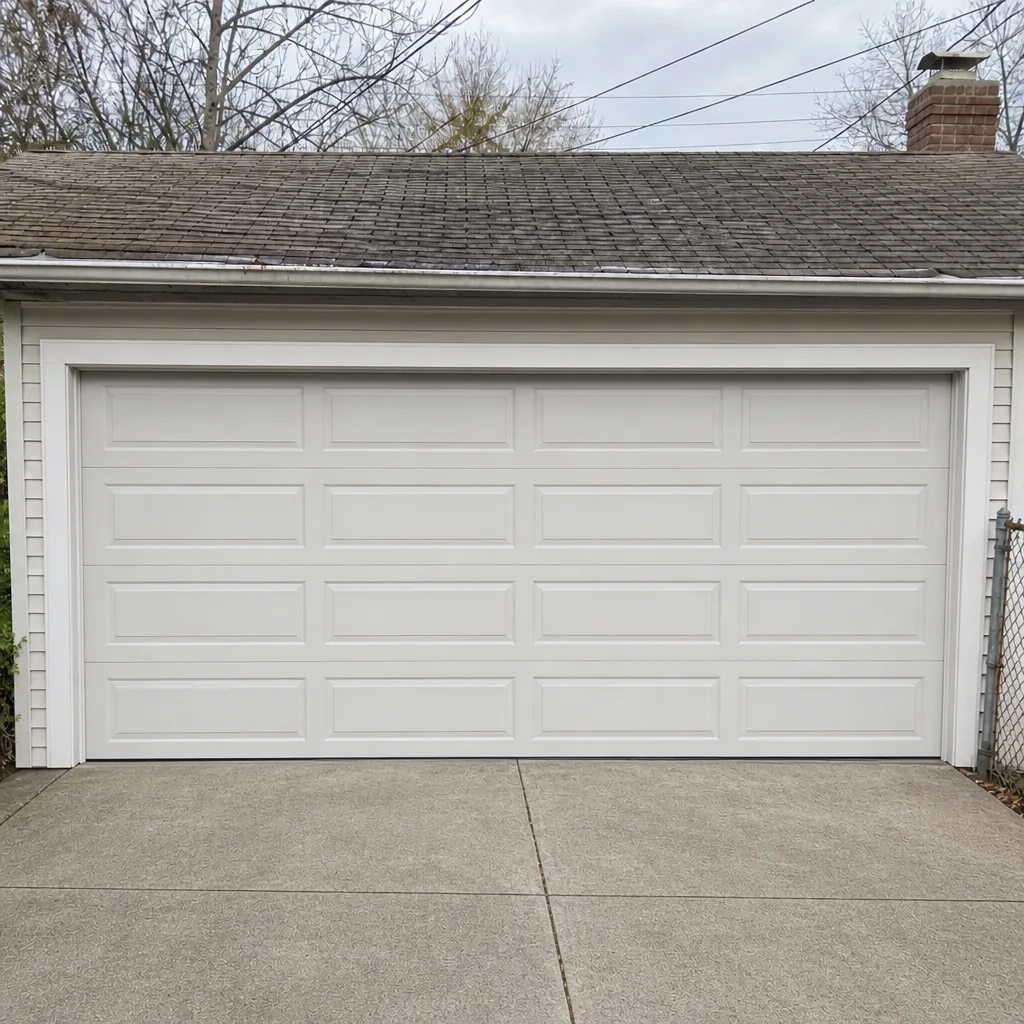 After
 Before
 After
 Before
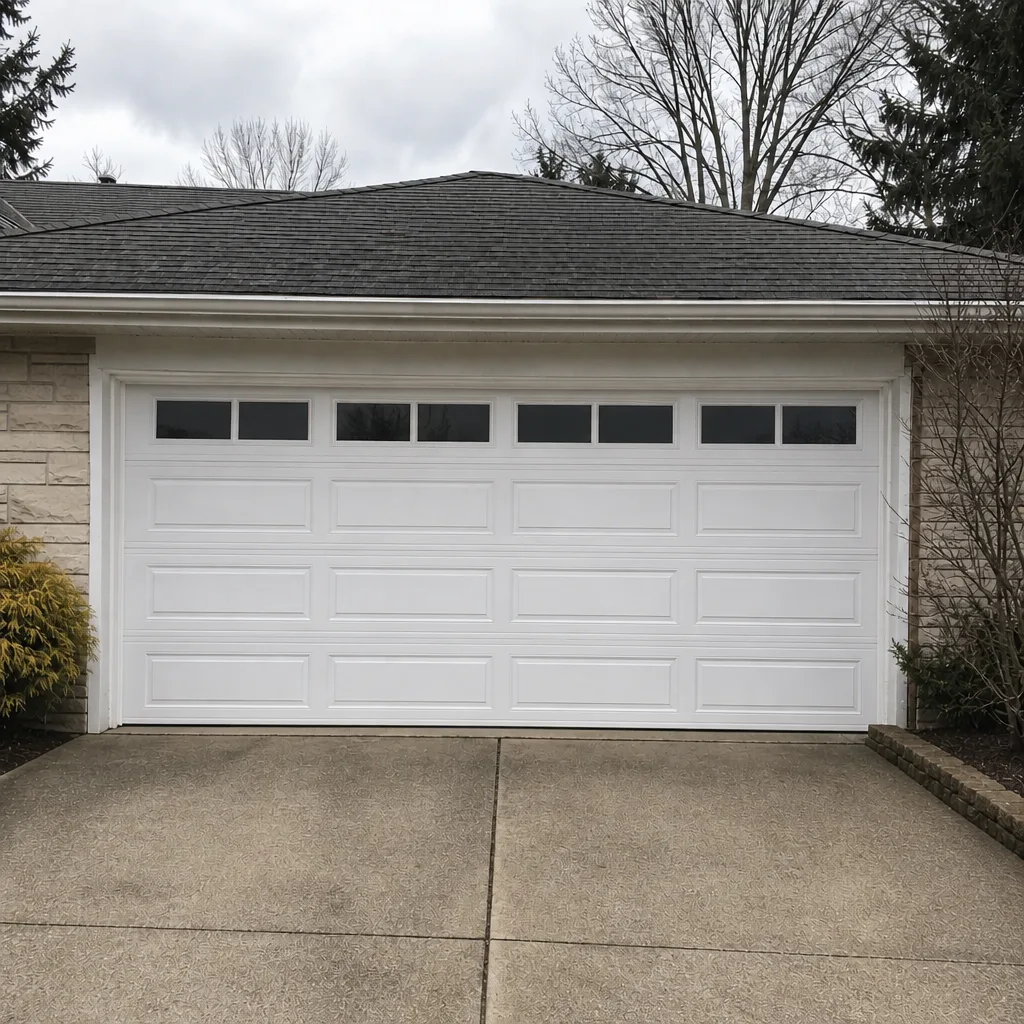 After
When to Call a Professional
Call a professional before the door is ordered, not after it’s installed, in these scenarios: the replacement changes the opening size, the header needs work, you’re adding an opener or electrical circuit to a garage that never had one, the garage is attached to the house and fire separation applies, or you’re buying or selling a Woodside property and the DOB record is unclear. For mechanical work – broken springs, off-track doors, dead openers – always call rather than attempt it yourself. Spring repair is one of the most dangerous jobs in the trade and needs a trained hand. Garage Door Repair Woodside offers free estimates in Woodside – call (855) 532-1370. We answer 24/7. Fast dispatch from 7am to 7pm, Sunday through Friday. Same-day service on repairs. For installation and full-door work, we schedule a measure and quote rather than promising same-day, because the door has to be ordered to spec.
Frequently Asked Questions
It depends on the scope. A like-for-like door swap with no change to opening size, header, or electrical is usually maintenance and doesn’t need a permit. A change to the opening size, a new opener or circuit where none existed, a header modification, or a fire-separation upgrade typically does. Ask the DOB or your filing professional before the door is ordered. Call (855) 532-1370 for a free estimate on the door work itself; the permit filing is a separate item.
Look up the property’s BIN or address through DOB NOW and check the permit and inspection history on the DOB record. If no permit exists for a job that should have had one, the record will reflect that. If you’re not sure whether the work needed a filing, ask the DOB or a licensed filing representative. It’s the fastest way to avoid an unpleasant surprise at closing. Call (855) 532-1370 if you want us to look at the door itself and tell you what’s on it.
Yes, attached garages in NYC typically require fire separation between the garage and the house, and the door assembly is part of that system. Detached garages (common in Woodside) usually don’t have the same requirement. The exact rating depends on your assembly and the code edition the job is filed under. Confirm with the DOB or your filing representative before choosing a door. Call (855) 532-1370 to walk through your door options.
It can delay or derail one. A buyer’s attorney and title company review the DOB record before closing, and an open item on that record comes up. The seller typically has to cure it or negotiate a credit. Curing retroactively is usually more expensive than filing correctly upfront, especially if the unpermitted door doesn’t meet current code. Call (855) 532-1370 for a door inspection before you list.
No, the price is quoted and agreed before any work starts. We give a written estimate for the door and labor on-site, you approve it, and that’s the price for the scope we agreed on. If we find something unexpected while the door is off (like a rusted header that needs attention), we stop and talk to you before touching it. Estimates are free. Call (855) 532-1370.
The local professionals we connect you with are licensed and insured as their state requires, and our technicians have up to 9 years of experience on spring, opener, and full-door work. We service LiftMaster, Chamberlain, Genie, Clopay, Amarr, Wayne Dalton, Craftsman, and Raynor systems, so most Woodside homes already have a brand we work on. Call (855) 532-1370 for a free estimate.
The Bottom Line
A garage door replacement in Woodside is paperwork-free only when it’s truly like-for-like. The moment the opening size, header, or electrical changes, you’re likely in permit territory under the NYC Building Code. File through DOB NOW before the door is ordered, get the inspection signed off when it’s done, and keep the paperwork with the property. If you’re buying or selling in Woodside, check the DOB record before closing; it’s a two-minute task that prevents a much bigger one. For the door work itself, one call covers diagnosis, repair, and installation. Call (855) 532-1370 for a free estimate. We answer 24/7. Fast dispatch from 7am to 7pm, Sunday through Friday.
Written by the team at Garage Door Repair Woodside.