
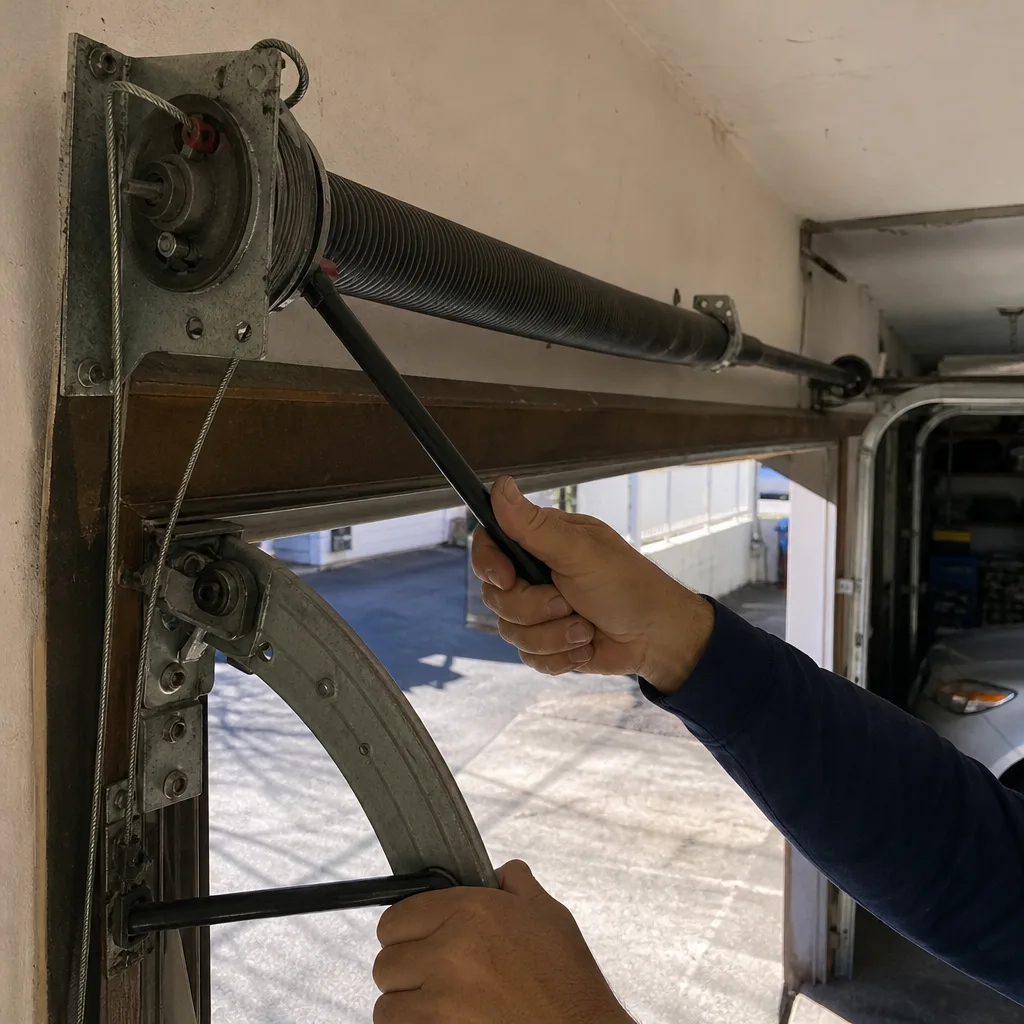
Last updated November 21, 2026
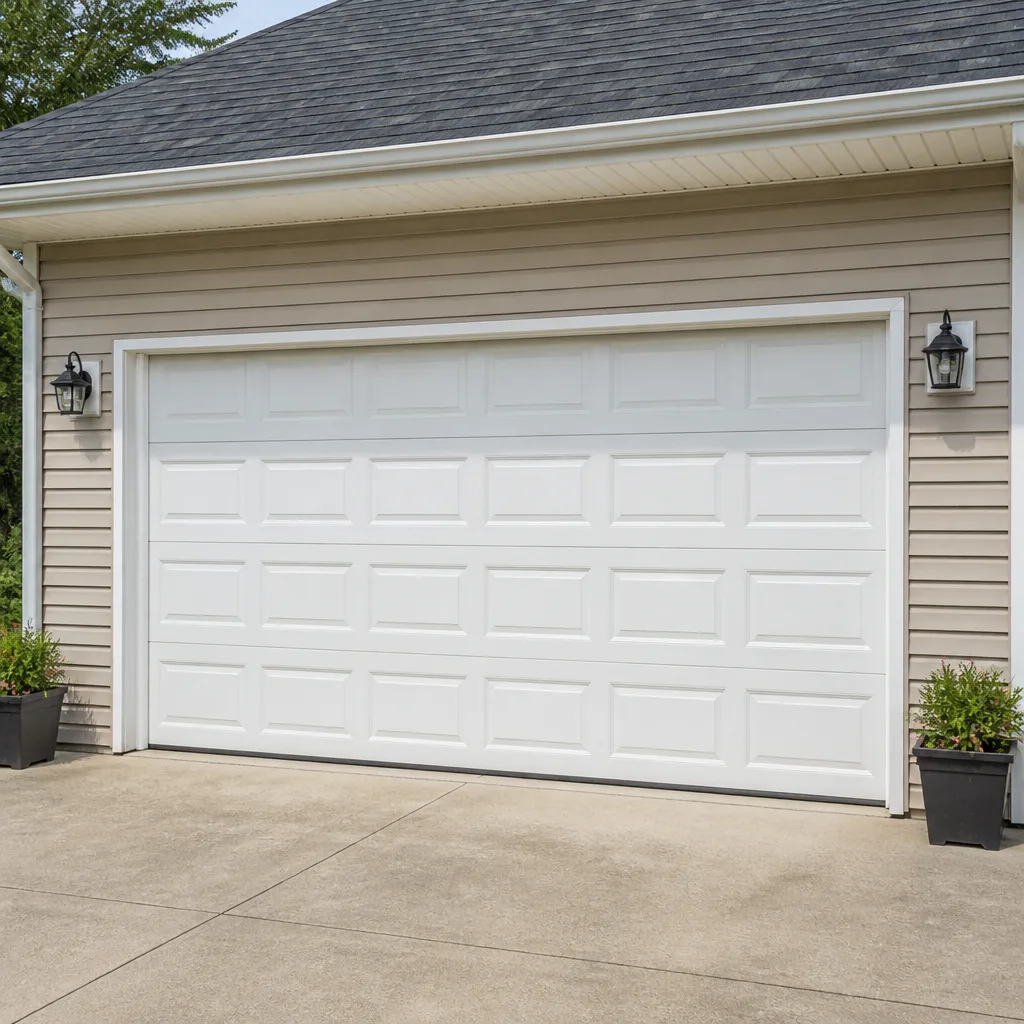 Raised-panel steel
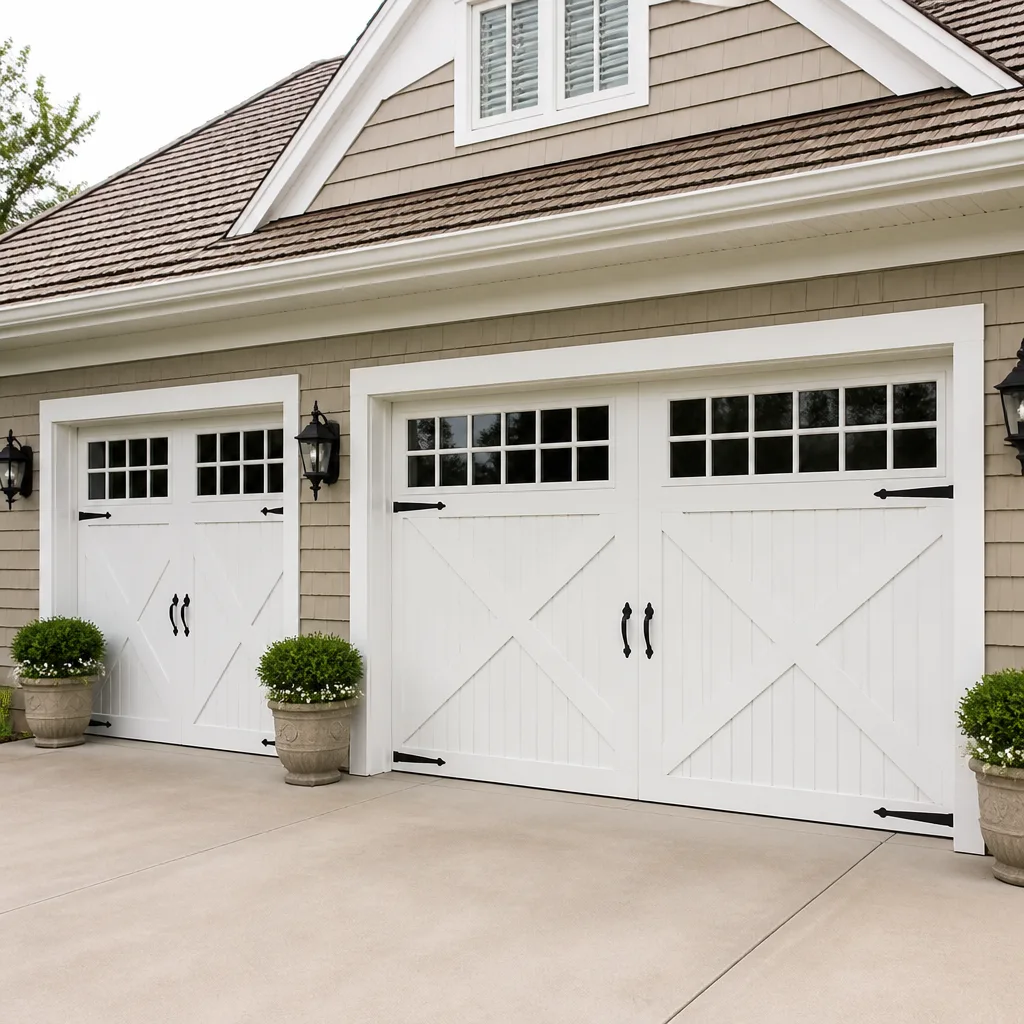 Carriage house
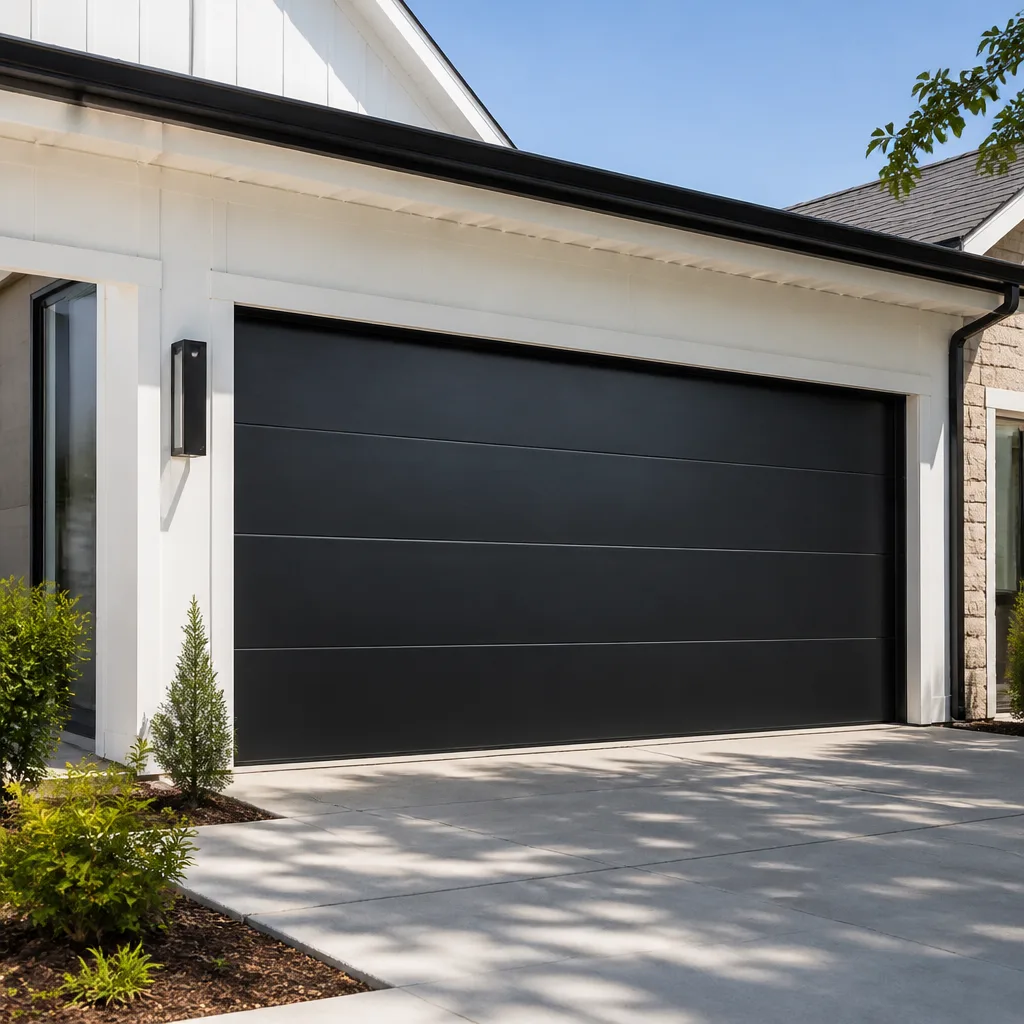 Modern flush
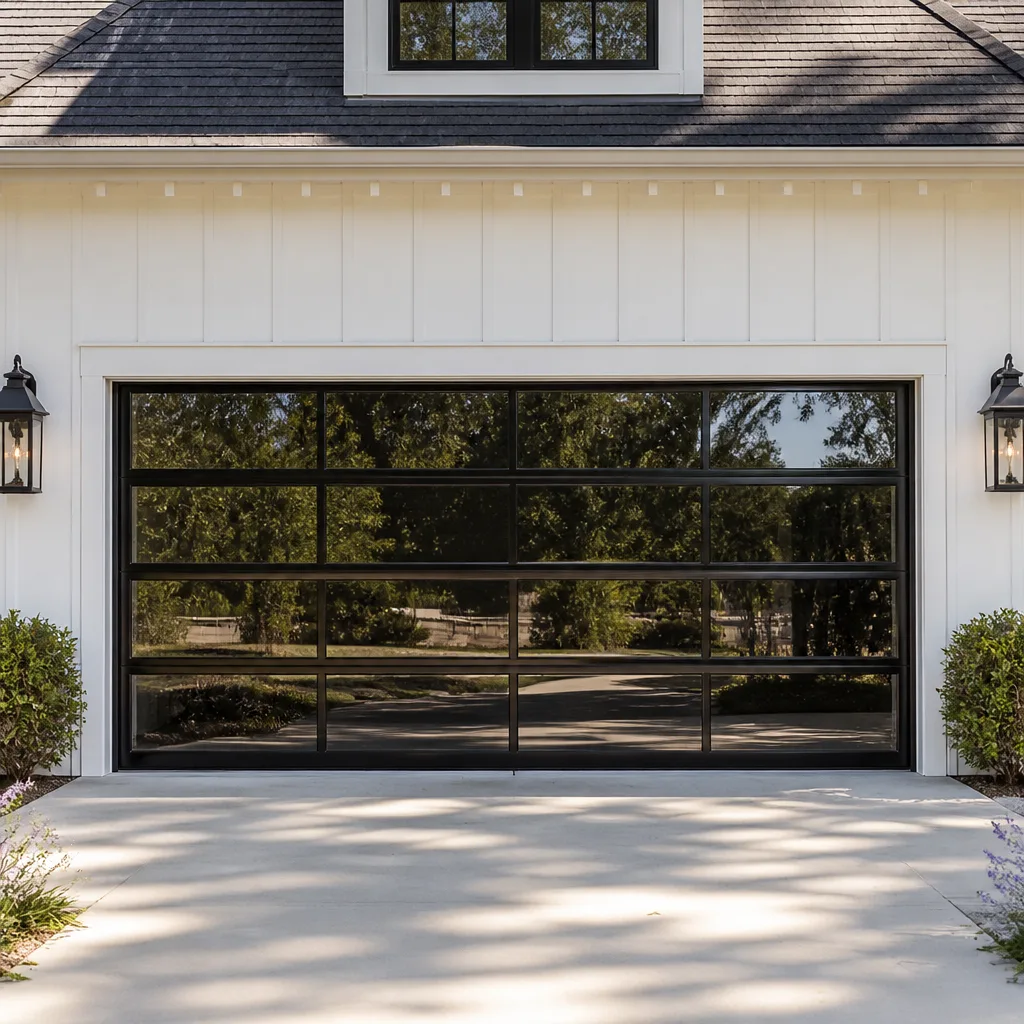 Full-view glass
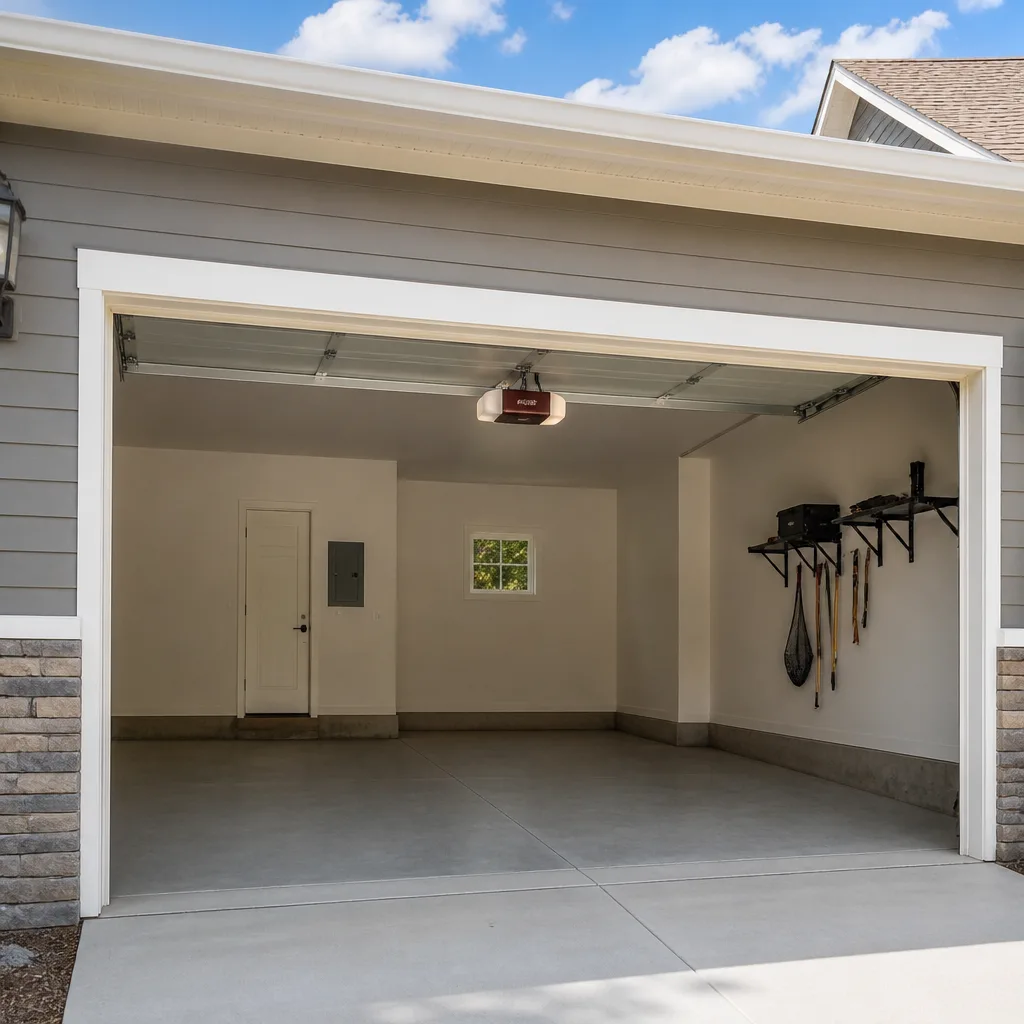 LiftMaster openers
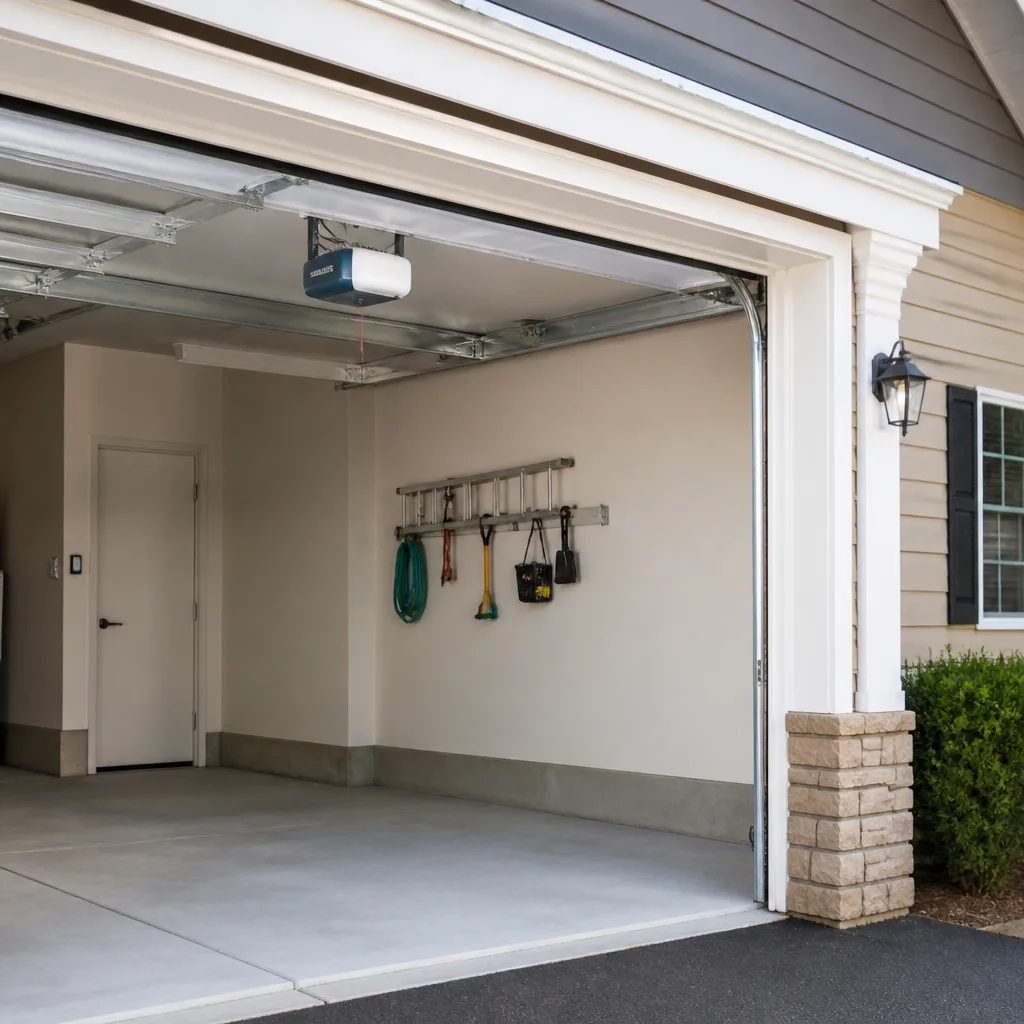 Chamberlain openers
Full 25-point door and opener safety check with every visit - springs, cables, rollers, tracks, and your LiftMaster or Chamberlain opener included
You get a price before we start. It does not change when the pro arrives.
Get your free estimateGarage Door Warning Signs: A Woodside Homeowner’s Reference Guide
A door that takes two seconds longer to close than it did six months ago isn’t aging. It’s telling you exactly which component is about to fail, and knowing which one can save you from a broken spring on a Sunday night. Most garage door failures don’t arrive without warning; they announce themselves through specific sounds, movements, and visual cues that carry real diagnostic meaning. The trouble is that most Woodside homeowners never learn to read them until something snaps. This guide changes that. We’ll walk you through what each symptom points to, which signs mean “keep an eye on it,” and which mean “stop using the door today,” plus the safe operational tests you can run yourself.
Quick Answer
The most serious garage door warning signs are a door that reverses before touching the floor, a snapped or stretched spring, frayed cables, and a door that slams down hard or won’t stay halfway open. Those mean stop using the door and call a trained professional. Grinding, rattling, and slow movement are earlier warnings that point to rollers, tracks, or opener gears and are usually fixable before they become an emergency.
Styles & brands we work with
- Raised-panel steel
- Carriage house
- Modern flush
- Full-view glass
- LiftMaster openers
- Chamberlain openers
Table of Contents
- Sound-to-Cause: What Each Noise Is Telling You
- Visual Warning Signs by Location on the Door
- Three Safe Tests Any Homeowner Can Run
- Monitor It vs. Stop Using the Door Today
- Torsion vs. Extension Springs: Warning Signs Differ
- Why Woodside Homes Show These Signs Differently
- Opener-Specific Warning Signs Before It Fails
- What to Do When You Spot a Warning Sign
Sound-to-Cause: What Each Noise Is Telling You
Every garage door has a soundtrack. When that soundtrack changes, the door is diagnosing itself for you. The key is knowing which sound maps to which mechanical source, because a grinding door and a popping door share almost nothing in the way of a fix. In our experience across Woodside, the sounds below cover the large majority of what homeowners describe when they call.
- Grinding: Metal-on-metal contact, almost always dry or worn rollers, or a bent track rubbing the edge of a roller. Grinding tends to get louder over weeks rather than appearing overnight, so it’s an early warning that rewards fast action.
- Popping or a loud bang: A torsion spring letting go or an extension spring stretching beyond its limit. A single sharp bang followed by a door that won’t lift is the classic broken-spring signature. See garage door repair for how this gets handled.
- Scraping: The door panel skimming the frame or floor, usually because a track has shifted or a hinge is bent. Scraping often shows up alongside visible damage to the bottom section.
- Rattling: Loose bolts, a worn hinge, or a strut that has worked free. Rattling is often the least urgent sound but it accelerates wear on the parts around it.
- Squealing: A roller bearing or the opener’s drive gear running dry. Squealing on a LiftMaster or Genie opener often precedes a gear failure by weeks.
- Humming without movement: The opener motor is running but the door isn’t. That’s a stripped gear, a snapped drive belt, or a broken torsion spring doing the actual blocking.
Write down which sound you hear and when it happens: on opening, on closing, or both. That detail alone narrows the diagnosis before anyone arrives on site, which usually shortens the visit and gets you back in service sooner.
Visual Warning Signs by Location on the Door
Walk out and look at your door from a few angles. What “worn” actually looks like depends entirely on where you’re looking, so the checklist below organizes visual signs by location. You can run this entire inspection standing on the ground, with the door closed and nothing in motion.
Top section and header
- Sagging or bowing panels, especially in the top section on doors that carry a torsion shaft.
- Rust streaks running down from the header brackets, a sign of moisture tracking down a loose fastener.
- Bracket bolts that have backed out or left bright wear marks on the metal.
Tracks
- Visible bend or kink in the vertical or horizontal track. A kink catches rollers and forces the opener to work harder.
- Track that pulls away from the frame at the wall brackets.
- Rollers sitting off-center in the track channel.
Cables
- Frayed strands poking out of the wire. Frayed cables are a stop-using-the-door warning, not a monitor-it warning.
- Slack or uneven cable on one side versus the other.
- Cable that has jumped off its drum or pulley.
Springs
- A visible gap in a torsion spring coil, usually with the two ends offset. That means the spring has broken.
- An extension spring that looks stretched or longer than the one beside it.
- Painted-over springs with rust bleeding through the paint.
Bottom seal
- A gap between the seal and the floor when the door is fully closed.
- Cracked, brittle, or missing rubber along the bottom edge.
- Daylight visible under a closed door, which points to a seal or track issue rather than an opener problem.
Three Safe Tests Any Homeowner Can Run
You can diagnose a lot of trouble without ever touching a spring or a cable. The three tests below are safe for any homeowner to run, and each one produces a clear pass-or-fail result. Do them in order, and stop if anything feels or sounds wrong.
- Balance test. With the door closed, pull the manual release cord to disconnect the opener, then lift the door by hand to about halfway and let go. A healthy door should hold roughly where you leave it. If it drops or rises on its own, the spring tension is off or a spring is failing. Reconnect the opener by hand before testing anything else.
- Reversal (safety) test. With the door connected and on the ground, place a solid object like a piece of wood in the path and press close. The door should reverse immediately on contact. If it doesn’t reverse, your safety system is failing and the door should not be used unattended.
- Manual disconnect test. Pull the release cord with the door closed. The door should lift smoothly and evenly by hand. If it feels heavy, binding, or uneven side to side, the balance or track is off and a trained technician should look at it before the next use.
A failing result on the balance test almost always points to springs, which are the one component no homeowner should ever adjust. A failing reversal test points to the opener’s safety sensors or limit settings, and that’s the domain of garage door opener repair. Either way, a failure means stop and call.
Monitor It vs. Stop Using the Door Today
The hardest judgment call for most homeowners is separating the “note it in your phone” signs from the “park outside tonight” signs. Here’s the split we use when we walk up to a door.
Signs you can monitor for a short time
- Mild rattling from loose hinges or bolts.
- A slow squeak from rollers that still track cleanly.
- A worn bottom seal that lets daylight under the door.
- A single sensor that needs cleaning or a slight realignment.
Signs that mean stop using the door today
- A visible break in a torsion spring or a popped extension spring.
- A snapped or frayed cable.
- A door that reverses before making contact on the reversal test.
- A door that slams open or closed, or that can’t be lifted by hand.
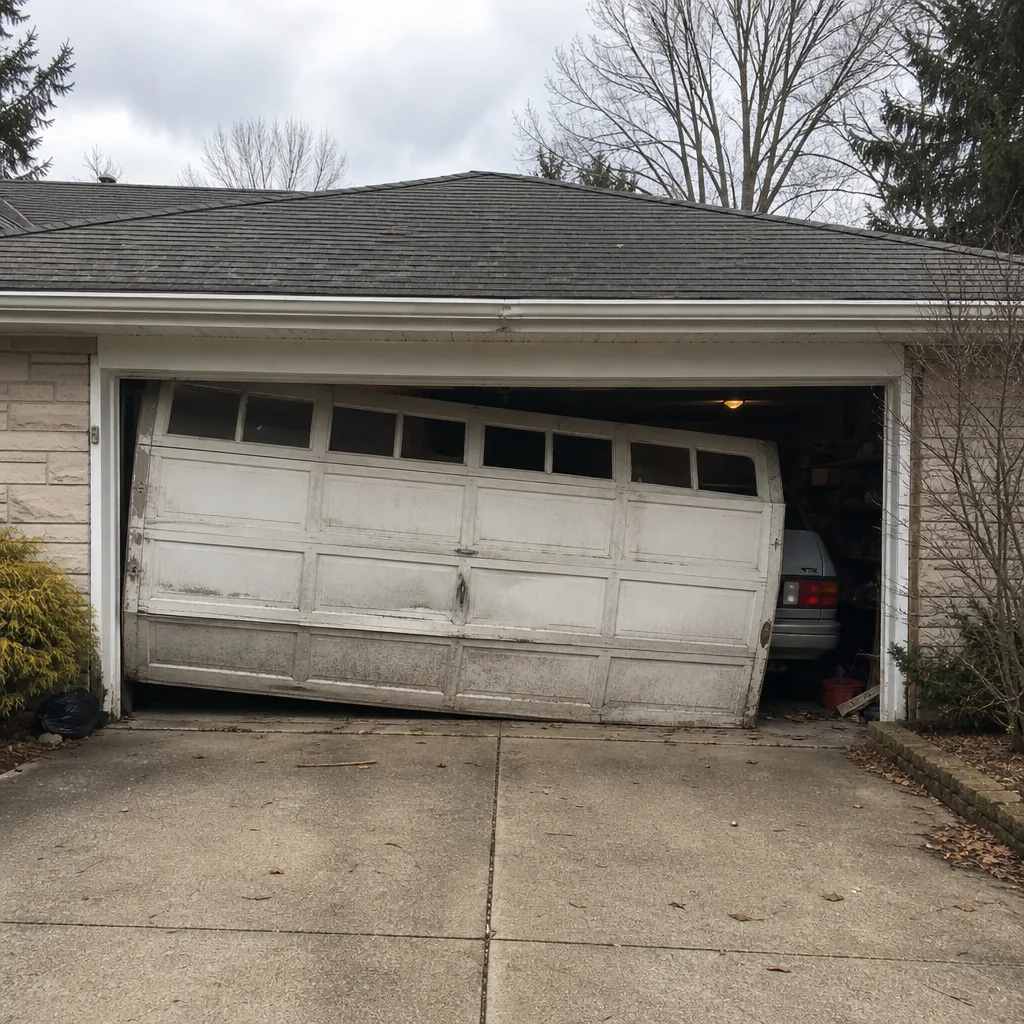
- A door hanging crookedly or one side off the track.
- A loud bang followed by the door no longer lifting.
A broken spring means the door is holding its weight on the opener and the cables alone, and that weight can bend panels or snap a cable with no warning. If any of the second-tier signs shows up, park outside and call. Spring repair is dangerous; it needs a trained hand, and that’s the single most important sentence in this guide.
Torsion vs. Extension Springs: Warning Signs Differ
Torsion and extension spring systems carry the same weight through very different mechanisms, so their failure warning signs look different. Woodside has plenty of both because older homes were built with one system and newer doors were installed with the other.
Extension springs (typically older doors)
- Stretch marks or a visibly longer spring than its partner on the opposite side.
- Cable slack on one side as one spring loses tension ahead of the other.
- An extension safety cable that has come loose. Extension springs need an intact safety cable to prevent violent travel when they snap.
- A sudden single bang, followed by one side of the door sagging.
Torsion springs (typically doors of the last two decades)
- A small gap in the coil, usually at the center of the shaft. That’s a break.
- Even, clean black streaks along the shaft. The spring is still intact but likely close to failing.
- A door that opens a few inches and stops cold, or that feels far heavier than it used to.
- A snap that sounds like a gunshot inside the garage, with the door stuck closed.
Both systems matter, and both call for the same response: do not attempt to adjust, wind, or swap a spring yourself. On a torsion setup you’d also be working against a wound shaft, which is exactly why trained technicians handle this job. When we repair a spring, we check the partner spring too. Replacing one and leaving a matched partner past its service life usually just delays the same phone call.
Why Woodside Homes Show These Signs Differently
Woodside’s housing stock is a real part of the diagnostic picture. The neighborhood runs from older detached homes with extension spring setups to newer construction that ships with torsion springs and modern openers from LiftMaster or Chamberlain. That means the household two doors down from you may have an entirely different failure pattern than your own, and the age of the door matters more than the age of the house.
Weather also plays a role. Woodside gets hard seasonal swings between humid summer air and dry, cold winter air, and that cycle works on wooden doors and metal alike. Panels swell and shrink, seals stiffen and crack, and tracks shift by a fraction that’s enough to make a roller catch. The signs you’d expect to take years to appear often speed up across one full seasonal turn. A door that behaves all summer can start grinding a week after the first cold snap.
Home layouts matter too. Many Woodside garages sit close to the home’s main entry, so a door that stays open or reverses halfway leaves cars exposed and doors unlocked. That raises the cost of downtime beyond inconvenience. If you’re weighing whether a warning sign is worth a call, ask how long you can safely leave the garage open. For most Woodside households the answer is “not long,” which pushes every middle-tier sign toward “call soon.”
If it helps you plan, a lot of what we diagnose in Woodside ends up being tightening, adjustment, and replacement of wear parts before anything major fails. That’s the entire point of reading the signs early. For larger decisions, from a full replacement to a brand-specific upgrade, our garage door installation page covers how the process is scheduled and quoted.
Opener-Specific Warning Signs Before It Fails
Your opener usually gives notice before it dies. Because we service Genie, LiftMaster, Chamberlain, Craftsman, and older mechanical units alongside newer smart-home-connected machines, we see a consistent set of warnings across all of them.
- Delayed response: You press the remote and the door opens a beat or two late. On a smart opener, that’s often a sign of a failing capacitor or a gear about to strip.
- Remote short range: You have to be almost at the door before it responds. That’s frequently a worn antenna or a failing logic board on older units.
- Blinking light codes: Many openers blink a pattern on the motor housing or wall control. Count the blinks and note them; they point straight at the fault, and having the code handy speeds up diagnosis.
- Safety sensor trouble: The door goes down a bit and comes right back up, or refuses to move at all. Sensors are usually misaligned, dirty, or wired loose rather than broken.
- Noisy operation: A grinding opener that gets louder over weeks is often a stripped gear on a Chamberlain or Genie drive. That’s usually fixable without replacing the whole unit.
- Stops mid-travel: A door that reverses at the same spot every time has a limit setting or sensor issue, not a motor failure.
Match the symptom to the brand where you can. On a LiftMaster, the wall control may report codes a Genie or Wayne Dalton unit reports differently. Knowing the brand helps the technician arrive with the right parts, which keeps the visit short. If your car is trapped and you need to know what comes next, our Garage Door Repair Woodside page covers same-day service and how we handle a door that won’t move.
What to Do When You Spot a Warning Sign
Once you’ve identified a warning sign, the response is usually simple: check the tier, decide whether to monitor or stop, and call. The steps below are the sequence we recommend to any Woodside homeowner who has just noticed something wrong.
- Stop using the door if the sign is in the “stop today” tier. Leave it closed and park outside.
- Take a photo of the symptom, front and back if you can. A photo of a spring, track, or cable narrows the repair on the phone.
- Note the opener brand and model if it’s printed on the housing. On a Clopay or Amarr door, the panel labeling helps identify the door system as well.
- Run the reversal test only if the door is fully intact, moving evenly, and shows no spring, cable, or track damage.
- Call a specialist and describe what you see and hear. Estimate the fix up front and ask when someone can come out.
One call covers diagnosis, parts, and repair from the same company, so you don’t have to vet a second contractor partway through the job. Our technicians have up to 9 years of experience with springs, openers, and full door systems, and every repair starts with a written price agreed before any work begins.
Common Mistakes to Avoid
- Ignoring a slowly grinding door. Grinding is how a worn roller tells you it’s taking metal off the track. Left alone, a roller failure can bend the track and turn a small repair into a larger one.
- Adjusting a torsion spring yourself. A wound torsion shaft stores serious energy. This is the one part of the door that no homeowner should ever try to adjust or replace, no matter how many videos exist online.
- Replacing just one spring in a pair. When one spring goes, the pair is usually near the end of its life. Leaving a worn partner in place just adds a second call later and doubles the downtime.
- Assuming a heavy door is “just old.” A door that gets harder to lift by hand is a balance problem, usually a spring that has lost tension. It won’t fix itself, and it wears out the opener gear faster.
- Skipping the reversal test. This is the single test that catches a genuine safety failure. A door that won’t reverse on contact is a hazard, and it’s a quick check.
- Calling a handyman for spring or cable work. Spring repair is dangerous and skill-dependent. It’s the job most generalists avoid, which is why a specialized garage door company is the right call.
- Forgetting to note the brand and model. On a Genie, Chamberlain, LiftMaster, or Wayne Dalton opener, the make and model speeds up diagnosis and parts. Grab that information while you’re already looking.
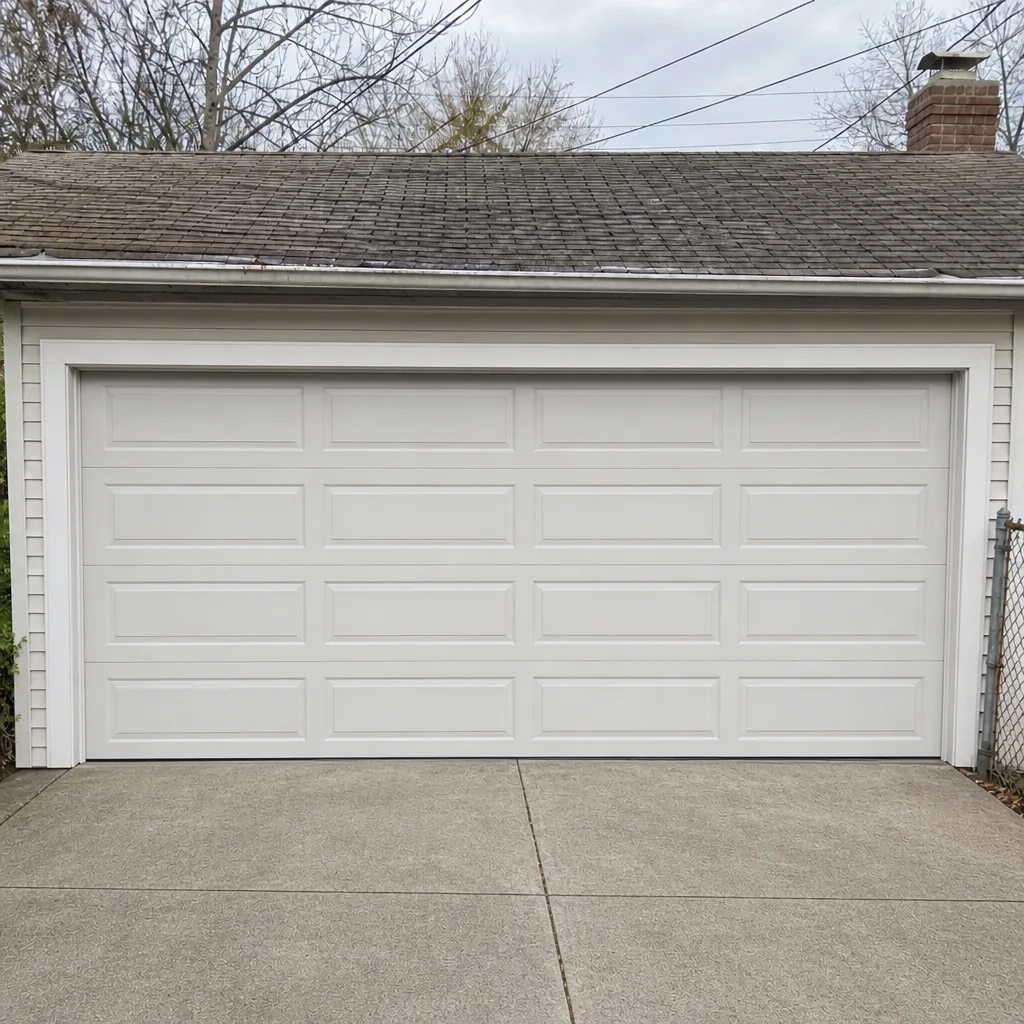
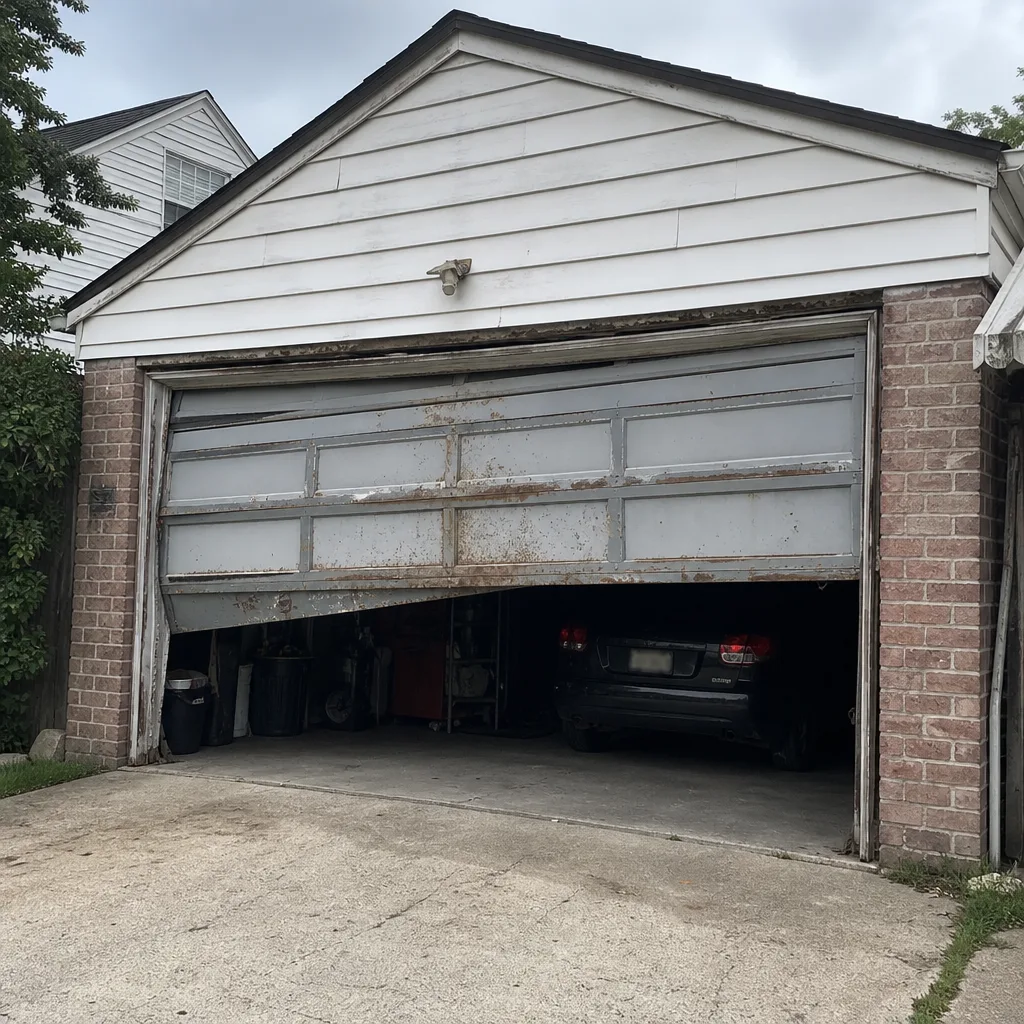
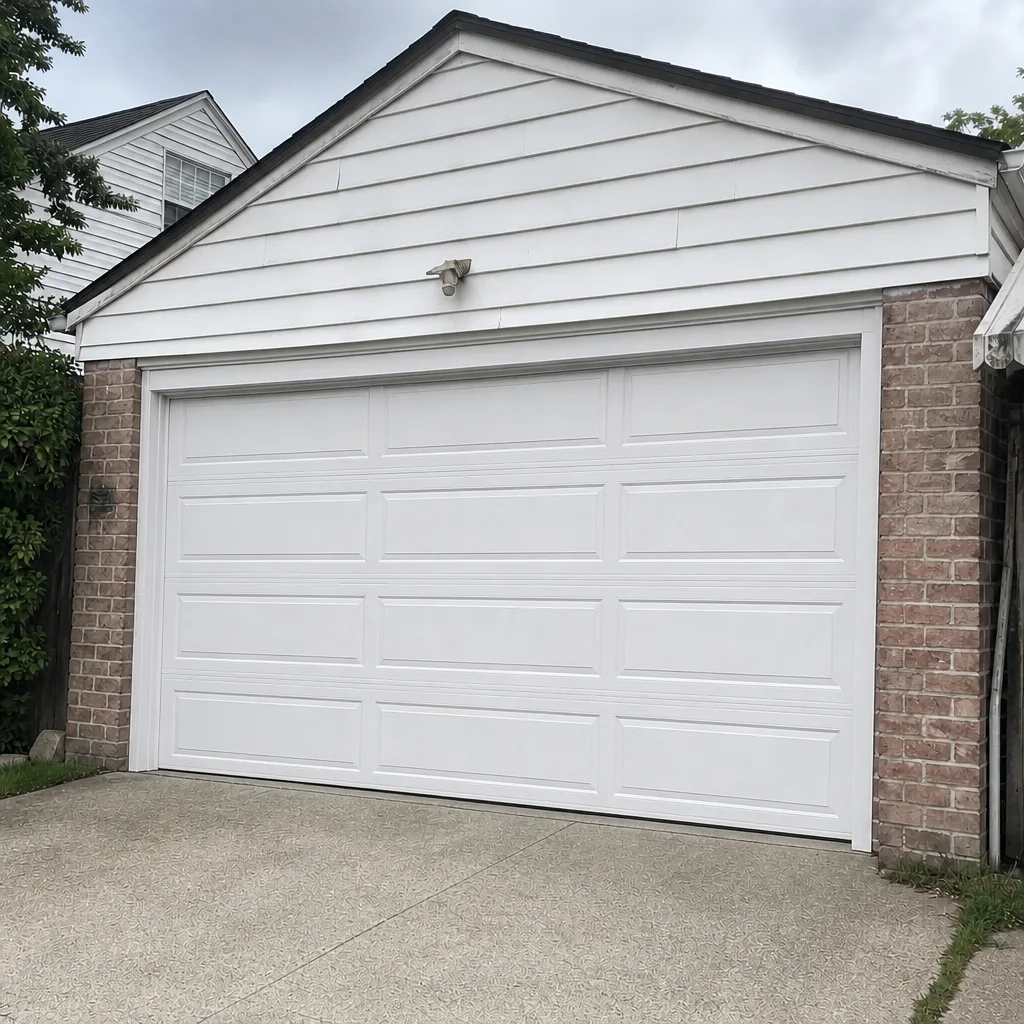
See the difference
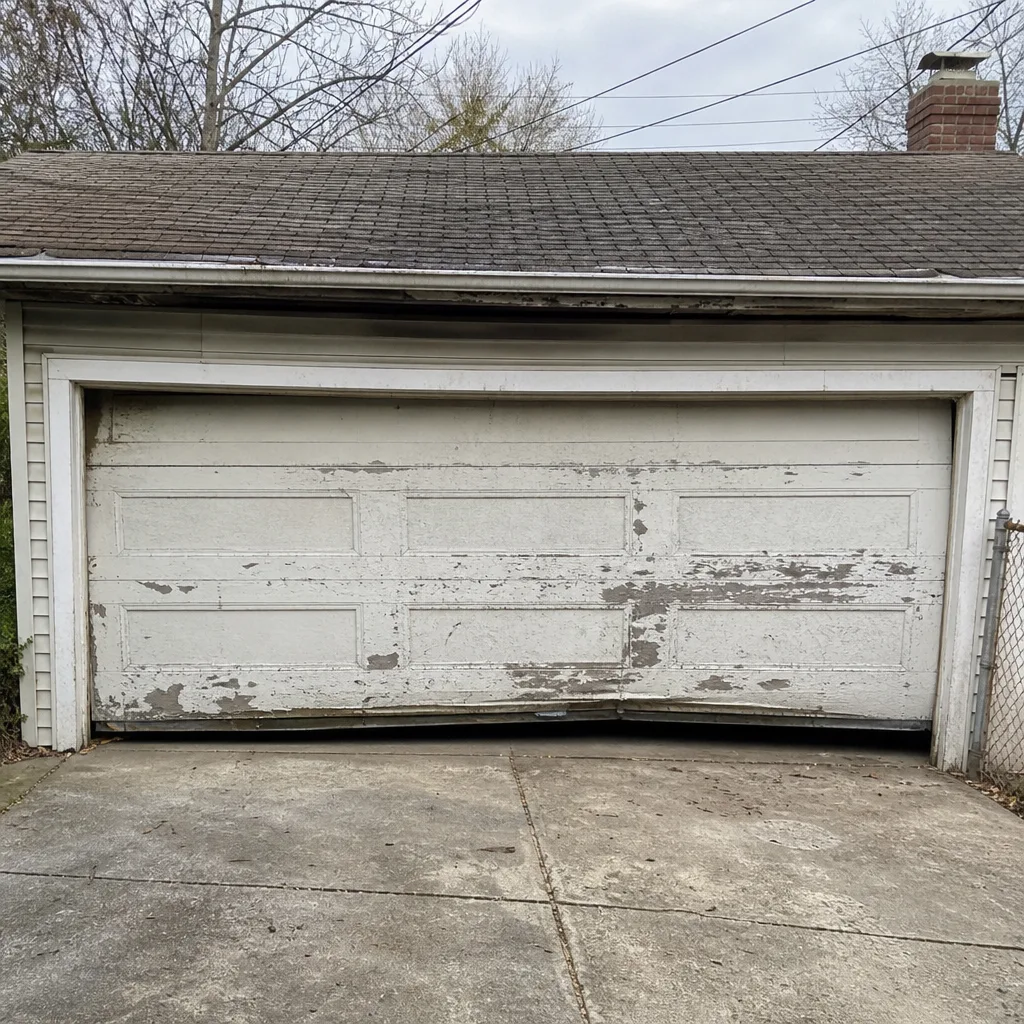 Before
 After
 Before
 After
 Before
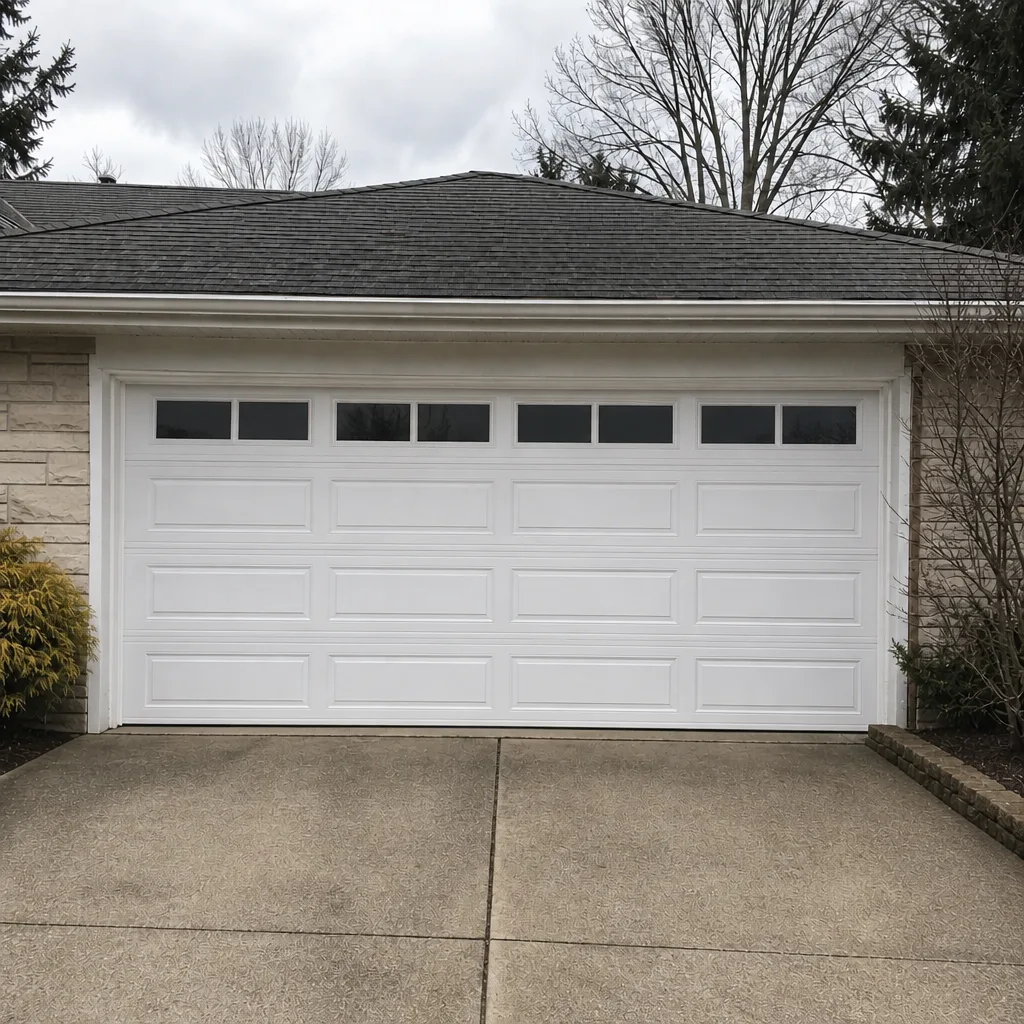 After
When to Call a Professional
Call a professional if any “stop today” sign is present: a broken spring, a frayed cable, a door that slams or reverses before contact, or a door hanging off its track. Call sooner rather than later if the door is grinding, squealing, running slower, or reversing halfway up, since these are the early signs that get expensive when ignored. If the opener runs but the door doesn’t move, or the door behaves differently on opening versus closing, that’s worth a trained look.
Garage Door Repair Woodside offers free estimates in Woodside. Call (855) 532-1370. We answer 24/7. Fast dispatch from 7am to 7pm, Sunday through Friday. Same-day service is available on urgent repairs, and every price is quoted and agreed before any work starts.
Frequently Asked Questions
The earliest signs are usually sound and speed: grinding, rattling, squealing, or a door that opens and closes a few seconds slower than it used to. These point to worn rollers, loose hardware, or an opener gear starting to fail, and all of them are far cheaper to fix now than after a full failure.
No. A door with a broken spring is holding its weight on the opener and cables, and using it risks bending panels, snapping a cable, or dropping the door. Park outside and call for repair; spring work needs a trained hand and shouldn’t be attempted as a DIY project.
Try the manual release: if the door lifts smoothly by hand, the door is fine and the opener is likely the problem. If the door feels heavy, binds, or won’t hold halfway, the fault is in the door or springs. Either result points to a call, and on a LiftMaster, Chamberlain, or Genie unit the brand helps narrow it further.
Yes. The reversal test, balance test, and manual disconnect test are all safe for a homeowner and require no tools. Run them only when the door is fully intact and nothing looks damaged. If any test fails, stop using the door and call a technician.
A loud bang almost always means a spring has broken or an extension spring has reached its limit. If the door won’t lift afterward, that confirms it. Stop using the door and call for spring repair, since the opener can’t safely carry the door’s weight alone.
Yes, same-day service is available on urgent repairs, and emergency work is a core part of what we do. Call (855) 532-1370 and describe the symptom so we can dispatch the right technician. We answer 24/7. Fast dispatch from 7am to 7pm, Sunday through Friday. Estimates are free and the price is set before any work begins.
The Bottom Line
Garage door failures rarely arrive without warning. They announce themselves in sounds, slow movements, and visual cues that each point to a specific component, and the earlier you read them, the cheaper and simpler the fix. Know the sound-to-cause table, run the reversal test and the balance test now and then, and treat a broken spring, a frayed cable, or a door that won’t reverse as a stop-today signal. Woodside homes show these signs in both torsion and extension systems, so learn yours. Monitor the small signs, stop at the serious ones, and call when in doubt.
When something’s wrong, one call covers diagnosis, parts, and repair. Call Garage Door Repair Woodside at (855) 532-1370 for a free estimate. We answer 24/7. Fast dispatch from 7am to 7pm, Sunday through Friday. Emergency or scheduled, we’re ready.
Written by the team at Garage Door Repair Woodside.