
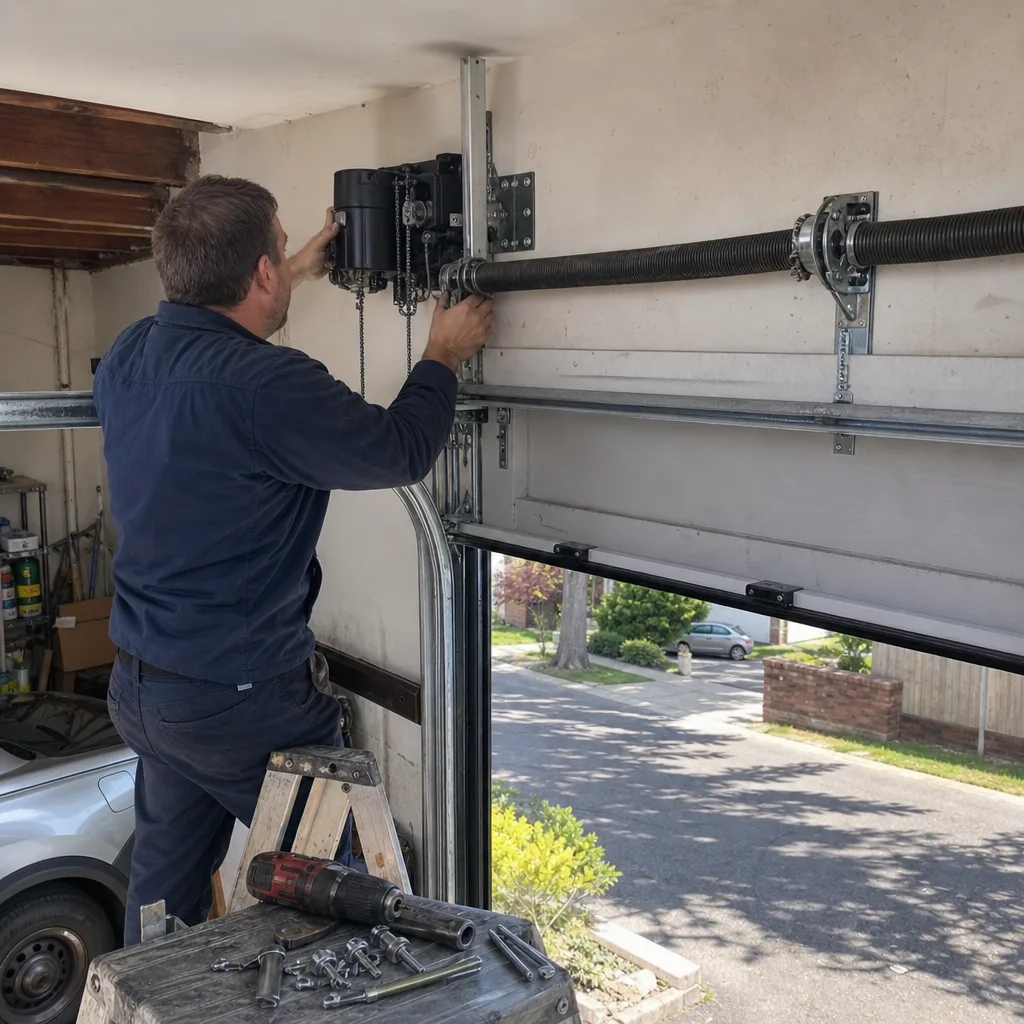
Last updated November 21, 2026
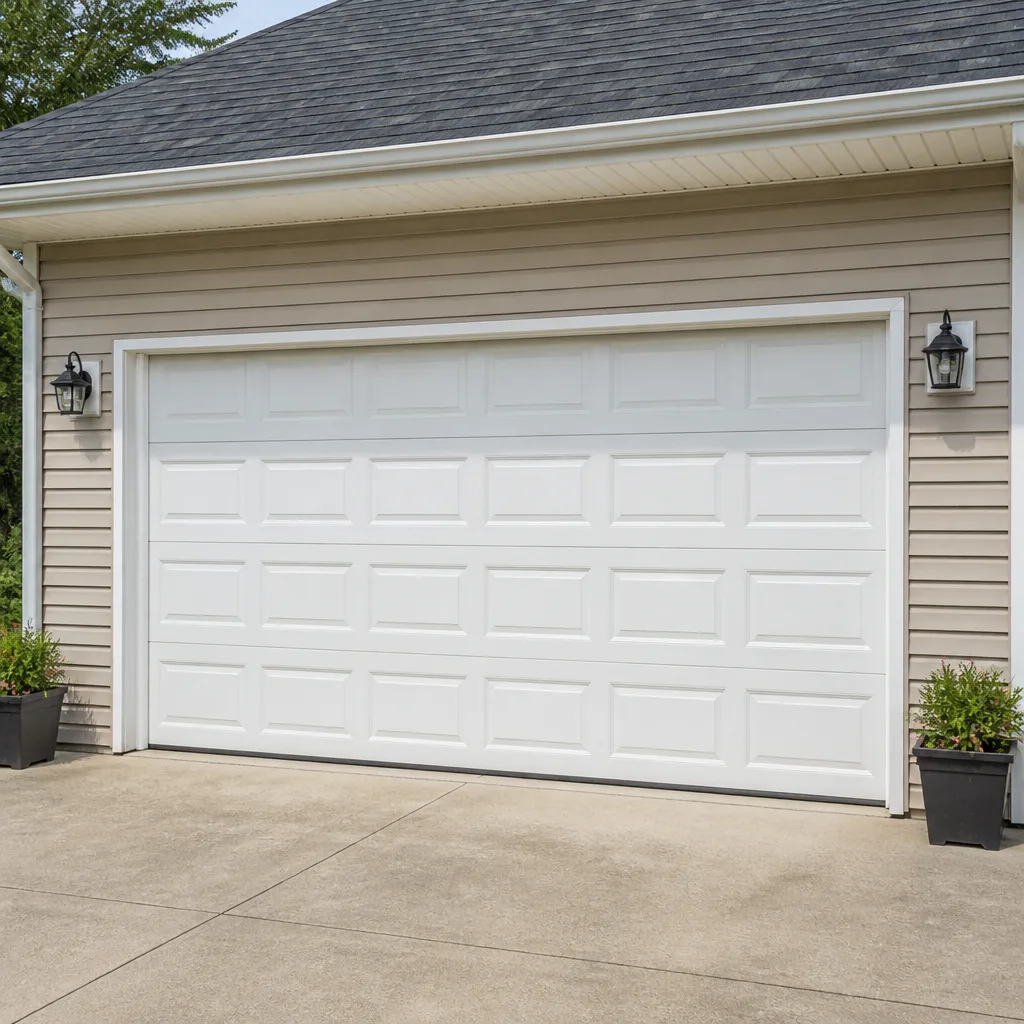 Raised-panel steel
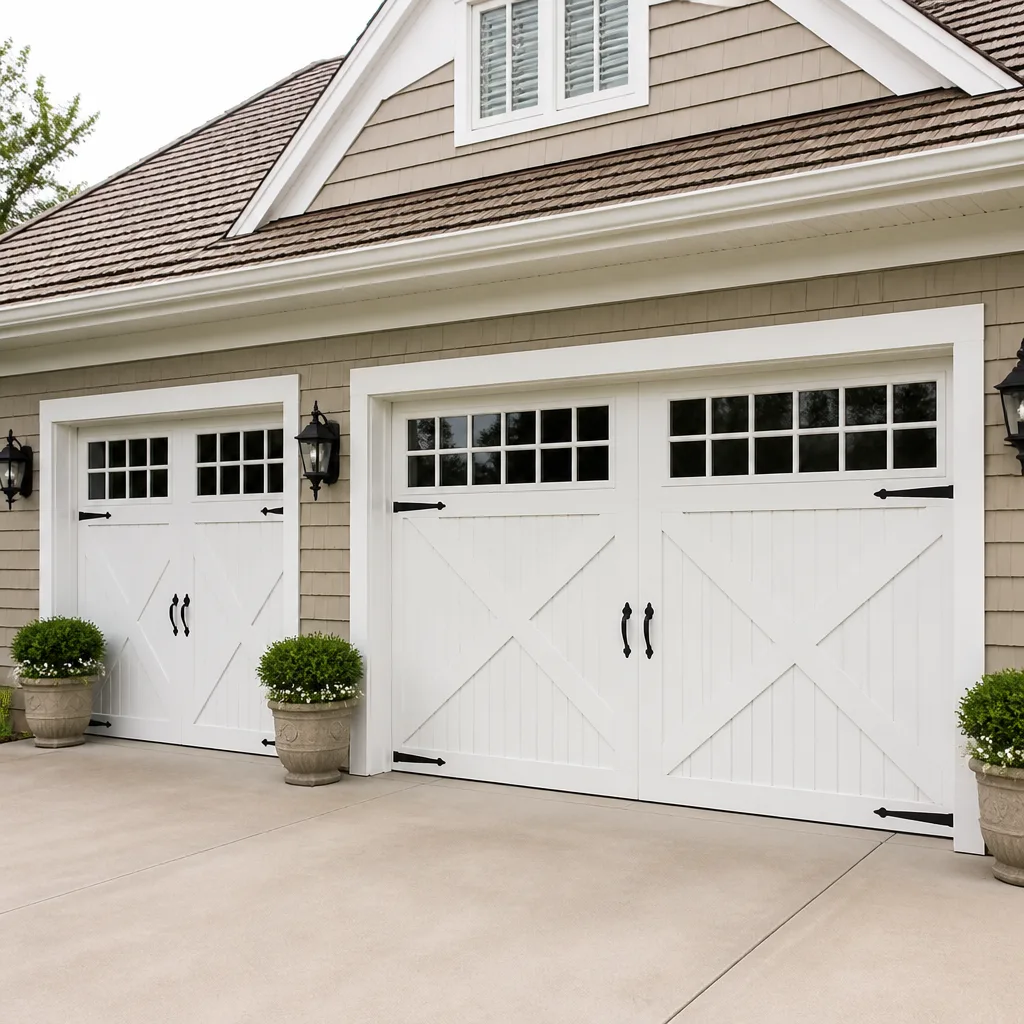 Carriage house
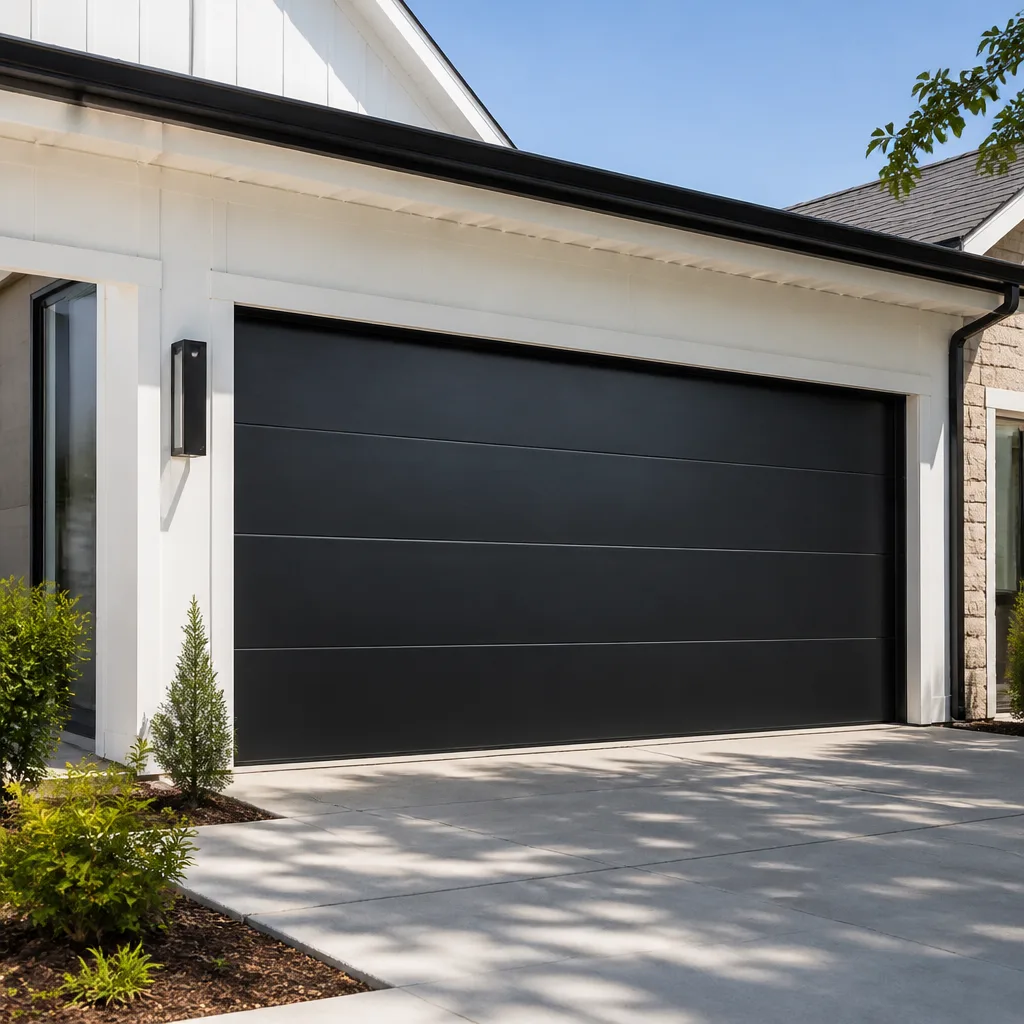 Modern flush
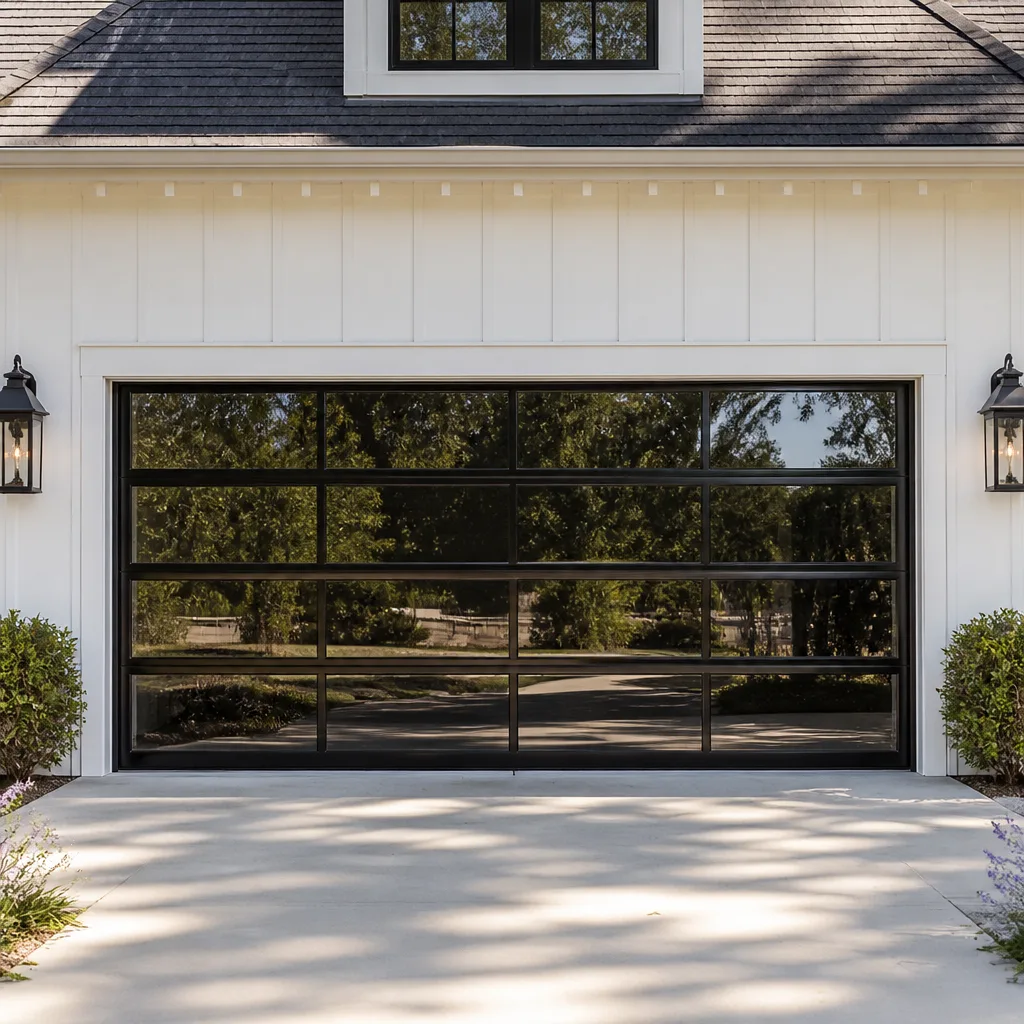 Full-view glass
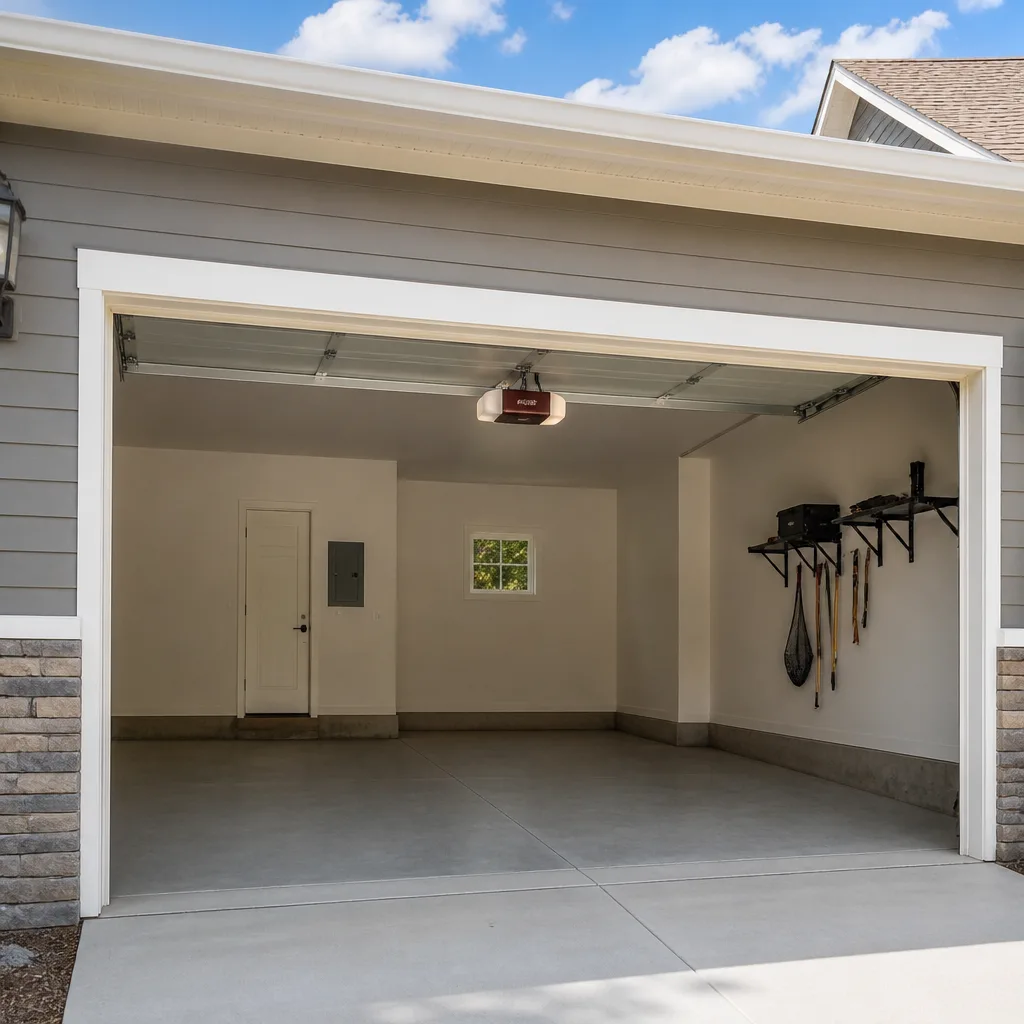 LiftMaster openers
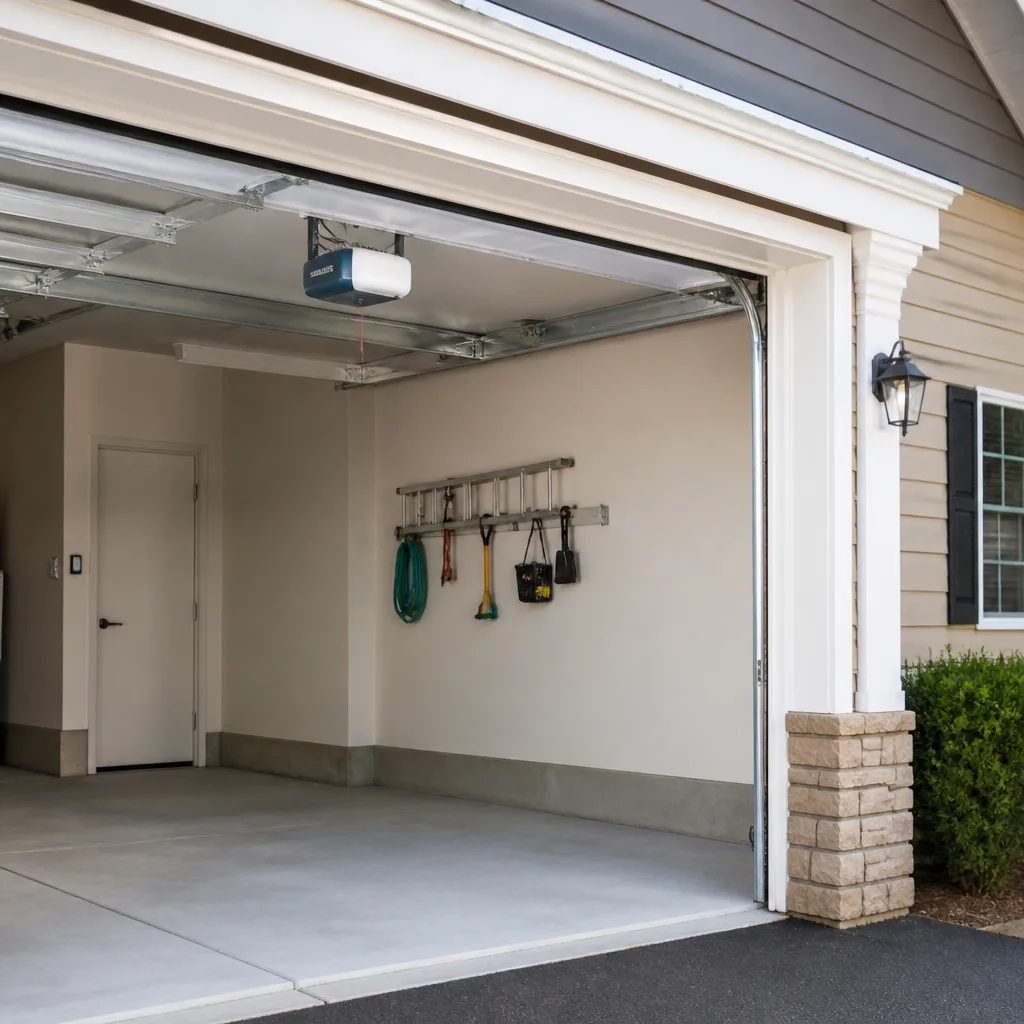 Chamberlain openers
Full 25-point door and opener safety check with every visit - springs, cables, rollers, tracks, and your LiftMaster or Chamberlain opener included
You get a price before we start. It does not change when the pro arrives.
Get your free estimateSeasonal Garage Door Care for Woodside: Year-Round Homeowner’s Guide
The busiest garage door repair week in Queens tends to arrive in the third week of January. Not because of the cold itself, but because of what the first big storm leaves behind. Road salt gets applied during that first snow event, then sits on cable ends and bottom bracket bolts for about two weeks, wicking into the metal and accelerating corrosion. By the time the third week rolls around, those components give way. Woodside homeowners feel this on the blocks of detached houses and two-family homes where the garage door is the front door in practice. This guide walks through what each season does to your door and opener, in the order the stress actually arrives, so you can get ahead of it instead of calling for a snap repair on a freezing morning.
Quick Answer
Seasonal garage door care in Woodside means matching maintenance to the local climate cycle: seal and lubricate before winter, use a cold-rated lubricant that stays fluid below 20°F, check for freeze-thaw damage in spring, recalibrate tension and opener sensitivity as summer humidity builds, then repeat. Most of the year-round work is inspection, lubrication, and small adjustments. The high-stakes jobs – spring replacement, cable swaps, opener motor repair – belong to a trained technician. Our technicians have up to 9 years of experience and service LiftMaster, Chamberlain, Genie, Clopay and other major brands. Call (855) 532-1370 for a free estimate.
Styles & brands we work with
- Raised-panel steel
- Carriage house
- Modern flush
- Full-view glass
- LiftMaster openers
- Chamberlain openers
Table of Contents
- Why Woodside’s Climate Hits Garage Doors Differently
- Fall Prep: Sealing and Lubricating Before the Cold
- Winter: Which Lubricants Hold Up Below 20°F
- Spring Checklist: Freeze-Thaw Damage
- Summer Humidity and Spring Tension
- Adjusting Opener Sensitivity Through the Year
- The Woodside Seasonal Calendar at a Glance
- Common Mistakes to Avoid
- When to Call a Professional
- Frequently Asked Questions
Why Woodside’s Climate Hits Garage Doors Differently
Woodside doesn’t run a clean four-season calendar. It runs a specific sequence: humid summers that swell wood and load the springs, road-salt winters that attack the metal fittings, and spring freeze-thaw cycles that work fasteners loose over weeks. Each stress arrives in a predictable order. That means you can prepare for it in order, instead of reacting to whatever breaks first.
Walk around Woodside and you see three housing patterns that each stress a door differently. The older frame houses and two-families near the Roosevelt Avenue corridor and along Woodside Avenue often have original wood trim around the opening. That trim swells in humid weather and can bind the door against the frame. The brick rowhouses closer to the Sunnyside and Astoria side tend to sit tight against a shared wall, which cuts airflow and lets moisture linger on the panels and track. The newer construction and detached homes farther out toward Maspeth and Elmhurst have more air movement but more exposed metal on the street side, which is where road salt lands first.
The common thread is the garage door itself. It’s the largest moving assembly on most Woodside homes, and it moves at least twice a day for many households. Springs, cables, rollers, tracks and the opener’s motor all wear on a curve that shifts with temperature and humidity. A door that runs smooth in April can feel noticeably heavier in July, and that heaviness is a signal, not a quirk.
None of this requires a special tool kit or an engineering background. It requires knowing which components to check when, and knowing which jobs stop at inspection and which ones need a trained hand. Here’s where the seasons line up.
Fall Prep: Sealing and Lubricating Before the Cold
Fall is the most valuable maintenance window of the year in Woodside, because it’s the last chance to get ahead of the cold. The work splits into two categories: sealing the opening against drafts and moisture, and lubricating every metal-on-metal contact point before temperatures drop below the threshold where ordinary grease thickens.
The fall checklist, in order
- Inspect the bottom seal and side weatherstripping. Run a hand along the rubber seal at the floor. Cracks, flat spots, and gaps let in drafts, rain, and cold air. A worn bottom seal is one of the most common causes of a door that fights the opener in winter.
- Replace worn seals before the first freeze. Rubber gets stiff and brittle in cold weather, which makes replacement harder and less reliable. Get it done while the material is still flexible.
- Clean the tracks. Wipe out grit and old hardened lubricant. Debris in the track is a common cause of binding once temperatures drop.
- Lubricate the moving parts. Rollers, hinges, torsion spring coils, and the opener’s rail and chain get a proper garage door lubricant, not a general-purpose spray. More on that in the winter section.
- Check the balance of the door. Disconnect the opener and lift the door by hand halfway. A balanced door stays put. A door that drops or feels heavy signals spring tension that needs professional attention.
- Test the safety reversal. Put a small object in the door’s path and confirm the door reverses on contact. This is a quick check that protects both the door and anyone walking through.
If anything on that list looks off – a seal that won’t stay seated, a track that’s bent, a door that won’t balance – that’s where a professional inspection pays for itself. Catching a worn cable in October is a straightforward repair. Catching it after it snaps in a January cold snap is a more urgent call.
The payoff of fall prep is simple: a door that runs freely in cold weather doesn’t overload the opener. That’s the connection most homeowners miss. The opener isn’t a separate system. It’s the motor that fights whatever resistance the door offers, and a stiff door means a strained motor.
Winter: Which Lubricants Hold Up Below 20°F
This is the part of seasonal care that most Woodside homeowners get wrong, and it’s worth being specific about. The wrong lubricant in January can make a garage door worse, not better. Standard grease and general-purpose spray lubricants thicken as temperatures drop. Below 20°F, a thick grease can turn into drag on the rollers and hinges, which forces the opener to work harder on every cycle.
What to use and what to skip
- Use a garage-door-specific lubricant rated for cold temperatures. These stay fluid in the cold and protect the metal without gumming up. Look for a product that stays workable below freezing.
- Skip WD-40 as a door lubricant in winter. It’s a fine penetrating spray for loosening a stuck bolt, but it’s not a long-term lubricant. It thins and runs off, leaving metal-on-metal contact that gets worse in the cold.
- Skip heavy grease on hinges and rollers. It collects grit and gets stiff in the cold. A light, cold-rated spray is the better choice for these contact points.
- Keep the spring coils lightly coated. A thin film of cold-rated lubricant on the torsion spring reduces corrosion and helps the coils move cleanly.
Winter checks that actually matter
Once the cold sets in, the daily habits matter as much as the products. Keep the bottom seal clear of ice and packed snow so the door seats fully. Clear snow and ice from the threshold so the door doesn’t have to force its way down. If you hear grinding, scraping, or a labored sound when the door moves, stop cycling it and have it inspected – that’s the sound of a component under stress.
One safety note that applies year-round but gets extra weight in winter: torsion springs and cables are under extreme tension. A snapped spring or a loose cable can cause serious injury. Never attempt to adjust, remove, or replace a spring or cable yourself. That’s a trained-hand job, and it’s one of the reasons we treat spring repair as a specialty rather than a general repair item.
Woodside’s winters also mean road salt on the street side of the door and on the fittings near the bottom of the frame. Salt accelerates corrosion on cable ends and bracket bolts. A quick rinse of the exposed metal after a storm helps, and so does a close visual inspection in the weeks after the first big snow event. If you’d rather not crawl around the door in the cold, that’s exactly what a seasonal inspection is for.
Spring Checklist: Freeze-Thaw Damage
Spring in Woodside is the season of freeze-thaw damage. Water gets into small gaps, freezes overnight, expands, then thaws during the day. Repeat that cycle for a few weeks and small problems become real ones. The three that show up most often are warped panels, lifted track anchors, and swollen wood trim that binds the door.
What to look for, in order of frequency
- Warped or bowed panels. Look down the face of the door in daylight. A panel that has absorbed moisture and warped won’t sit flush, which puts uneven load on the tracks and the opener. Wood and some composite panels are most prone to this.
- Lifted or loose track anchors. Freeze-thaw cycles work fasteners loose. Check the brackets that hold the vertical and horizontal tracks to the frame. A track that’s out of plumb will cause the door to bind and the rollers to wear unevenly.
- Swollen wood trim around the opening. Older Woodside homes often have original wood trim. When it swells, it narrows the opening and the door rubs against it. That friction is a common cause of a door that “suddenly” won’t close all the way.
- Rust on springs, cables, and hinges. Winter salt and spring moisture combine to speed corrosion. Surface rust on a hinge is cosmetic. Rust on a cable end or a spring coil is a reason to have it inspected.
- Rollers that have flat-spotted. A roller that sat in one position through a cold snap can develop a flat spot. A door with flat-spotted rollers runs rough and sounds worse than it should.
- Bottom seal that’s torn or separated. Winter ice and spring rain both stress the seal. A torn seal lets water in and lets cold air through.
Spring is also the right time to re-test the balance of the door and re-check the safety reversal, because the freeze-thaw cycle can shift the door’s alignment slightly. If a door that ran smoothly in the fall now feels heavy or drifts when you let go of it, the tension has changed. That’s a professional adjustment, not a homeowner one.
If the inspection turns up a panel that needs replacing or a track that’s beyond adjustment, that’s a conversation about garage door repair rather than a quick fix. Catching it in spring, before the summer humidity adds its own stress, keeps the repair smaller.
Summer Humidity and Spring Tension
Woodside summers are humid, and humidity does two things to a garage door that surprise homeowners. It swells wood components, and it changes the effective tension in the torsion spring. The result is a door that worked fine in April but feels heavy in July. That heaviness isn’t imaginary, and it isn’t a sign the door is failing. It’s a sign the system needs recalibration.
Here’s the mechanism. Torsion springs store energy to counterbalance the door’s weight. When humidity swells wood panels and trim, the door gains weight and the spring is now under-matched to the load. The opener compensates by pulling harder, which raises its amp draw and shortens motor life. On the track side, swollen trim can narrow the opening and cause the door to rub. On the seal side, humidity softens some materials and hardens others, so the seal may not seat the way it did in spring.
What to check in summer
- Balance test. Disconnect the opener, lift the door to halfway, and let go. A balanced door stays put. A door that sinks or feels heavy needs a tension adjustment from a trained technician.
- Listen to the opener. A motor that strains, hums louder than usual, or cycles unevenly is telling you the door has gotten heavier. Strain on the motor is a signal, not a normal summer quirk.
- Look at the wood trim and panel edges. Swelling shows up first at the edges and around the bottom rail. If the door is rubbing the trim, address it before the friction wears the rollers.
- Check the bottom seal again. Summer storms and humidity shift how the seal seats. A seal that’s lifting at one corner lets water in during the next heavy rain.
- Lubricate again. A light summer lubrication pass keeps the rollers and hinges moving cleanly through the humid months.
This is also the time to think about the opener. Woodside homes often run LiftMaster, Chamberlain, or Genie units, and those systems have sensitivity settings that should be re-checked as the door’s weight shifts with the seasons. Brand-specific knowledge matters here, because the adjustment procedure differs by unit. We work on your brand, so the setup stays correct rather than approximate. If you notice the door reversing for no clear reason or struggling to close, that’s a garage door opener repair question, and it’s worth a look before the motor pays for it.
Adjusting Opener Sensitivity Through the Year
Opener sensitivity is the setting most Woodside homeowners never touch, and skipping it is one of the quiet causes of motor wear. The sensitivity setting tells the opener how much resistance to tolerate before it reverses. As the door’s weight and friction change with the seasons, that tolerance needs to match. A door that’s heavy in July but set to the spring sensitivity will strain the motor on every cycle.
How to think about seasonal sensitivity adjustments
- Start with a balance and friction check. Sensitivity should be adjusted to a freely moving door, not used to compensate for a stiff one. Fix the friction first, then set the sensitivity.
- Follow the brand’s procedure. LiftMaster, Chamberlain, Genie, and Craftsman units each use a different adjustment method, and some use a force setting plus a travel-limit setting. Follow the manufacturer’s sequence rather than guessing.
- Test the safety reversal after every change. Place a small object in the door’s path and confirm it reverses on contact. If it doesn’t reverse reliably, stop using the door and have it serviced.
- Re-check twice a year. A spring pass and a fall pass catch most of the seasonal drift before it turns into a repair.
- Don’t over-tighten the force setting. Setting the opener to push through resistance is the opposite of what you want. It shortens motor life and defeats the safety function.
If you’re unsure which style of opener you have or which procedure applies, that’s a good reason to have it looked at. The difference between a correctly calibrated opener and one compensating for a heavy door is the difference between a motor that lasts and one that fails early. Our technicians have up to 9 years of experience with legacy mechanical units and with modern smart-home-connected systems, including the LiftMaster and Chamberlain units common in Woodside homes.
The seasonal reset isn’t a big job, but it’s one that prevents bigger ones. A door that’s balanced, lubricated, and correctly calibrated asks less of the motor every time it moves.
The Woodside Seasonal Calendar at a Glance
Here’s the year compressed into one view. Treat it as a checklist you can work through at the start of each season.
Fall (before the first freeze)
- Inspect and replace the bottom seal and weatherstripping while the material is flexible.
- Clean and lubricate the tracks, rollers, hinges, and spring coils with a cold-rated garage door lubricant.
- Check the balance of the door by hand, and test the safety reversal.
- Schedule a professional inspection if anything seems off before the cold arrives.
Winter (cold snaps and road salt)
- Use a cold-rated lubricant; skip WD-40 and heavy grease on the moving parts.
- Keep the threshold clear of ice and snow so the door seats fully.
- Listen for grinding or labored movement and stop cycling the door if you hear it.
- Inspect cable ends and bracket bolts after the first salt application of the season.
Spring (freeze-thaw)
- Check panels for warping and trim for swelling.
- Inspect track anchors and re-test the door balance.
- Look for rust on springs and cables, and flat spots on rollers.
- Re-test the safety reversal after any adjustment.
Summer (humidity)
- Re-check the door balance and adjust tension if the door feels heavy.
- Adjust the opener sensitivity to match the current door weight.
- Lubricate again and check the bottom seal after heavy rain.
- Watch for opener strain and schedule a repair if the motor sounds labored.
Print this out or keep it on your phone. The point isn’t perfection. It’s catching the small stuff before it becomes the January snap. If a season gets busy and you miss one, the next seasonal pass is a good time to catch up. If you’d rather have the whole thing done by a professional, a seasonal inspection covers it in one visit. You can reach us at (855) 532-1370 for a free estimate, and we’ll go over what the door needs for the season ahead.
Common Mistakes to Avoid
- Using WD-40 as a long-term lubricant. It thins and runs off, and in Woodside’s January cold it leaves the rollers and hinges with less protection than before. Use a garage-door-specific, cold-rated lubricant instead.
- Greasing the tracks. The tracks need to be clean, not lubricated. Grease on the horizontal tracks collects grit and makes the door bind. Lubricate the rollers and hinges, not the track surface.
- Skipping the balance test. Homeowners often notice the door is heavy but keep running it. That strain goes straight to the opener motor, which wears faster in summer humidity and winter cold than in mild weather.
- Adjusting the opener force setting to overcome a heavy door. That fixes the symptom and hides the problem. The door needs tension and friction work, not a motor pushing harder.
- Ignoring swollen wood trim after a wet spring. Swollen trim binds the door against the frame and wears the rollers unevenly. In older Woodside homes with original wood trim, this happens more than most people realize.
- Waiting for a snapped spring instead of inspecting the cable ends. Salt and corrosion often show up on the cable ends and bottom bracket bolts weeks before a failure. A visual check after each storm catches the early signs.
- DIY work on springs and cables. Torsion springs and cables are under extreme tension and can cause serious injury. That’s a trained-hand job every time.
When to Call a Professional
Some garage door work is inspection and lubrication. Some is training and expertise. Call a professional when the door won’t balance by hand, when you hear a snap or see a dangling cable, when a panel is warped or a track is bent, when the opener strains or reverses without a clear reason, or when you can’t confirm the safety reversal works. Also call if you’re unsure about the spring or cable condition – inspecting under tension is not a homeowner task.
We offer emergency garage door service for the days when something fails and the door is your main way in and out. A snapped spring on a cold morning is a predictable event in Woodside, and it’s one we’re set up for. Garage Door Repair Woodside offers free estimates in Woodside. Call (855) 532-1370. We answer 24/7. Fast dispatch from 7am to 7pm, Sunday through Friday. The price is quoted and agreed before any work starts.
Frequently Asked Questions
Twice a year is the useful rhythm here: once in fall before the first freeze and once in spring after the freeze-thaw cycle. That schedule catches seal wear, balance drift, and corrosion before they turn into repairs. If you use the door several times a day, an extra summer pass for lubrication and opener sensitivity is worth it. Call (855) 532-1370 for a free estimate and we’ll set up the schedule that fits your door.
A garage-door-specific lubricant rated for cold temperatures. It stays fluid below 20°F, so the rollers, hinges, and spring coils keep moving cleanly. Skip WD-40 and heavy grease for the moving parts in winter. They thicken or run off and leave the metal under-protected. Call (855) 532-1370 with your door make and model and we’ll point you to the right product.
Humidity swells wood panels and trim, which adds weight, and the torsion spring is now under-matched to the load. The door isn’t failing; the system needs a tension recalibration and a look at the tracks and seals. Catching it early keeps the opener motor from wearing under the extra load. Call (855) 532-1370 for an exact quote – estimates are free.
Yes, in many cases. Spring repair is one of the jobs we do most often, and a same-day visit is realistic when you call in the morning. A matched pair of springs is usually replaced together, since they wear at the same rate. We’ll confirm what the job needs when we see it. Call (855) 532-1370. We answer 24/7. Fast dispatch from 7am to 7pm, Sunday through Friday.
No. The price is quoted and agreed before any work starts, and the written estimate sets the final price. If we find something else that needs attention, we’ll tell you and quote it before touching it. Call (855) 532-1370 for a free estimate.
The local pro who performs the work is licensed and insured as required by their state. Our technicians have up to 9 years of experience and service LiftMaster, Chamberlain, Genie, Clopay, and other major brands. Call (855) 532-1370 with any questions before scheduling.
The Bottom Line
Woodside’s garage doors don’t wear out on a generic schedule. They wear in a specific order: fall seal and lubrication prep, winter cold and salt, spring freeze-thaw, summer humidity and tension drift. Match your maintenance to that order and most failures never get the chance to happen. The work that matters most is inspection, lubrication with a cold-rated product, and a twice-a-year balance and sensitivity check. The work that doesn’t belong in homeowner hands – spring and cable repair, opener motor work – belongs to a trained technician.
If you want the seasonal routine handled in one visit, call Garage Door Repair Woodside. We handle everything from a garage door repair to a full garage door installation, including garage door opener repair, and we work on the major brands you’re likely to have. Call (855) 532-1370 for a free estimate. We answer 24/7. Fast dispatch from 7am to 7pm, Sunday through Friday.
Written by the team at Garage Door Repair Woodside.
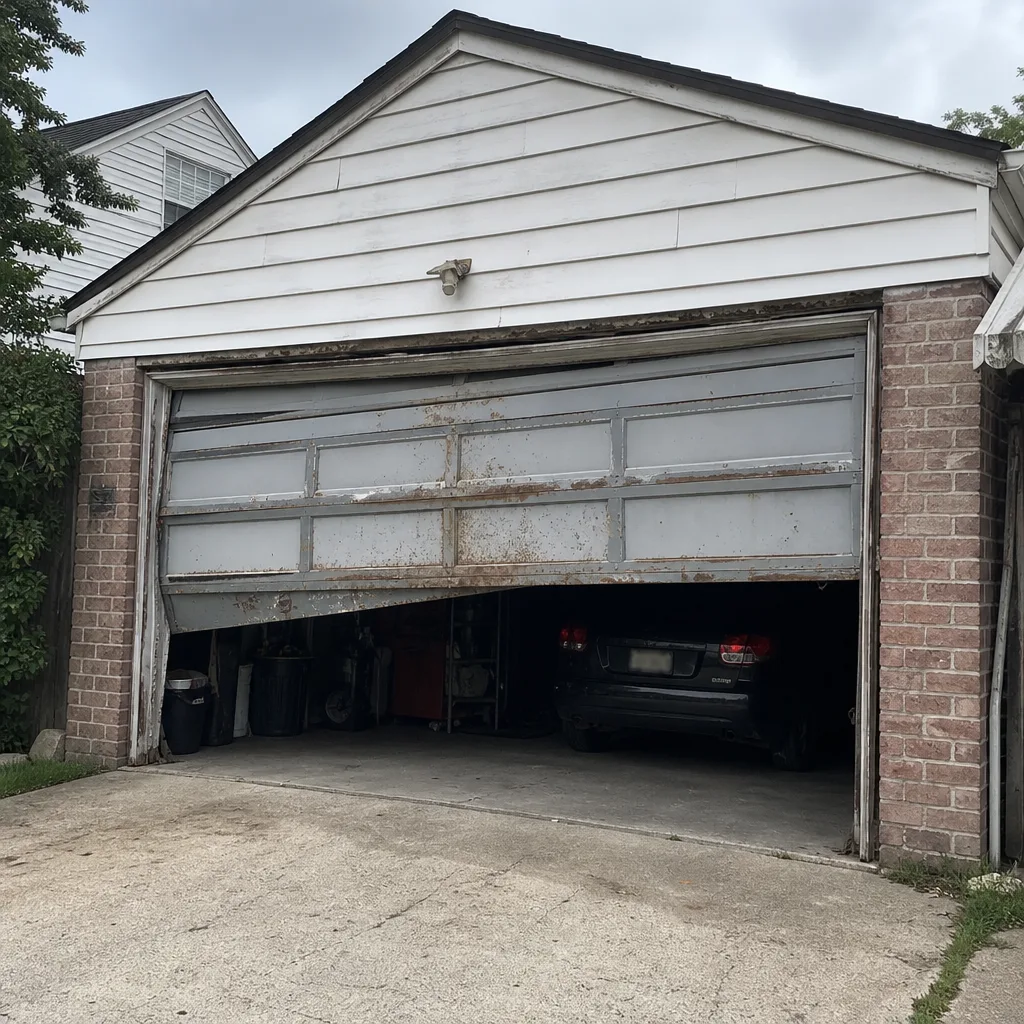
See the difference
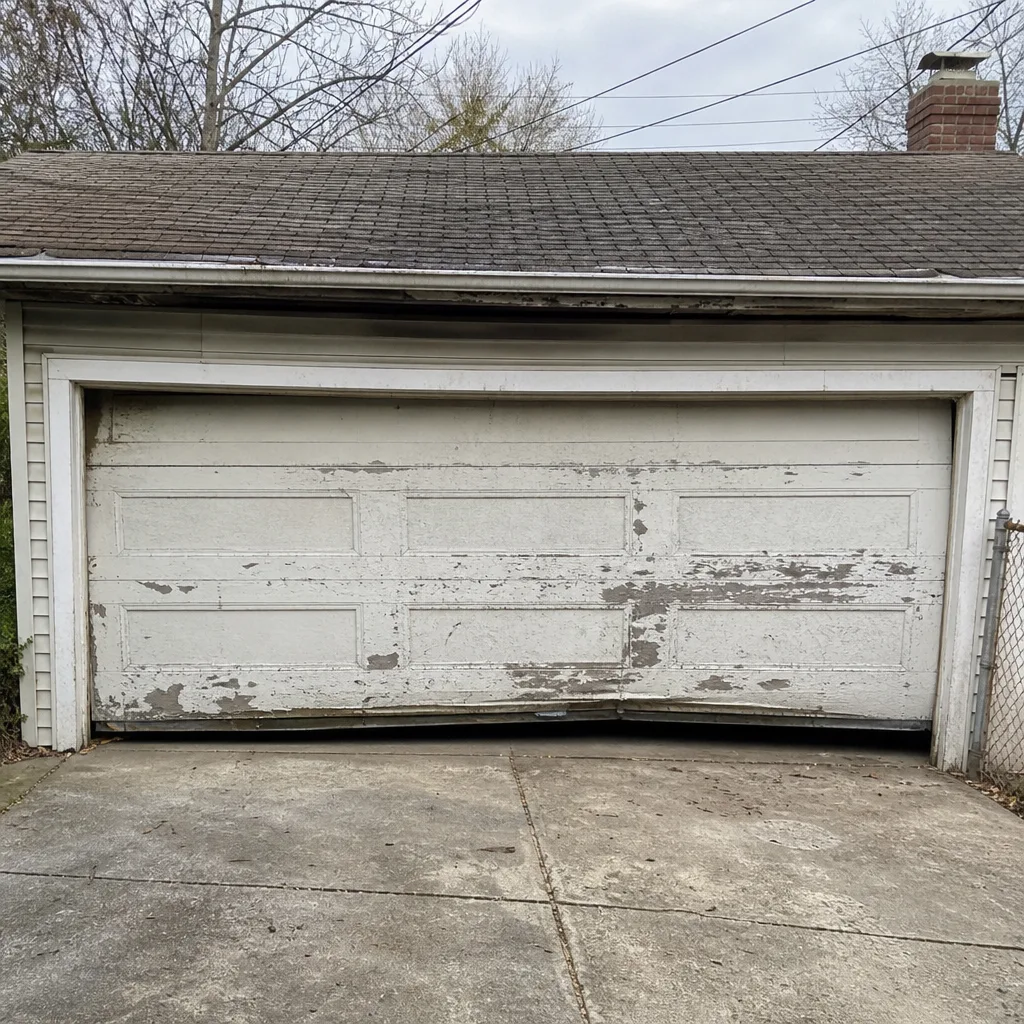 Before
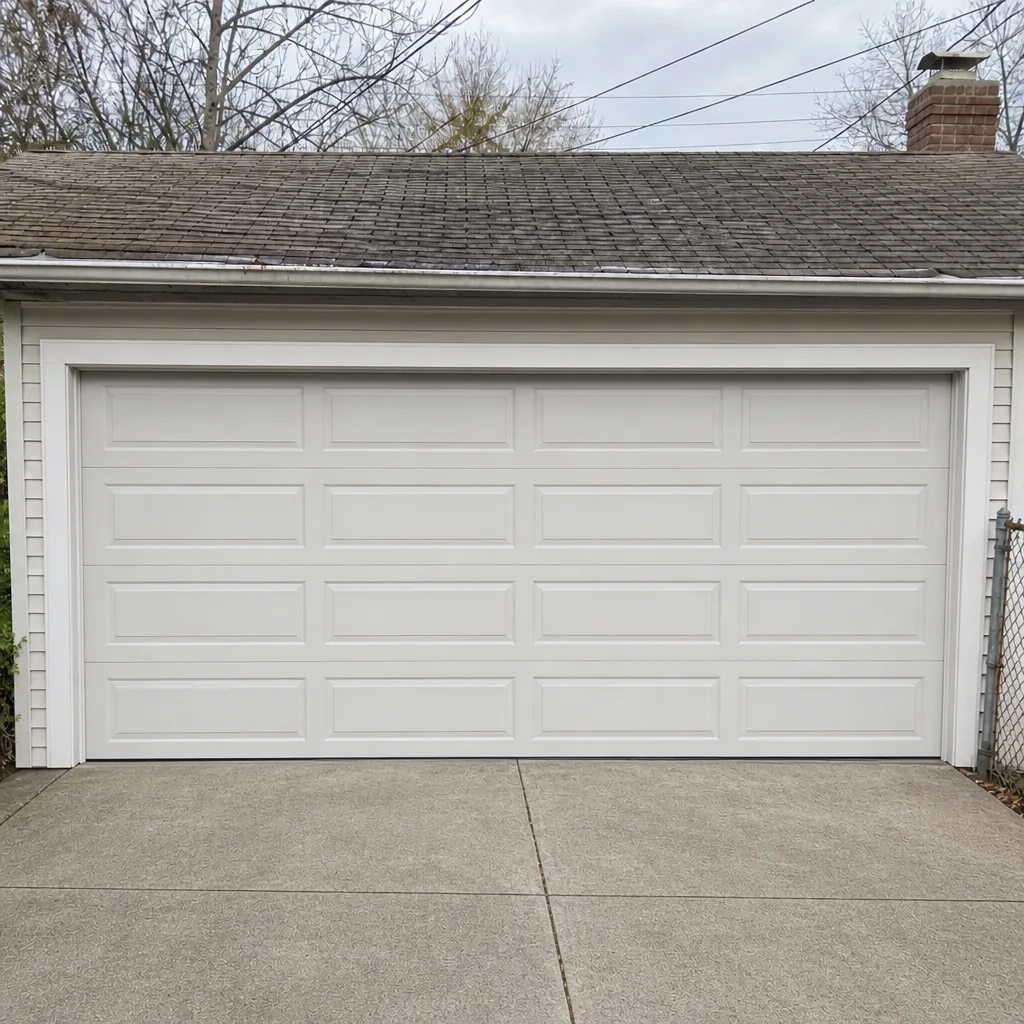 After
 Before
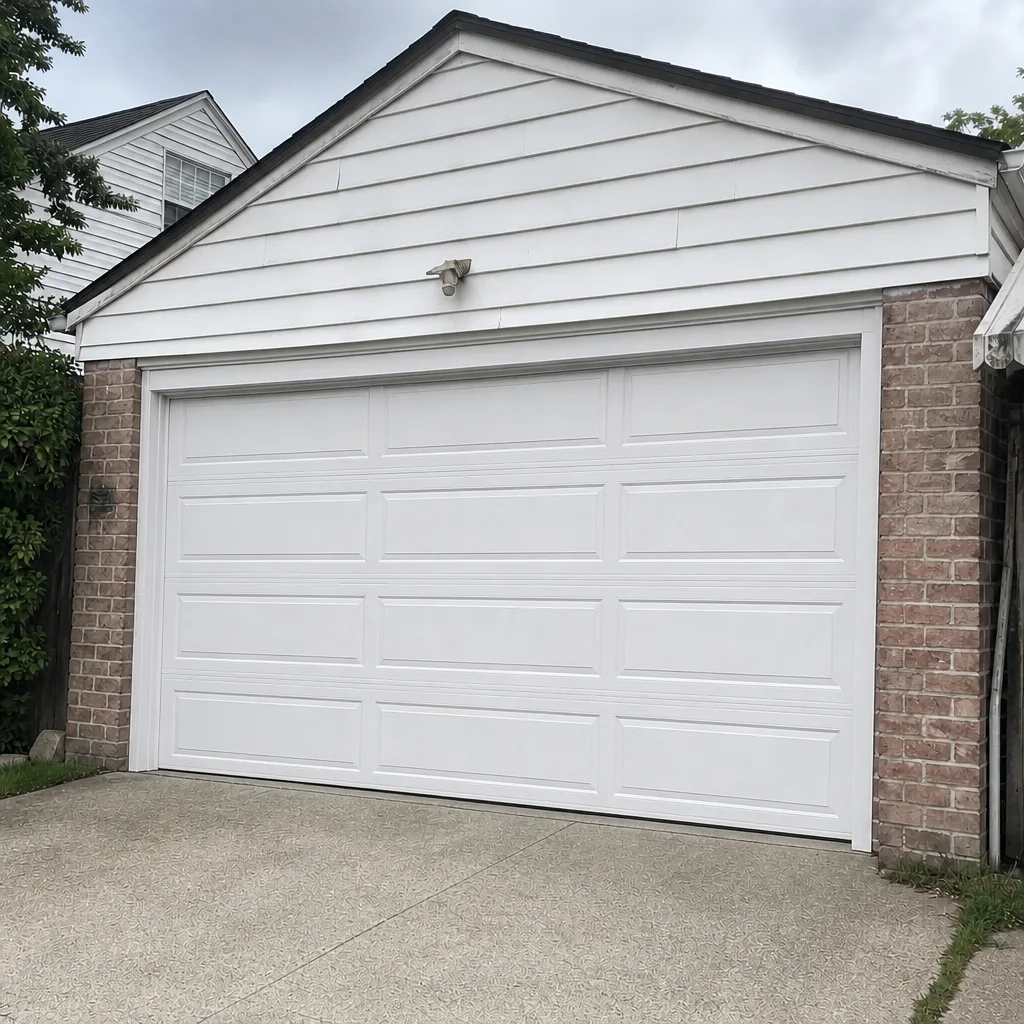 After
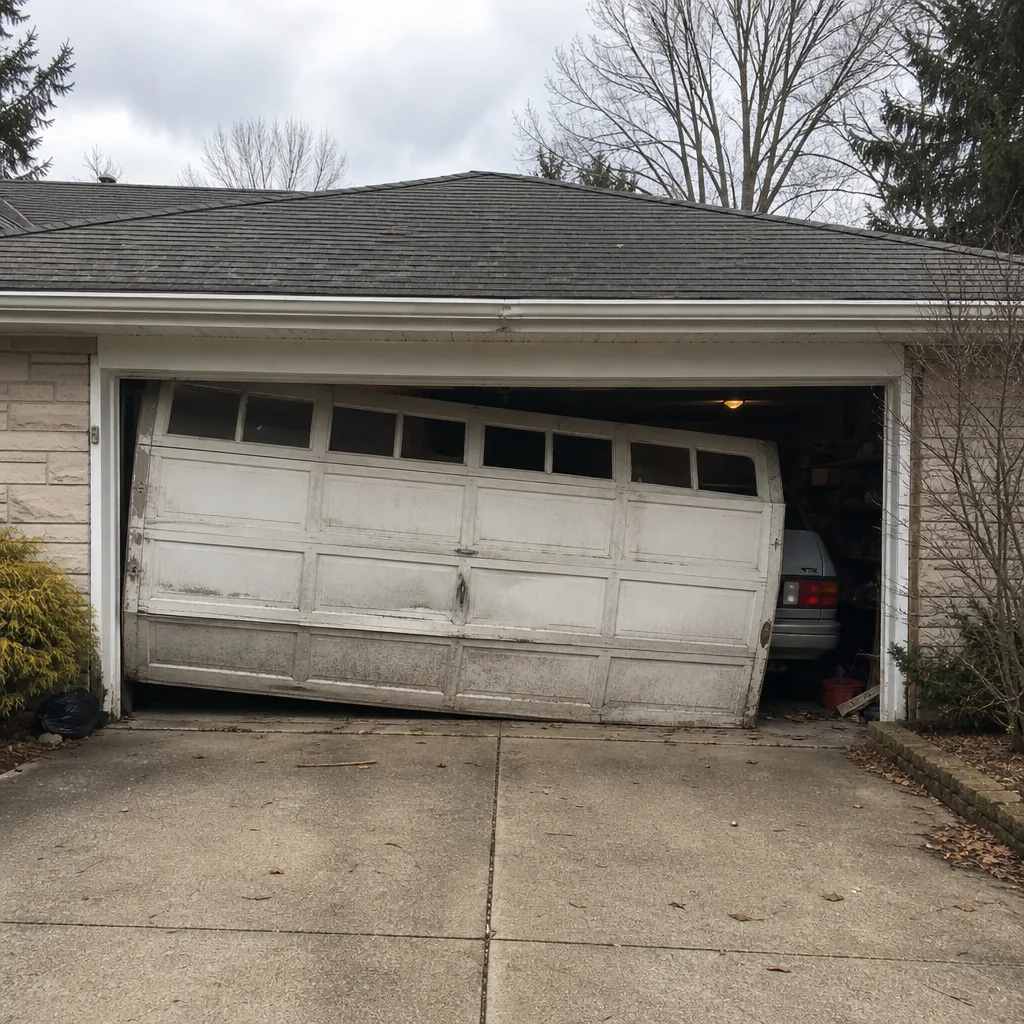 Before
 After