
Last updated November 21, 2026
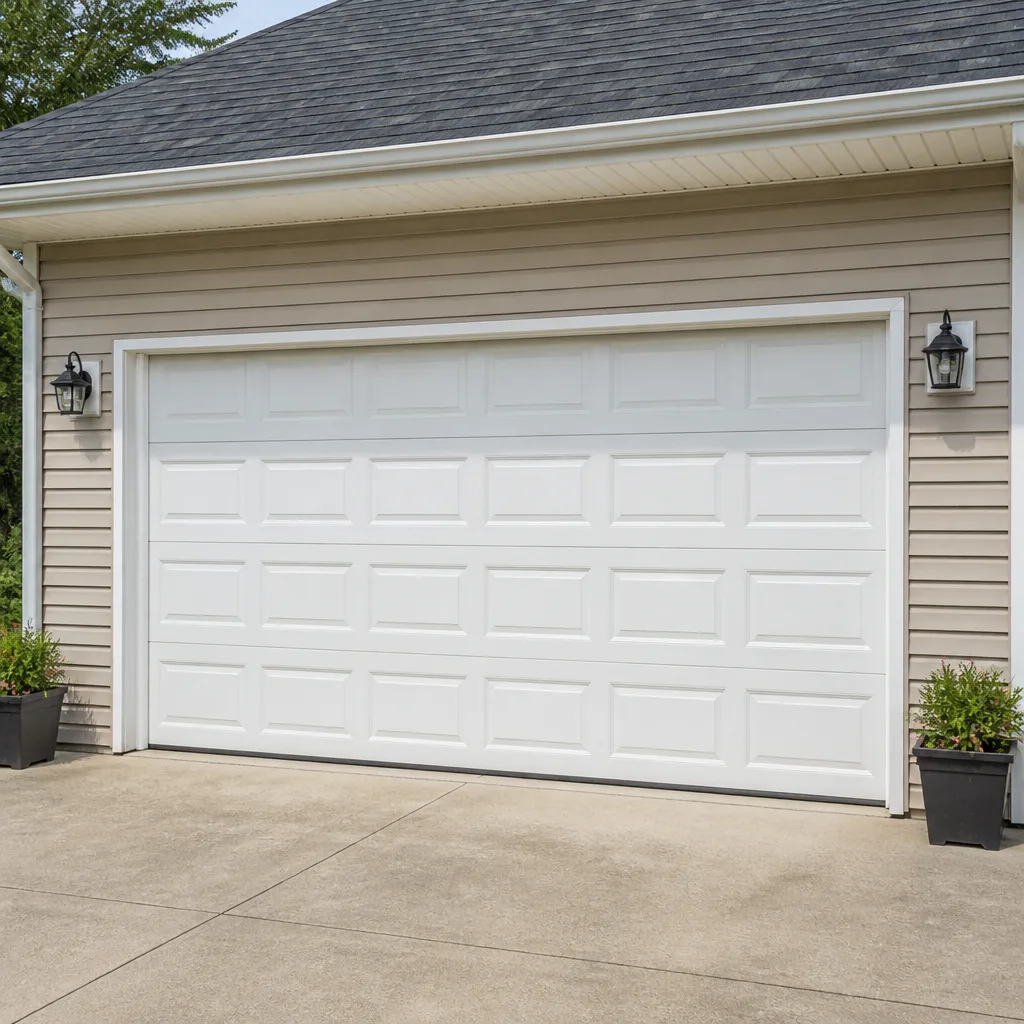 Raised-panel steel
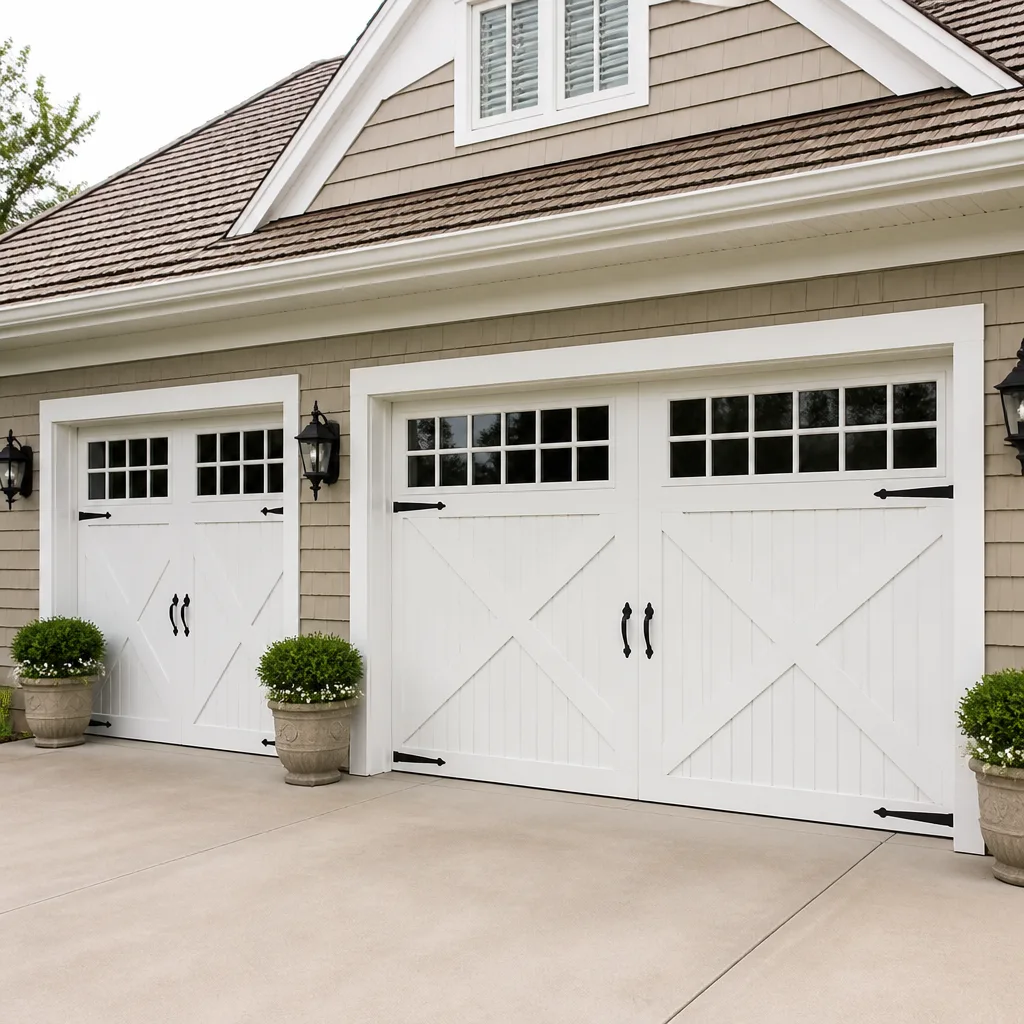 Carriage house
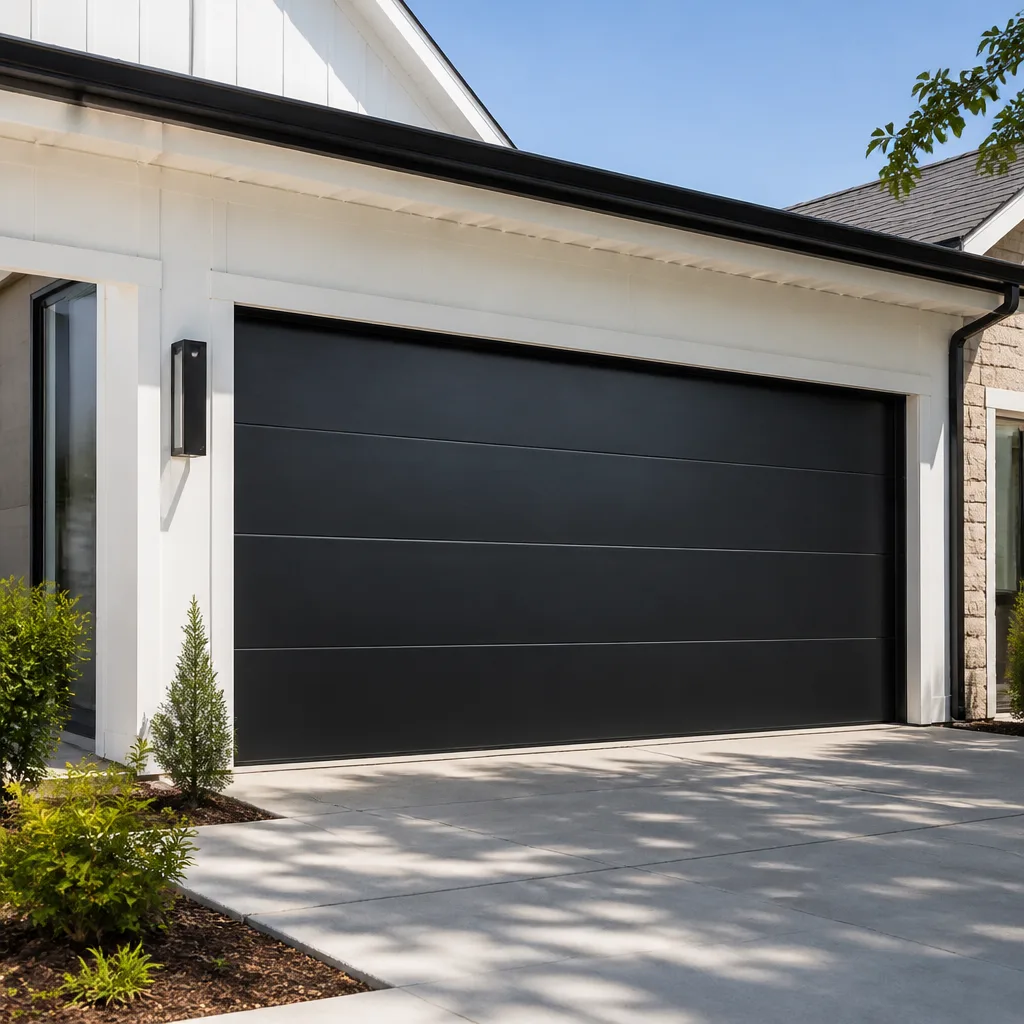 Modern flush
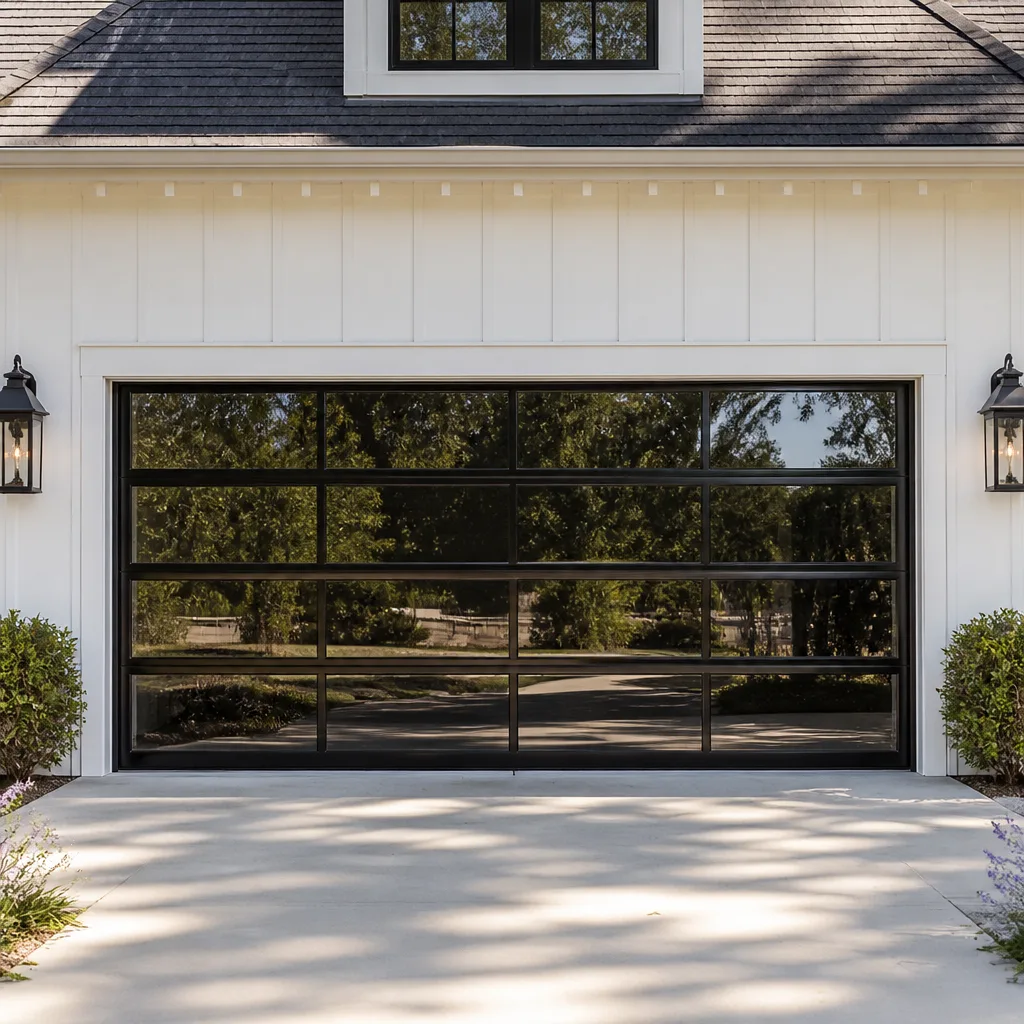 Full-view glass
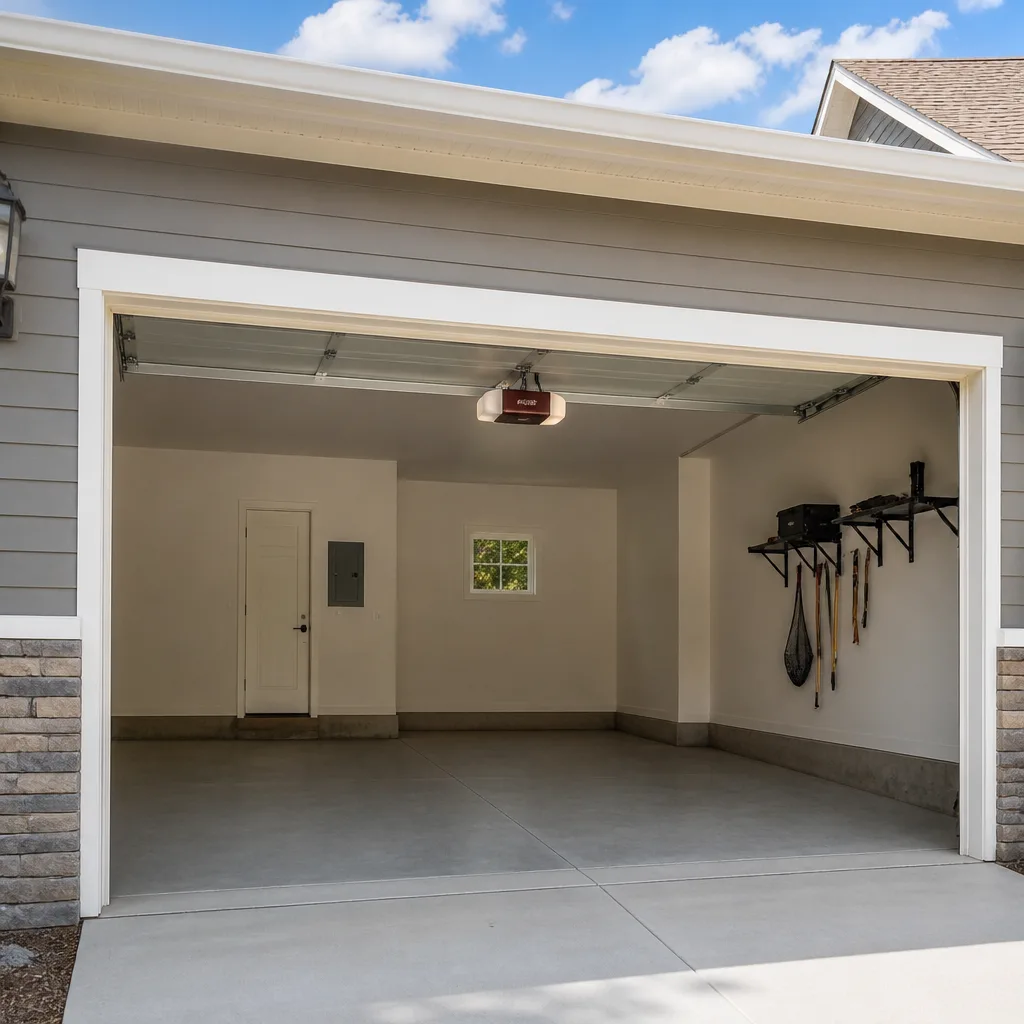 LiftMaster openers
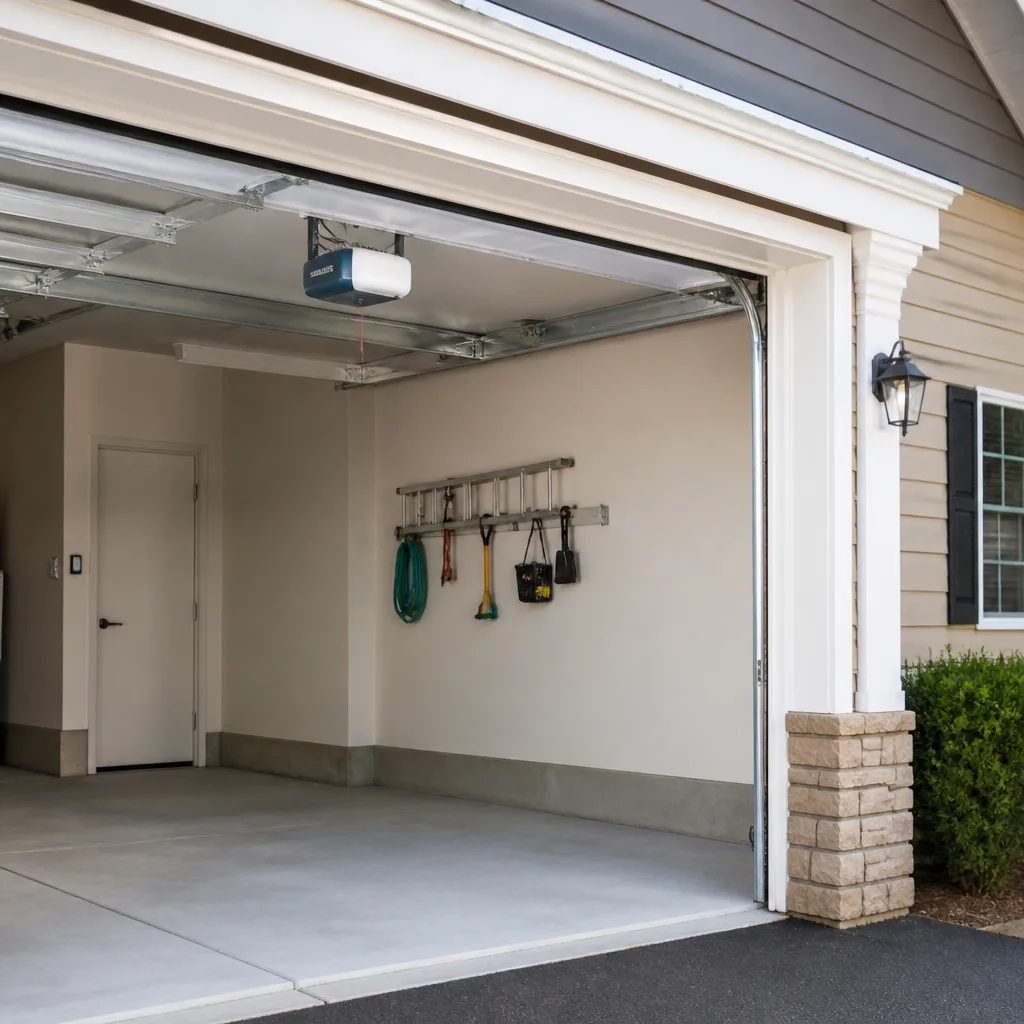 Chamberlain openers
Full 25-point door and opener safety check with every visit - springs, cables, rollers, tracks, and your LiftMaster or Chamberlain opener included
You get a price before we start. It does not change when the pro arrives.
Get your free estimateThe Complete Guide to Garage Doors in Woodside
Most garage door problems in Woodside aren’t really about the door. They’re about the building it’s attached to. Woodside is a neighborhood of attached and semi-attached row homes, and most of these garages sit close to the curb with a narrow driveway and a shared wall on at least one side. That means the clearance numbers on a spec sheet matter more here than any showroom photo. A unit that works fine in a detached suburban garage can fail in a Woodside garage because the ceiling is too low, the side room is too tight, or the door has nowhere to swing. In this guide we cover how the local housing stock affects door and opener choices, what the Queens permit picture looks like, why steel holds up better than wood here, which brands technicians actually service in 11377, and what this work typically costs in Woodside. If you’ve been guessing at any of that, this should settle it.
Quick Answer
Garage doors in Woodside need to be sized and specified for row-home and semi-attached construction, not for a generic suburban garage. Clearance for headroom, side room and door swing comes first, then the opener, then the panel material. Steel is the practical default in Woodside because of summer humidity and mostly unshaded driveways, and brand choice should be limited to manufacturers a local technician can actually service. A typical repair or replacement in Woodside runs from about $150 for a minor adjustment to $3,500 or more for a full new door and opener, with the written estimate setting the final price.
Styles & brands we work with
- Raised-panel steel
- Carriage house
- Modern flush
- Full-view glass
- LiftMaster openers
- Chamberlain openers
Table of Contents
- How Woodside’s Building Type Shapes Your Garage Door
- Clearance Numbers You Need Before You Buy
- Permits and Queens Community Board 2
- Why Steel Doors Dominate Woodside
- Brand Availability and Service Coverage in 11377
- Choosing an Opener That Fits Your Door and Ceiling
- What Garage Door Work Costs in Woodside
- What to Check and When
How Woodside’s Building Type Shapes Your Garage Door
Walk down almost any residential block in Woodside and the pattern is the same: narrow lots, houses sharing walls, driveways measured in feet rather than car widths, and a garage tucked under or behind the living space. That physical layout drives nearly every decision about a garage door. In a detached house you can often change the opening size, add framing, or move a track. In an attached row home, the garage opening is cut into a load-bearing wall and the ceiling above it is usually the floor of a room. You work with what’s there.
The practical consequences:
- Shallow garages are common. Many Woodside garages are barely deep enough for a car plus a foot at each end. A sectional door that needs 14 to 18 inches of headroom behind the opening may not have it, which pushes you toward a track configuration with a low-headroom kit or a different door type.
- Side room is tight. The distance from the door opening to the nearest side wall or return often falls below the 3.5 inches most torsion systems and many track brackets want. A low-clearance system with a rear-mounted torsion bar solves this, but it has to be planned, not added later.
- Shared walls carry sound and vibration. A badly balanced door or a worn opener shakes the whole party wall. That’s usually a sign of a spring or balance problem, not a reason to buy a new door.
- Driveways slope. A grade that rises toward the opening changes how the bottom seal contacts the floor and how an opener’s travel limits need to be set.
These are the constraints that make Woodside garages different from a template. Any guide that starts with door styles instead of clearances is skipping the step that decides whether the door will actually work. Before a single panel is ordered, we check headroom, side room, ceiling structure and driveway grade. Whatever you own, our Garage Door Repair Woodside service starts there.
Clearance Numbers You Need Before You Buy
The three numbers that decide which door and opener will fit are headroom, side room and backroom. Measure them before you shop, because they eliminate most options faster than any style preference. Headroom is the distance from the top of the door opening to the ceiling. Side room is the distance from the edge of the opening to the nearest obstruction. Backroom is the horizontal distance from the opening to the back wall, which limits how far a sectional door can travel when it opens. A fourth number, the opening height and width, sets what door size you can order.
Here’s how to take the measurements yourself, carefully, standing on solid footing:
- Measure the opening. Width at the widest point and height at the tallest point, in inches. Include the trim, since the door has to fit the finished opening.
- Measure headroom. From the top of the opening straight up to the lowest obstruction overhead. In many Woodside row homes this is under 12 inches.
- Measure side room. From each side of the opening to the nearest wall, pipe or return. You need the smaller of the two numbers.
- Measure backroom. From the opening back into the garage to the rear wall. Under 10 feet usually means a low-clearance setup.
- Note the ceiling type. Flat, joisted or open. A joisted ceiling can sometimes accept a rear-mounted torsion bar; a flat finished ceiling often can’t.
- Check the driveway grade. Whether it rises, falls or is level at the opening.
Write those numbers down and bring them to any estimate. A technician can work from them to confirm which configuration fits before ordering. This is exactly the check we run on a garage door repair visit when a customer is deciding between fixing an existing opening and replacing the door. In Woodside, low headroom is the single most common constraint we run into, and it’s the one most often missed when someone buys an opener online.
Permits and Queens Community Board 2
Whether a garage door project needs a permit depends on what you’re changing. Swapping a door for one of the same size and type in the same opening is usually a straightforward replacement. Cutting a new opening, enlarging an existing one, changing the structural header, altering the garage’s use, or changing the footprint of the structure generally does need a permit and inspection through the New York City Department of Buildings. Woodside falls within Queens Community Board 2, and community boards are where local land-use questions and certain applications get reviewed, though the DOB is the agency that issues permits and conducts inspections.
The practical guidance is simple: ask the city’s building department what your specific project requires before ordering. Don’t rely on a contractor’s verbal assurance or an online forum. A door replacement done in kind rarely surprises anyone. A project that touches the header, the opening size or the wall almost always needs to be vetted first, and discovering that after the door is delivered is expensive.
When a Door Swap Triggers More Review
Three situations are worth a phone call to the DOB before you buy:
- You’re changing the opening dimensions, even by a few inches.
- You’re replacing a manually operated door with an electric one and adding new electrical work in the garage.
- You’re converting the garage to another use or enclosing it.
For a like-for-like replacement, the conversation is usually quick. Keep the written estimate and the door specification on hand in case the question comes up later, either at inspection or when the property changes hands.
Why Steel Doors Dominate Woodside
Steel outnumbers wood in Woodside garages by a wide margin, and the reasons are environmental rather than aesthetic. The neighborhood sits near the East River, where summer humidity is high for months, and most driveways have little or no shade during the day. Wood absorbs that moisture and releases it slowly. Over successive summers and winters, an untreated or poorly sealed wood door will swell, warp at the panel edges and start to delaminate. A wood door that’s properly primed, sealed and maintained can last a long time, but it asks for repainting every few years. In a Woodside row home where the garage door faces the street and gets the full afternoon sun, that repainting schedule is not optional.
Steel is the practical default here for several reasons:
- It doesn’t move with humidity. A steel panel will resist the seasonal swelling that wood shows.
- The finish holds up. Factory-applied finishes on steel doors typically outlast a field-painted wood finish in this climate.
- Insulation options are broader. A steel door with polyurethane or polystyrene insulation gives you a better barrier against summer heat and winter drafts.
- It’s lighter than solid wood. That matters when your opener and springs are sized to a specific door weight.
Wood still has a place. Some homeowners want the look to match a wood-sided house, and a properly finished wood door is a legitimate choice. If you go that route, plan on maintenance. Steel wins on durability and low upkeep in this climate, and the door weight affects spring and opener sizing, which is why material belongs in the same conversation as clearance and brand. Wayne Dalton and Clopay both make steel doors in the configurations that fit Woodside openings, and a technician can confirm what’s actually serviceable before you commit.
One caution on replacement: a new steel door usually weighs differently from the old one, so the springs have to be matched to the new panel’s weight. Keep that in mind when budgeting, because spring replacement is a separate line item and a safety-critical one.
Brand Availability and Service Coverage in 11377
A door or opener is only as good as the local support behind it. That’s the piece most buying guides skip. In the 11377 zip code and the blocks around it, a handful of brands are installed in the majority of homes and are therefore the ones technicians see every week. If you order a door or opener through a channel with no local service presence, you might save on the purchase and then discover that no one nearby is certified to diagnose the electronics, order the specific parts, or honor the warranty service. That’s a real risk, and it’s avoidable.
We work across eight names homeowners already own: LiftMaster, Chamberlain, Genie, Clopay, Amarr, Wayne Dalton, Craftsman and Raynor. The reason that list matters isn’t brand loyalty. It’s service coverage. LiftMaster and Chamberlain openers share a lot of parts and electronics, so knowing one makes the other straightforward. Genie has its own logic board and sensor setup. Craftsman units from older installs are common in Queens garages and still repairable. Raynor and Wayne Dalton doors have their own panel and track parts. When we service a brand we know, the diagnosis is faster and the part is easier to source.
What to Check Before You Order
- Confirm the brand and model number of any opener you’re considering.
- Ask whether a local technician can service that model, including its safety sensors and any smart-home integration.
- Confirm the door’s spring and track parts are available for the size you need.
- Verify who handles warranty service locally if something fails.
- Get the fit confirmed against your clearance measurements before you order anything.
The safest path is to choose from the brands technicians already work on and to have the installation planned by someone who will also service it. When we handle a garage door installation, the brand choice is made with serviceability in mind, not just style.
Choosing an Opener That Fits Your Door and Ceiling
Openers fail for predictable reasons, and the fit is the biggest one. A chain-drive opener hung on a ceiling that’s too low in a Woodside row home stresses the rail, the door and the mounting. A belt-drive unit performs well in tight ceilings but is a poor match for a very heavy solid wood door. A jackshaft opener mounts on the side wall and needs side room that many Woodside garages don’t have. Before any of that, the opener has to be matched to your door’s weight, your headroom and your power situation.
The main configurations you’ll encounter:
- Chain drive. The standard fit for most garages. It’s durable and handles heavier doors, but it’s the loudest option, which matters in an attached row home.
- Belt drive. Quieter, smoother, and a better neighbor in a shared-wall house. Good for standard doors with ample headroom.
- Jackshaft (side mount). Puts the drive unit on the side wall so it doesn’t eat headroom. Requires side room and a torsion system, so it’s often the answer for low-ceiling Woodside garages.
- Screw drive. Rare, but still out there in older installs. Reliable when maintained.
The opener’s safety system also matters. Reverse and photo-eye sensors have to be tested after any adjustment, and a sensor that’s been bumped or misaligned will stop the door from closing. That’s a common reason a working garage suddenly stops responding. A diagnostic on a garage door opener repair visit starts with the sensors, the door balance and the travel limits, then moves to the electronics. If the door isn’t balanced, no opener is going to run right, so a knowledgeable technician checks the springs and balance before replacing a motor.
What Garage Door Work Costs in Woodside
Woodside labor rates run higher than national averages because of local demand, building access and the fact that row-home garages take more careful measurement than a detached house. The table below reflects typical ranges for work in this neighborhood; the written estimate sets the final price, since the actual configuration, door size and condition of the existing framing vary from job to job. Every price is quoted and agreed before any work starts.
| Work | Typical Estimated Range |
|---|---|
| Service call and diagnosis | Free with estimate |
| Spring replacement (one torsion spring) | $180 – $340 |
| Spring replacement (matched pair) | $360 – $680 |
| Cable, roller or track repair (per unit) | $150 – $400 |
| Opener repair (sensor, travel, gear, board) | $170 – $400 |
| New opener installed (supply and labor) | $380 – $900 |
| Panel replacement (single panel) | $250 – $600 |
| New single steel door, installed | $950 – $2,200 |
| New double steel door, installed | $1,600 – $3,500 |
| Opener plus new door (bundled) | Ask for an itemized estimate |
Two things drive the number. The first is whether the springs are a single or a matched pair – most doors use a pair and both get replaced at once, so a “spring repair” quote that only covers one should be treated with suspicion. The second is whether the existing framing and track can be reused. In a row home with an old opening, sometimes they can, and sometimes the track needs to be replaced to fit a new door weight.
None of these numbers are exact for your job. A written estimate after the technician has measured your opening, checked the balance and confirmed the door weight is the only price that counts. The estimate is free, and the price agreed before work starts is what you pay when it’s done. For a repair on an existing door that’s the fastest place to start; for a replacement, the measure and written price come first.
What to Check and When
Most garage door failures could have been caught early. The checks are simple and take a few minutes a month, standing outside the door, with nothing under it and nothing in its path. If the door doesn’t move smoothly, stops partway, or makes a loud snap or bang, stop using it and call a technician. The spring is usually the culprit, and a torsion spring under load is dangerous to touch.
Monthly, with the door closed and unpowered:
- Look at the springs. Torsion springs run along the bar above the opening; extension springs run alongside the track. Look for gaps, kinks or a stretched coil. Don’t touch them. If you see one broken, call a professional.
- Test the balance. Disconnect the opener and lift the door halfway. It should stay put. If it drops or rises on its own, the springs or cables need attention.
- Check the rollers and hinges. Loose bolts and worn rollers are cheap to fix and cause most squeaks and wobble.
- Look at the weather seal. Cracks along the bottom seal let water and air in; a bent track shows up as a door that binds at one side.
- Test the safety sensors. With the opener engaged, block the photo-eye beam while the door is closing. It should reverse immediately.
What you should never do yourself: replace a torsion spring, adjust a cable, or attempt to realign a track that has bent under load. Those are the jobs that send people to the emergency room. Spring repair is a job for a trained hand with the right tools and the door secured. We treat it as a specialty, and it’s a big part of what we do.
Common Mistakes to Avoid
- Buying an opener before measuring clearances. A unit ordered online without the headroom and side-room numbers confirmed can be the wrong fit for a Woodside row-home garage, and returning an installed opener usually costs more than getting the right one in the first place.
- Ignoring a snapped spring. A broken spring means the opener is pulling the full weight of the door. Continuing to use it burns out the opener and risks a door that slams shut. The fix is a spring, not a new opener.
- Mixing a heavy new door with the old opener and springs. A new steel door with insulation can weigh significantly more than the old panel. The springs and opener have to match the new weight, or the door will strain the opener from day one.
- Choosing a brand you can’t get serviced locally. A door or opener with no local parts or service in 11377 means a minor failure can take weeks to resolve. Check service coverage before you buy.
- Skipping the permit question. A replacement in kind usually needs no permit. Changing the opening size, header or garage use generally does. Ask the city’s building department before ordering.
- Assuming wood is fine without maintenance. Wood doors in this humidity need repainting every few years. Plan for it, or choose steel.
- Trying to fix a torsion spring yourself. This is a genuinely dangerous job and the wrong place to save money. Call a trained technician.
See the difference
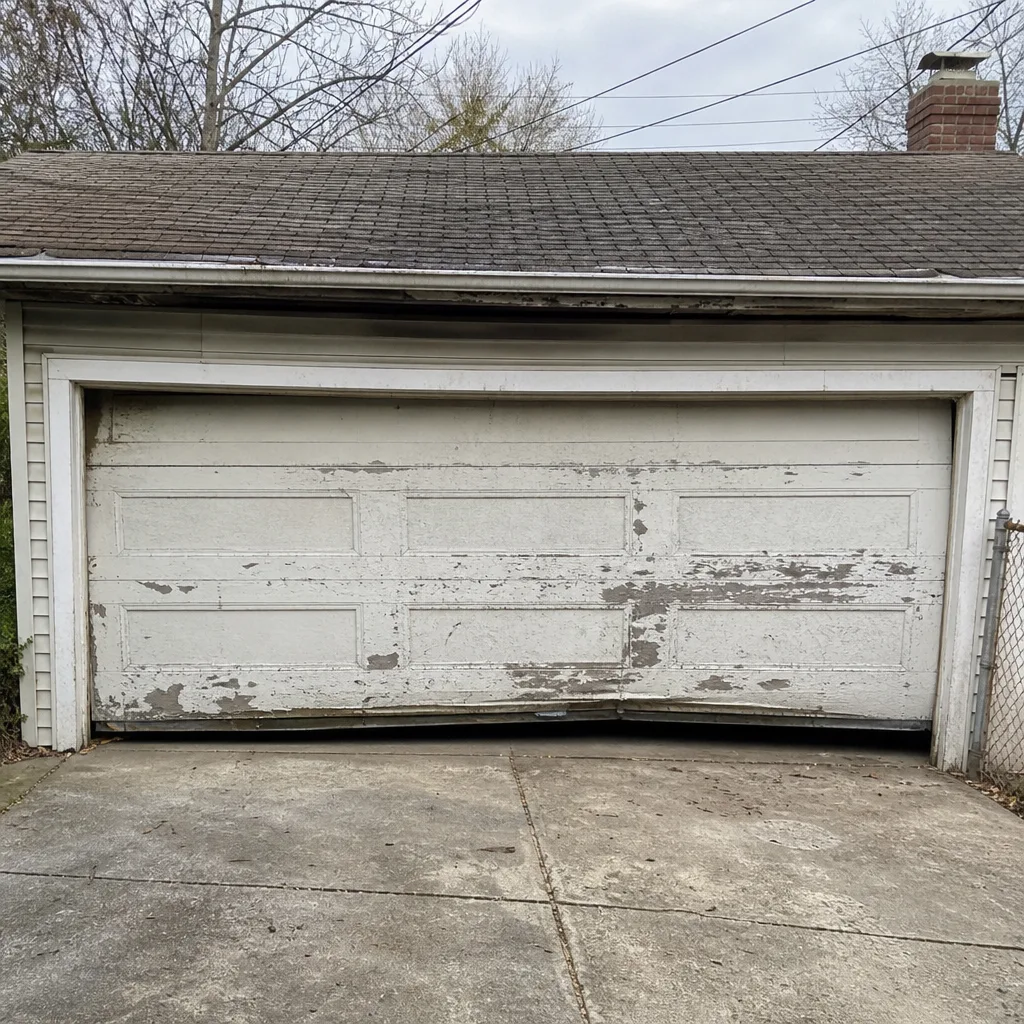 Before
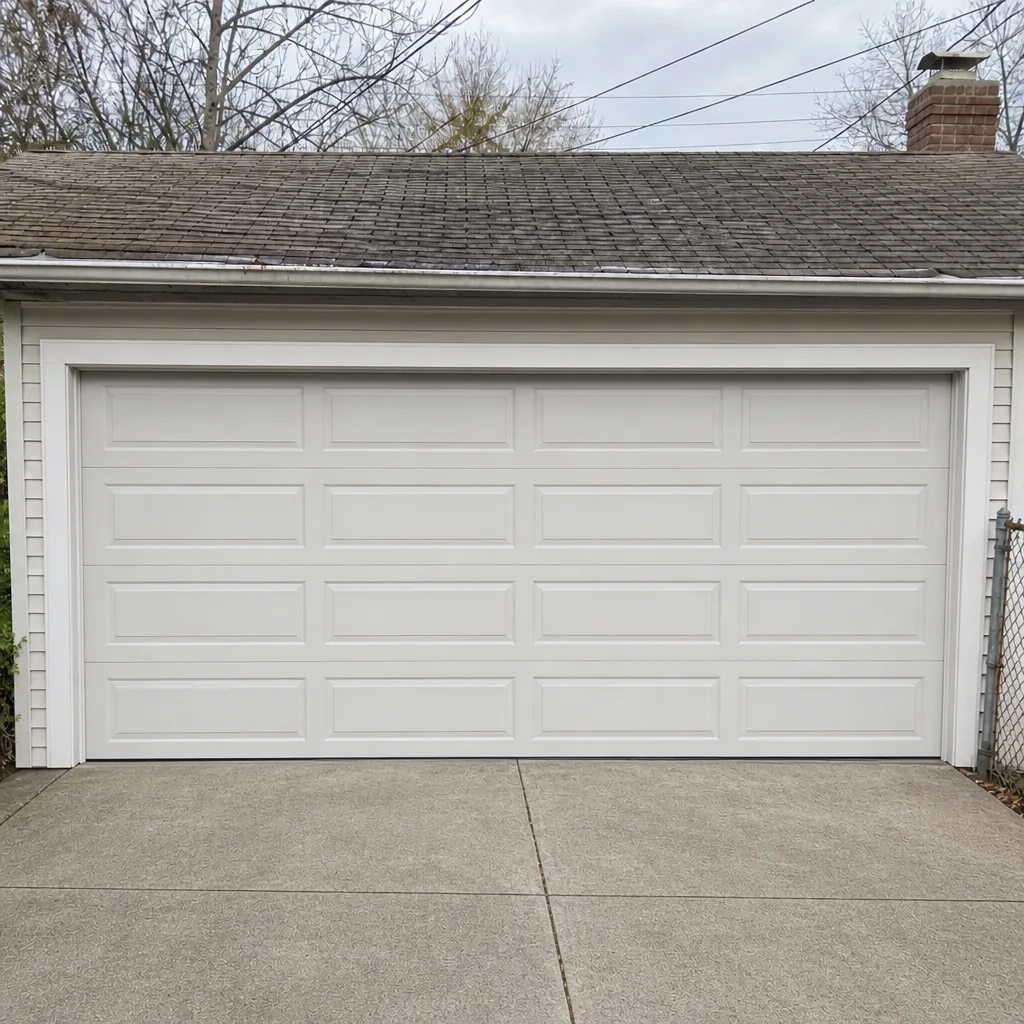 After
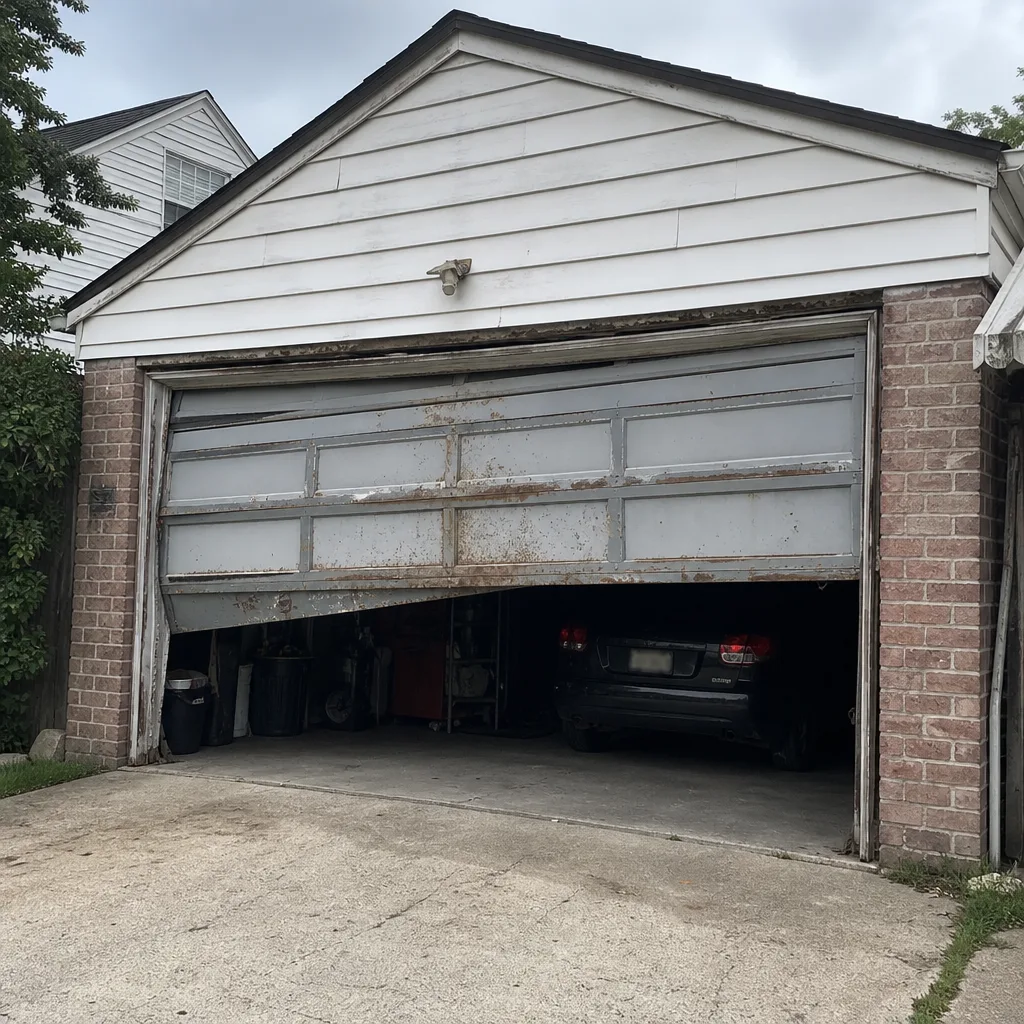 Before
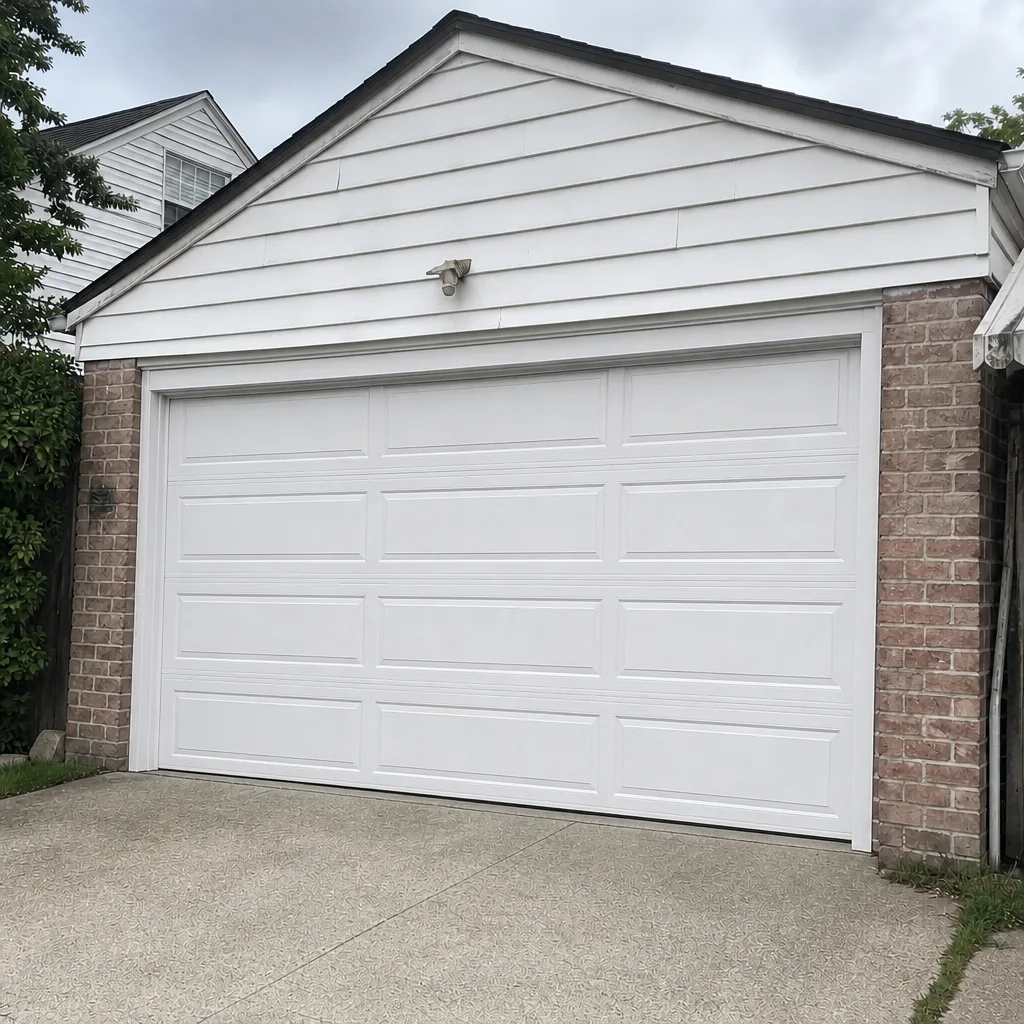 After
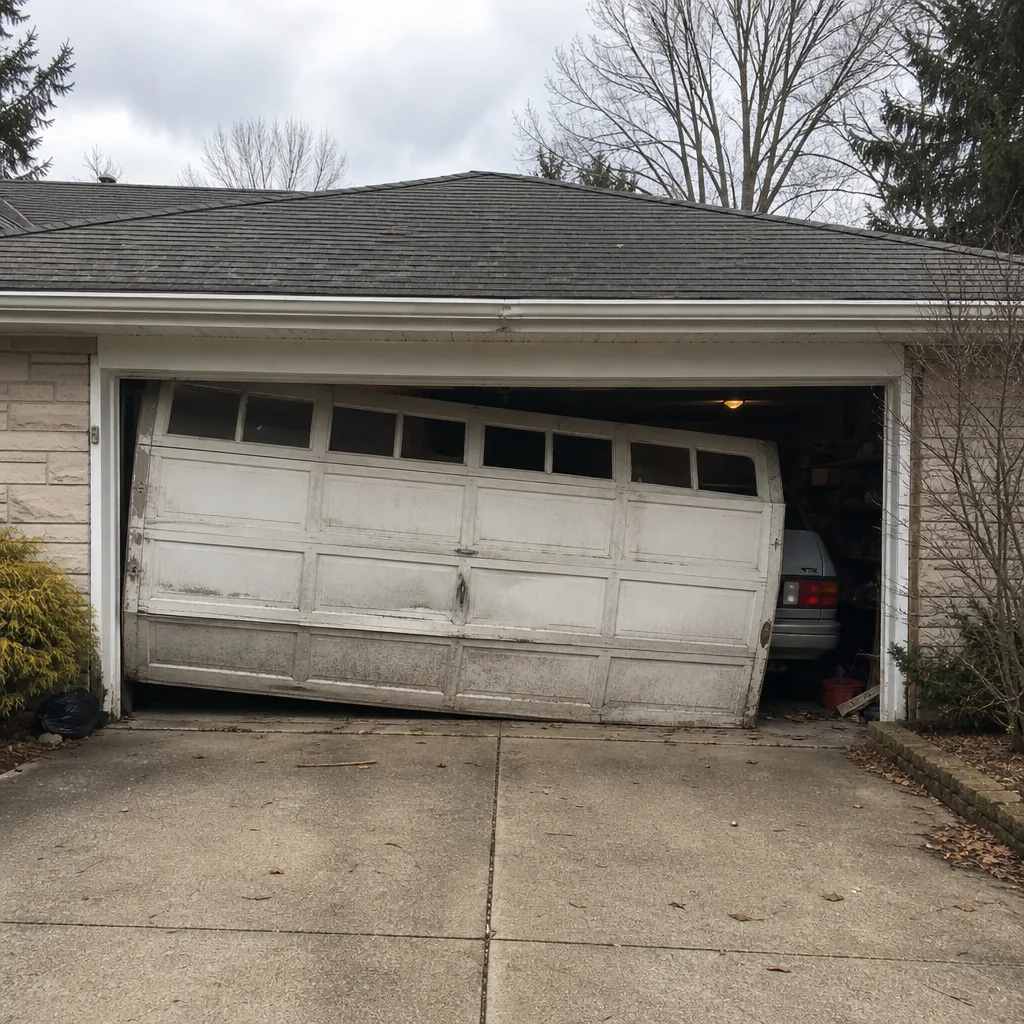 Before
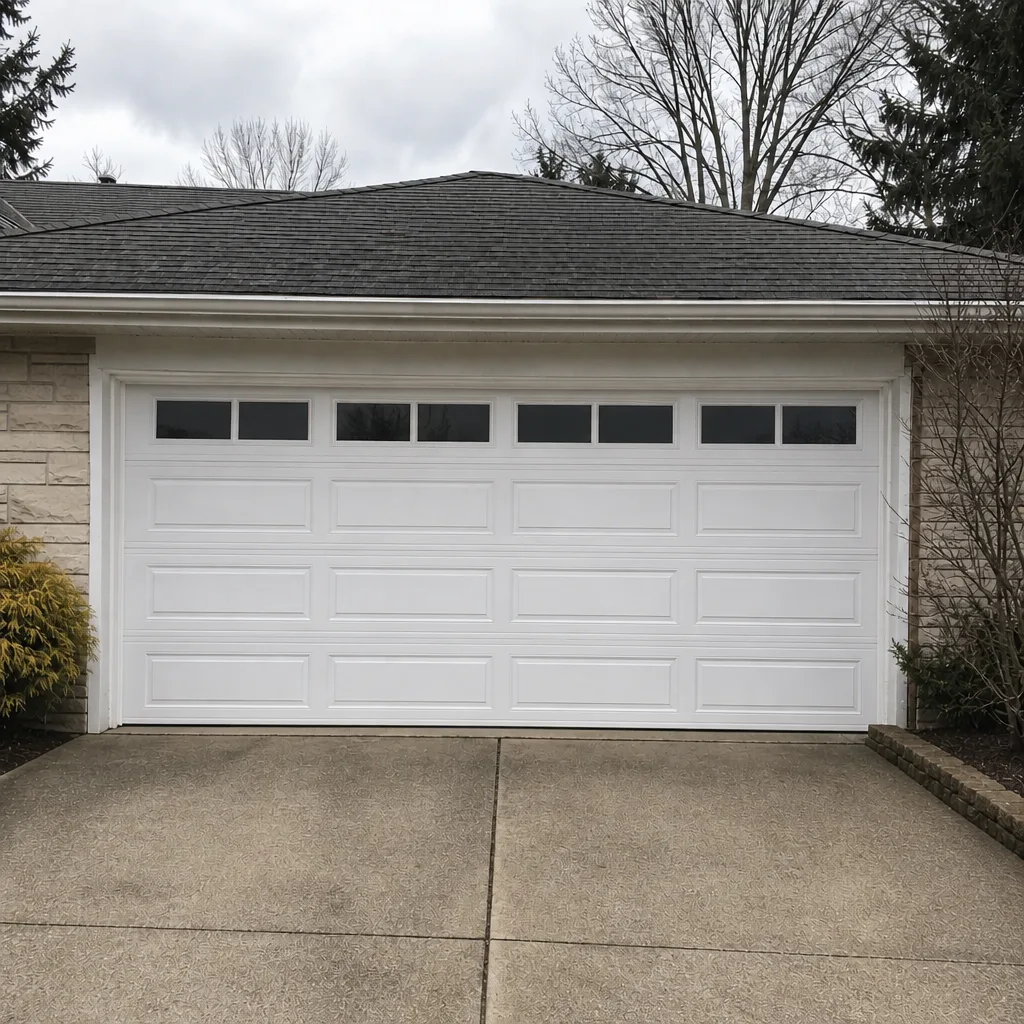 After
When to Call a Professional
Some garage door problems are cosmetic and can wait. These can’t. Call when the door has a broken torsion or extension spring, when it hangs crooked or off its track, when the opener runs but the door doesn’t move, when the door reverses or stops for no clear reason, when the cables are slack or frayed, or when any loud snap or bang has come from the door. Also call before ordering a new door or opener, so the fit is confirmed against your actual opening. Garage Door Repair Woodside offers free estimates in Woodside with a written price agreed before work starts. Call (855) 532-1370. We answer 24/7. Fast dispatch from 7am to 7pm, Sunday through Friday. Our technicians have up to 9 years of experience, and we work on the brands already in your garage.
Frequently Asked Questions
Typical garage door repairs in Woodside run from about $150 for a minor roller or track fix to $680 for a matched pair of torsion springs. Opener repairs generally land between $170 and $400, and a new single steel door installed runs $950 to $2,200. The written estimate is the final price, and it’s given before any work starts. Call (855) 532-1370 for an exact quote – estimates are free.
Yes, in most cases we can get a broken door back in service the same day. We answer the phone 24/7 and dispatch from 7am to 7pm, Sunday through Friday. A call outside those dispatch hours is booked into the next opening, Sunday through Friday, 7am to 7pm. Call (855) 532-1370 to check availability for your door.
No. The price is quoted and agreed before any work starts, and the written estimate is what you pay. What can change the scope is a hidden problem – a bent track, a damaged header, a heavier door than expected – but that gets discussed and re-quoted before anyone proceeds. We won’t surprise you with a bigger invoice. Call (855) 532-1370 for a free estimate.
The local professionals we connect you with are licensed and insured as their state requires. We work with technicians who handle spring repair, opener repair and full installations, and we service eight major brands including LiftMaster, Chamberlain, Craftsman and Wayne Dalton. Call (855) 532-1370 to book an estimate.
A like-for-like replacement usually doesn’t need a permit, but changing the opening size, the header or the use of the garage generally does. Woodside is in Queens Community Board 2, and permit and inspection rules come from the New York City Department of Buildings. Ask the city’s building department about your specific project before ordering. Call (855) 532-1370 if you want the clearance and fit checked first.
A steel sectional door with insulation is usually the best fit for a Woodside row home. Steel handles the summer humidity better than wood, needs less upkeep, and comes in configurations that fit low-headroom garages. The right opener – often a belt drive or side-mount unit – matters as much as the door. Call (855) 532-1370 and we’ll measure your opening and confirm what fits.
The Bottom Line
Woodside garages are shaped by the buildings around them. Attached and semi-attached row homes mean tight headroom, narrow side room and driveways that sit close to the street. Start there, measure your clearances, and let the numbers decide which door and opener will actually work. Steel is the practical material in this climate, and brand choice should be limited to what a local technician can service in 11377. Get the permit question answered before you order. Expect repair costs to range from about $150 to $680 depending on the job, and a new door installed from roughly $950 to $3,500. Whatever the job, we can handle it – repair, springs, opener or installation – and the written estimate sets the price before work starts.
Call Garage Door Repair Woodside at (855) 532-1370 for a free estimate. We answer 24/7. Fast dispatch from 7am to 7pm, Sunday through Friday.
Written by the team at Garage Door Repair Woodside.